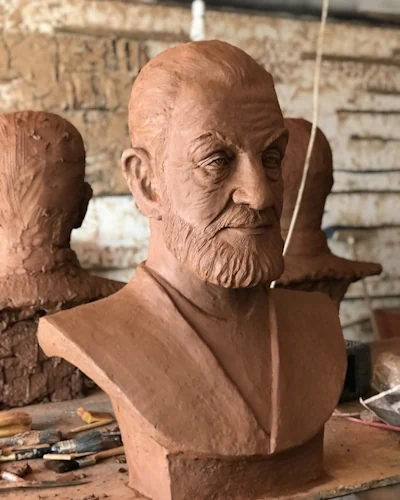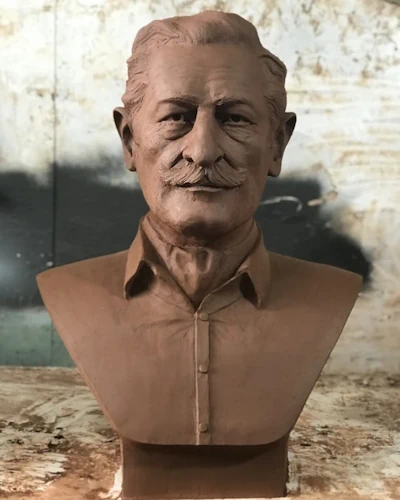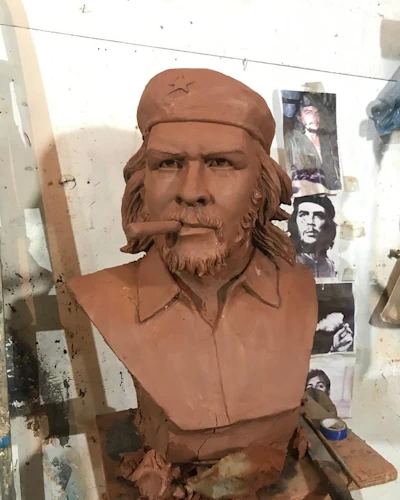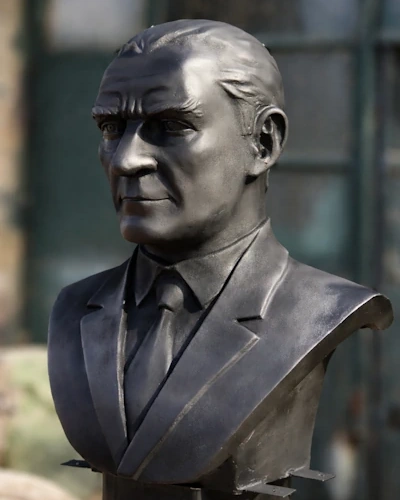
Haile Selassie Statue - Ethiopia Addis Ababa
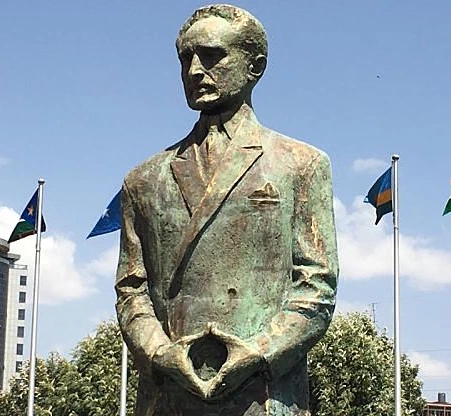
In Addis Ababa, the capital of Ethiopia—situated on the high plateau known as the "Roof of Africa" and at the heart of the only major African nation never to be fully colonized—stands the monument of one of world history’s most charismatic and complex leaders: Haile Selassie. Having ruled Ethiopia for decades, Selassie challenged imperialism from the podium of the League of Nations and evolved into the central sacred figure of the Rastafari movement. Today, he remains one of the most multi-layered historical figures of the continent, and his statue in Addis Ababa serves as a powerful symbol etched into the city’s fabric.
Who is Haile Selassie: Life and Legacy in Ethiopia
Haile Selassie was born in 1892 in the Ejersa Goro region of Ethiopia as Ras Tafari Makonnen. He ascended the throne as Emperor in 1930. The 1935 invasion of Ethiopia by Italy became his most critical historical test. By personally appearing before the League of Nations to denounce the occupation, Selassie delivered a historic plea for collective security and the rights of small nations, establishing himself as a global icon of resistance.
After living in exile during the Italian occupation, Selassie returned to his throne following World War II. He played a pivotal role in founding the Organization of African Unity (OAU) and established Addis Ababa as its headquarters, cementing his status as a titan of Pan-Africanism. Simultaneously, the Rastafari movement in Jamaica recognized him as a messianic figure, transforming him into a global cultural icon. Though his reign ended with a military coup in 1974, his influence remains a cornerstone of African history.
Strategic Location: The Diplomatic Heart of Addis Ababa
The Haile Selassie Statue is strategically located in a central district of Addis Ababa, standing in close proximity to the African Union Headquarters. This positioning creates a symbolic dialogue with his Pan-African vision. As the diplomatic capital of Africa, Addis Ababa hosts the continent's most significant international summits, and within this cosmopolitan atmosphere, the statue represents both national pride and continental unity.
As one of the highest capital cities in the world, Addis Ababa offers a unique geographical backdrop. The monument serves not only as a national landmark but also as a site of profound cultural and spiritual significance for global visitors.
Artistic Analysis: Imperial Symbolism and Monumental Design
From an artistic and technical perspective, the Haile Selassie statue is a masterful representation of Ethiopian monumental tradition:
- Imperial Regalia: Depicted in traditional imperial robes and royal symbols, the statue balances the dignity of the ancient Ethiopian monarchy with the authority of a modern statesman.
- Posture and Presence: The figure’s stance conveys a sense of wisdom and stoic authority, essential traits for a leader who navigated the complexities of 20th-century geopolitics.
- Material and Craftsmanship: The use of high-quality bronze casting ensures the monument’s longevity, mirroring the enduring nature of Selassie's historical impact.
- Industry Detail: For sculpture professionals, this work is a study in how traditional attire can be translated into bronze to maintain both cultural authenticity and monumental scale.
Global Tourism and Cultural Heritage Significance
Addis Ababa is a primary destination for global travelers, with the Haile Selassie Statue forming a crucial stop alongside the National Museum and the African Union Museum. For visitors interested in Ethiopian history and African independence movements, the statue offers an immersive historical experience. Furthermore, for members of the Rastafari faith traveling from Jamaica and the Caribbean, the monument serves as a sacred site of pilgrimage, highlighting the unique intersection of public art, history, and spiritual devotion.
Date Added: