What is relief technique, how to make paper ceramic reliefs
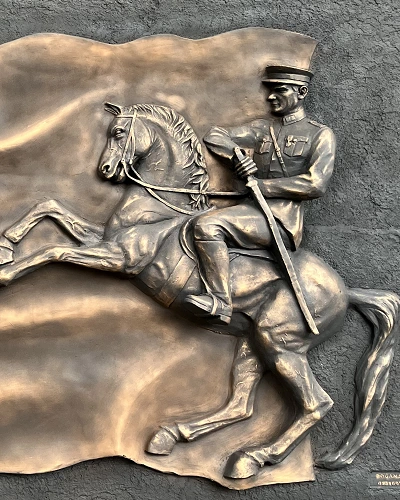
Relief technique is a deep-rooted sculptural method based on the principle of carving or embossing figures and forms onto a flat surface. Reliefs, one of humanity's oldest forms of artistic expression with thousands of years of history, are still widely used today in both artistic and architectural fields. It is possible to see traces of relief technique in many historical structures, from Ancient Egyptian temples to Roman triumphal arches.
Types of Relief
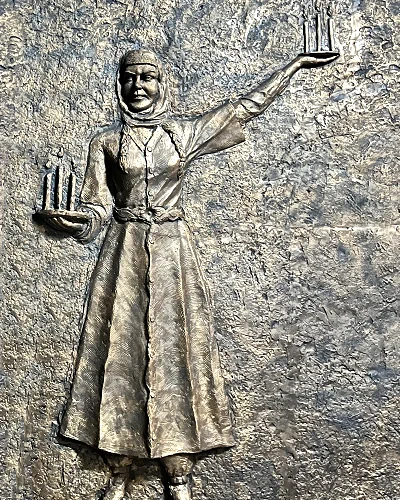
Bas-relief is the type in which figures are raised very slightly from the surface. It is commonly seen on coins and monumental inscriptions. Mid-relief is the type in which figures stand out more prominently and offer a strong play of light and shadow. High relief is the type in which more than half of the figures protrude from the surface, creating an almost fully three-dimensional statue effect. Finally, sunk relief is the type in which figures are carved into the surface and was widely used in Ancient Egyptian art.
Materials Used in Relief Making
Material selection in relief technique directly affects the appearance and durability of the work. Stone and marble are the most deep-rooted materials, producing works that stand for centuries. Bronze cast reliefs stand out with their durability and magnificent appearance, gaining a distinct aesthetic value with the patina they develop over time. Polyester and resin are ideal for those looking for more economical and lightweight solutions and are widely used in indoor applications.
Areas of Use of Relief
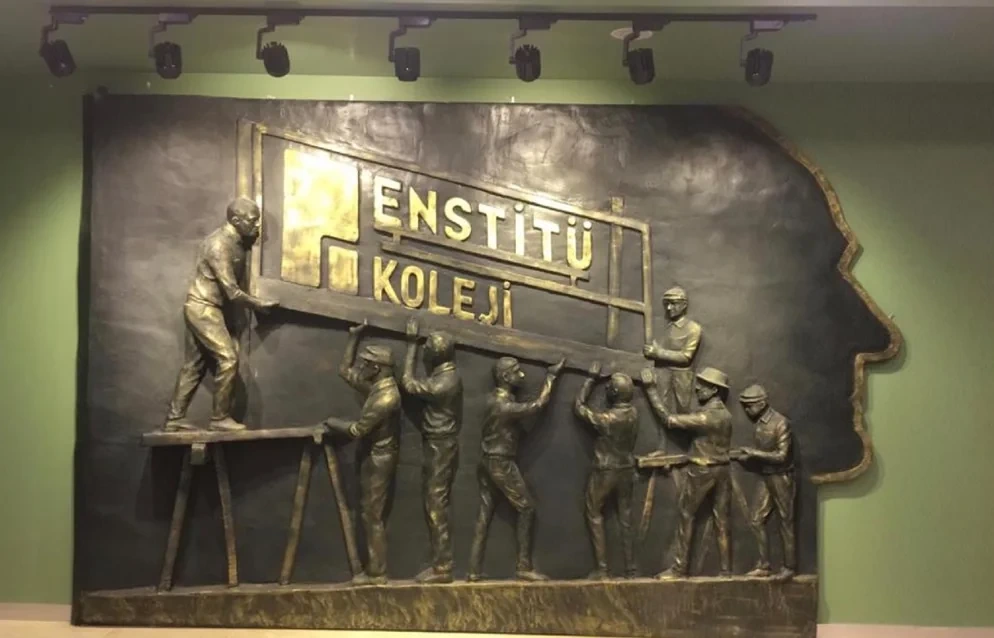
Relief technique is frequently used in architectural facade decorations, building entrances, monument walls, places of worship and corporate spaces. In recent years there has been a notable increase in custom relief orders for company entrances and lobby areas. Original relief works that symbolize a company's values or history add both prestige and identity to a space.
What You Need to Know Before Ordering a Relief
Those who want to have a relief made should first clarify where the work will be placed. Reliefs to be used outdoors must be made from materials resistant to moisture and weather conditions. Size and level of detail directly affect both the price and production time. Every project is unique and pricing varies depending on size, material and level of artistic detail. For this reason, rather than giving a fixed price, the most appropriate approach is to share your project details and receive a personalized quote.
You Are in the Right Place for Relief Orders
The most critical step in ordering a relief is working with the right sculptor or workshop. Reviewing previously completed works, checking references and evaluating whether the artist's style aligns with your vision is a good starting point. An experienced sculptor will guide your project from start to finish and turn the work you imagined into reality. If you would like to place a relief order, you can use the form below to get information and request a personalized price quote.
Relief technique is a well-established sculptural method based on carving figures or forms in raised projection from a flat surface. During the application process, the base material is first determined, then the design is transferred to the surface. Figures are projected forward at a certain height from the surface to create a sense of depth and movement. This technique, used for thousands of years from ancient Egyptian temples to Roman triumphal arches, continues to be widely used in architectural and artistic projects today.
In low relief, figures are raised very slightly from the surface and are commonly seen on coins and memorial inscriptions. In mid relief, figures project more prominently and create a strong play of light and shadow. In high relief, more than half of the figures project forward from the surface, creating a nearly fully three-dimensional sculptural effect. In sunken relief, figures are carved into the surface rather than raised; this type was widely used especially in ancient Egyptian art.
Material selection varies according to the area of use. For outdoor spaces, bronze casting is the most durable and long-lasting option, adding unique aesthetic value to the work with the patina it develops over time. Stone and marble are ideal for works that stand for centuries. For indoor spaces, polyester and resin offer both an economical and lightweight alternative. Since every project has different needs, material selection should be determined during the design phase considering size, location, and budget.
Reliefs are widely used in architectural facade decorations, building entrances, memorial walls, places of worship, and corporate spaces. Municipal buildings, cultural centers, schools, and museums are the most frequently preferred public areas. Company lobby areas and office entrances are also highly suitable spaces for relief applications. With the right choice of material, they can be used without any problems in both indoor and outdoor spaces for decades.
Yes, custom relief orders can be placed for corporate spaces. In recent years, there has been a notable increase in relief requests for company entrances and lobby areas. Original relief works that symbolize the institution's values, history, or vision add both prestige and identity to the space. During the design process, a composition specific to the institution's requests is developed; size, material, and level of detail are determined according to needs.
Experience and references are decisive criteria in choosing the right workshop. With over 20 years of experience and more than 600 completed works of art, heykel.org is among the leading names in this field. When making a selection, it is critically important to examine the workshop's previously completed works, review its references, and evaluate whether the artist's style aligns with your vision. An experienced sculptor guides the project from start to finish, turning the envisioned work into reality.