Female Sculpture Figure Price and Sales
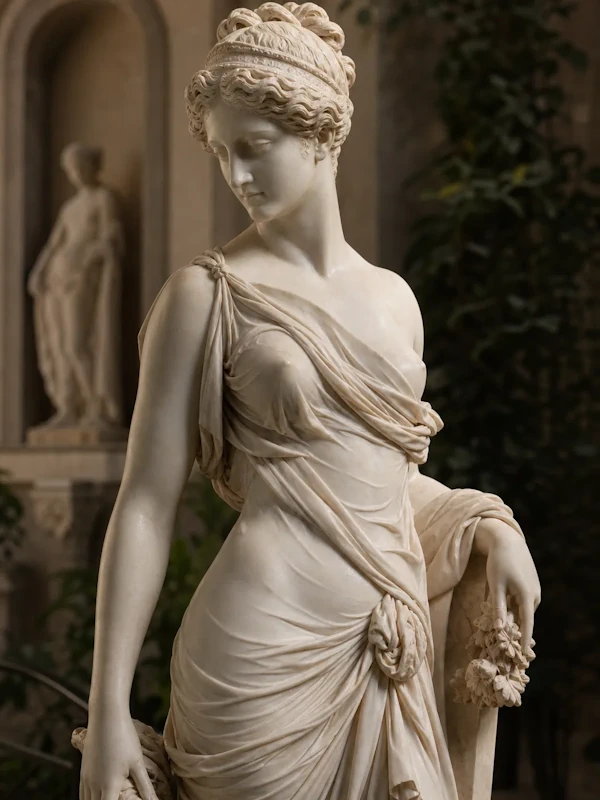
The female sculpture figure is one of the most deeply rooted and widely explored themes in art history. From ancient Greece to the Renaissance, and from there to contemporary sculpture, this tradition aims to preserve the aesthetic, symbolic and emotional power of the female form within stone, metal or synthetic materials. A great female sculpture is a holistic work where anatomical accuracy, material mastery and artistic expression come together.
Ideal Figure and Body Proportions
When creating a female sculpture figure, the artist must first have a strong understanding of human anatomy and classical proportions. In classical sculpture tradition, the height of the head is kept at one-eighth of the total body height. Shoulder width should be proportionally balanced with hip width, and the waist area should be modeled with the fluid curves unique to the female figure. These proportions form the foundation for creating a figure that is both realistic and aesthetically powerful.
The pose of the figure, known as the "contrapposto" weight-shift technique, brings the sculpture to life. Shifting the weight onto one leg causes the shoulders and hips to tilt slightly in opposite directions, giving the figure a calm yet dynamic appearance. This technique can add warmth and a sense of movement even to the cold surface of marble.
Body Lines: Softness, Flow and Balance
The body lines of the female figure contain softer transitions and less sharply defined muscular detail compared to male sculptures. The S-curve running from the shoulder line to the chest, then to the waist and hips, is the core aesthetic backbone of female sculpture. To capture this fluidity, the sculptor studies the model from multiple angles, first establishing the main mass and then moving on to surface details.
Extremities such as the hands and wrists complete the narrative of the figure. Hands gently hanging downward or holding an object add storytelling to the work. The facial expression summarizes the mood of the entire body: closed eyes suggest peace, a sideways gaze conveys contemplation, and slightly parted lips evoke a deep silence.
Clothing and Drapery: The Poetry of Form
Since ancient times, a large portion of female sculptures have depicted the figure draped in a thin veil or garment. The drapery treatment falling from the shoulder to the waist, which reveals rather than conceals the form beneath, is one of the most powerful expressive tools in female sculpture. The knots and transitions between fabric folds challenge the flexibility and detail capacity of the material; these folds shaped by the master's hand transform stone into something resembling fabric.
In drapery design, fluidity that emphasizes the movement of the figure is the guiding principle. Even in a stationary figure, the folds of the garment convey potential energy, the sense of movement about to begin. This dynamism is one of the most important qualities that distinguishes sculpture from other art forms.
Material Selection: Marble, Polyester and Bronze
A female sculpture figure can be brought to life in different sculpture materials; each material directly affects both the production process and the final aesthetic result. Marble is a traditional and prestigious choice. When polished, it offers a translucent light permeability reminiscent of human skin; it is demanding to work with but long-lasting and capable of withstanding decades outdoors.
Polyester resin is a modern and accessible alternative. Since it can be reproduced by casting in molds, it is well suited for mass production; painting and surface treatments that replicate the appearance of marble are possible. Being lighter and more economical also provides significant logistical advantages for large figures. Bronze is the metal material preferred especially for outdoor sculptures. The patina that forms over time gives the work an antique character, while the casting method allows fine details to be transferred without loss.
About This Visual
The female sculpture figure shown on this page is not a physically produced artwork; it is a piece created using graphic design and digital visualization techniques. If desired, the same or a similar figure can be produced as a custom order in marble, polyester or bronze. You can use the form below to place an order or reach us through the phone numbers on our contact page.
Registration Date:

Rate:
3.4
7 Vote