What is a Figure?
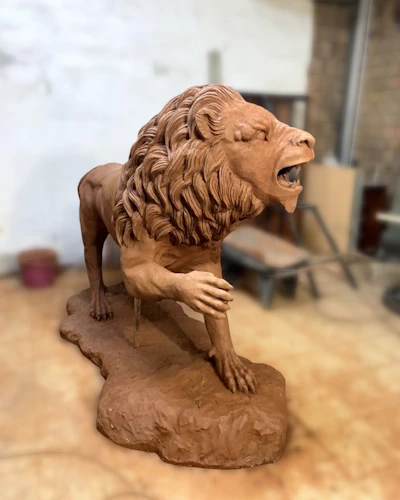
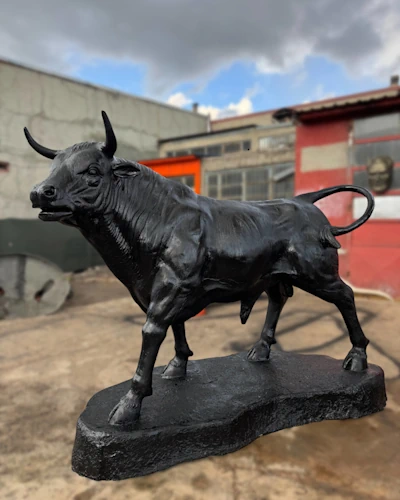
In the art of sculpture, the concept of the figure is a fundamental artistic category that encompasses all works in which the human or animal body is represented in three dimensions. Remaining the most central and controversial subject of sculptural art throughout history, the figure constitutes one of the most powerful areas of expression where the artist brings together anatomical knowledge, observational skills, and artistic interpretation. This wide spectrum, extending from the perfect athletic forms of Ancient Greece to the anatomical precision of the Renaissance, and from the deformed figures of the modern era to contemporary abstractions, clearly demonstrates the central importance and infinite potential of the figure in sculpture.
The Tradition of Figurative Sculpture
The vast majority of humanity's oldest artistic expressions are figurative in nature. Starting from prehistoric Venus figurines and cave reliefs and extending to the Sumerian, Egyptian, and Greek civilizations, the deep-rooted tradition of figurative sculpture clearly reflects art's historical fascination with the human body. Figurative sculpture reached its pinnacle in Ancient Greece; Myron's Discobolos, Praxiteles' Aphrodite, and Pheidias' Athena became the most brilliant examples of how the human body could be depicted with ideal measurements and proportions. While the Roman period adopted and developed this Greek tradition, Middle Ages figurative sculpture placed it at the service of religious iconography.
The figurative sculpture tradition, which reached its peak again in the Renaissance with Michelangelo and Donatello, underwent another radical transformation in the 19th century with Auguste Rodin's revolutionary interpretation. Rodin's The Thinker and The Gates of Hell moved the figure beyond being merely a tool for anatomical representation, transforming it into a carrier of deep psychological and existential meanings. In the 20th century, the figure became a concept that was both defended and rejected; while abstract art movements attempted to reject the figure, many artists continued their figurative work in new forms.
Figure Study in Sculpture Production
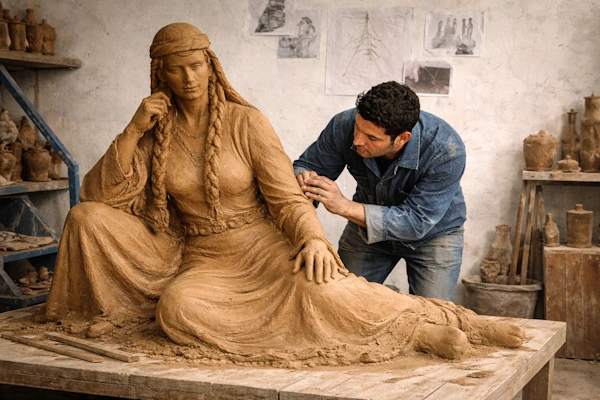
The primary challenge in figurative sculpture production is balancing three-dimensional anatomical accuracy with artistic interpretation. A professional sculptor must deeply grasp skeletal structure, muscular anatomy, and proportions before beginning a figure study. Working with a live model is the most traditional and effective method of reinforcing this knowledge through observation. A figure study starting on clay is completed first by determining the general form and proportions, followed by the addition of anatomical details, and finally by working on surface texture and expression. Since each stage directly affects the quality of the next, figure study requires a meticulous and patient process.
The Place of the Figure in Contemporary Art
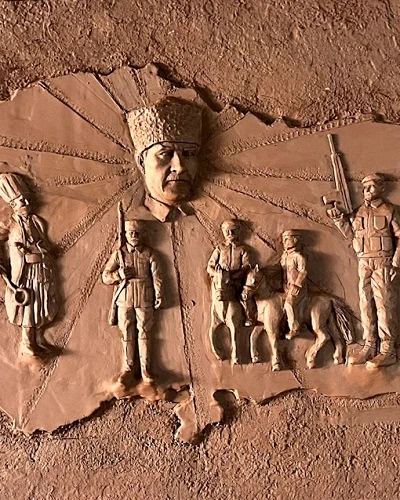
In today's art world, the figure maintains its importance in the field of sculpture despite the strong presence of abstraction and conceptual art. Contemporary artists such as Ron Mueck, Koons, and Damien Hirst keep this deep-rooted tradition alive by reinterpreting the figure in different materials and scales. In the field of public sculpture, the figure remains the most powerful symbolic means of expressing historical and national identities on a monumental scale. Although figurative sculpture is reinterpreted in every age, it will continue to be an artistic category that never loses its relevance, thanks to humanity's impulse to reflect its own body and experience into art.
Date Added: