Silicone Mold Making
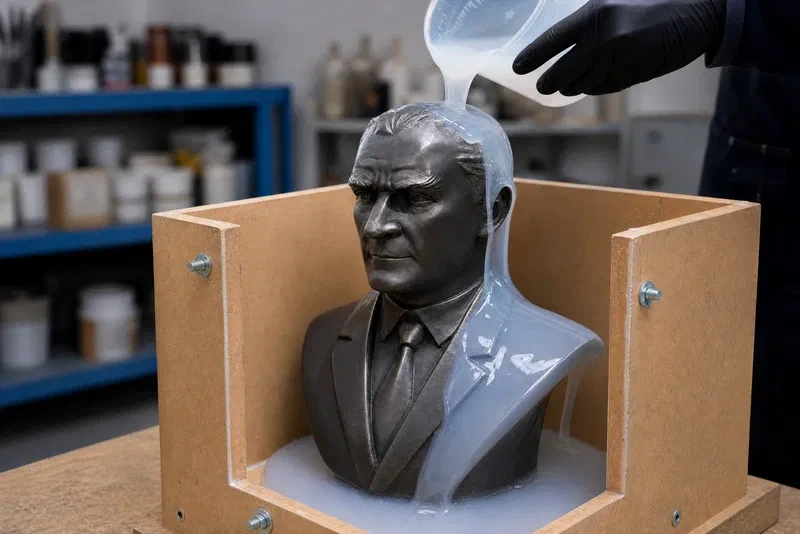
Silicone mold making is a mold casting method used to create an exact replica of an object or sculpture. Applied in liquid form, silicone is poured or brushed onto the model and, once cured, turns into a flexible, durable mold. Thanks to this mold, the original model can be reproduced identically many times using materials such as resin, plaster, wax, soap, and concrete. Silicone mold making is widely preferred both for hobby projects and professional production lines. If you are wondering what silicone is, you can read our related article.
How Is a Silicone Mold Made?
The first step in the mold making process is making sure the model to be molded is clean and dry. The model is placed inside a mold box, and walls are built around it to ensure a leak proof seal. Two component silicone rubber is then mixed in the ratios recommended by the manufacturer and de-aired to remove bubbles. The mixture is poured slowly and in a thin layer over the model so no air gaps form between the details. Once the silicone has fully cured, it is removed from the mold and is ready for use. Curing time varies depending on the type of silicone used; some products harden within a few hours, while others may require up to 24 hours.
What to Consider When Making a Silicone Mold
There are several critical points to keep in mind for the best results. First, the hardness value (Shore value) of the silicone should match the detail level of the model; softer silicone is preferred for finely detailed work. Accurate mixing ratios directly affect the strength of the mold. Using a vacuum chamber to prevent air bubbles during casting is also important for achieving professional results. A leak proof mold box also prevents material loss. Applying a mold release spray to the surface of the model keeps the silicone from sticking to it, allowing the mold to be removed easily and without damage.
Where Is Silicone Mold Making Used?
Silicone mold making has a remarkably wide range of applications. It is frequently used in art and sculpture work, wax art, soap and cosmetics production, jewelry design, decorative concrete products, kitchenware, and industrial prototyping. For small scale workshops and designers in particular, silicone molds offer high quality multiple production at low cost. This flexibility makes silicone molds essential for both artistic and commercial projects.
The Importance of Silicone Molds in Sculpture Making
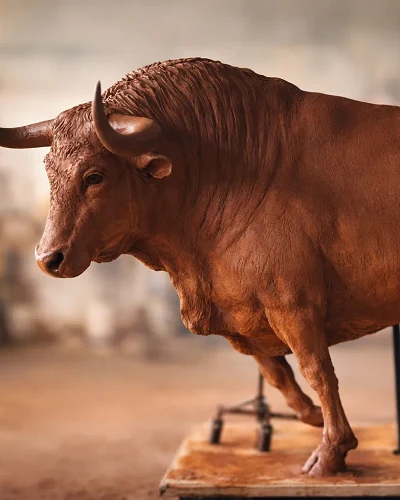
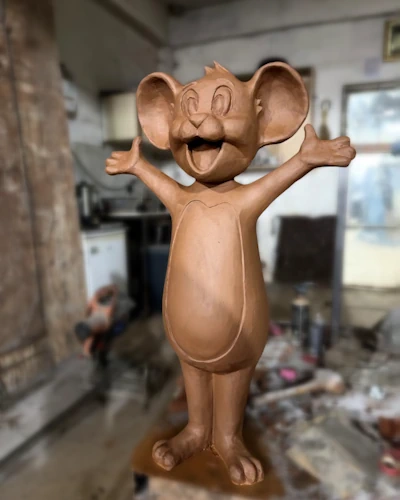
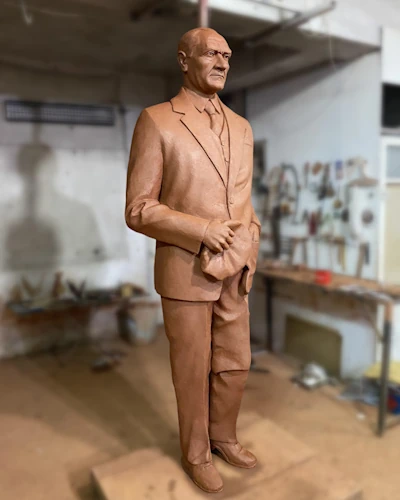
In the art of sculpture, silicone mold making is one of the most reliable methods for reproducing an original work without damaging it. Sculptors take a silicone mold of the model they create from clay or plaster, allowing the piece to be reproduced repeatedly in bronze, resin, or other materials. The flexible structure of silicone captures even the finest curves and recessed details of a sculpture without any loss. This feature is the most important advantage that makes mold making possible for sculptures with complex forms. You can also benefit from our large sculpture molds article.
Advantages of Using Silicone Molds
Silicone mold making offers many advantages compared to other mold methods. Because silicone is highly flexible, it can be easily removed even from complex and recessed shapes without damaging the model. It is also resistant to chemicals and heat, allowing the mold to be used repeatedly over a long period of time. Its smooth surface produces clean results after casting without requiring extra finishing work. A properly stored silicone mold can withstand hundreds of casting cycles depending on frequency of use, offering a significant cost advantage in the long run. For these reasons, silicone remains the most preferred mold material in both amateur and professional sculpture production.
Our Studio's Expertise in Silicone Mold Making
Our Sculpture Workshop is one of the few places in Turkey specializing in silicone mold making, with sculptors on staff who are graduates of fine arts faculties and hold the title of state sculptor recognized by the Ministry of Culture.
Date Added: | Last Updated: