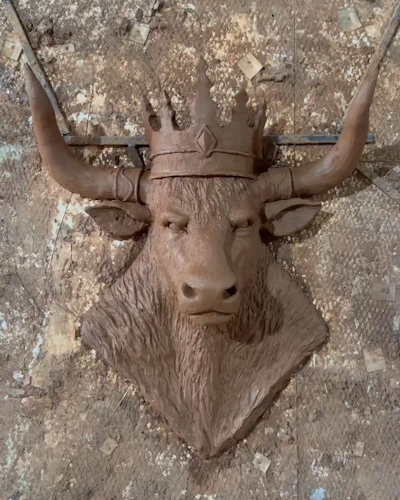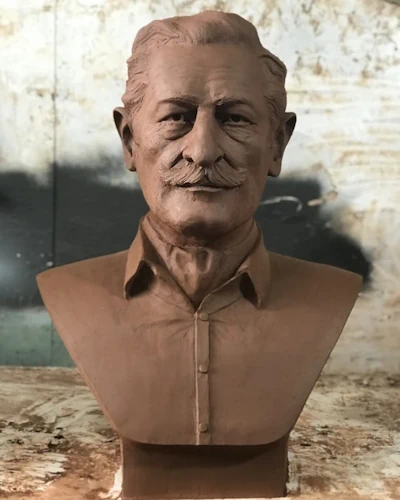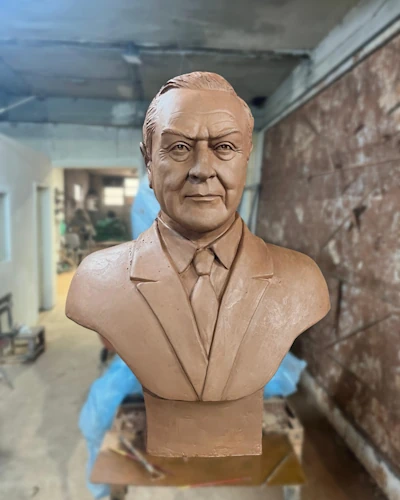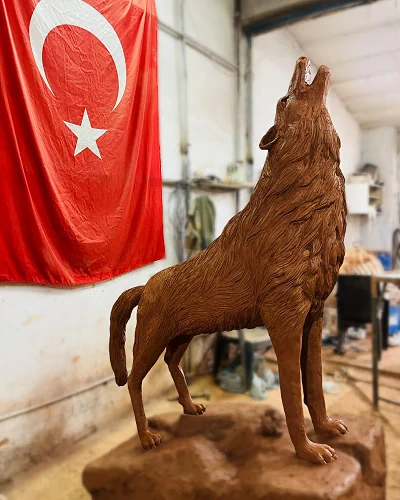
What is Silicone?
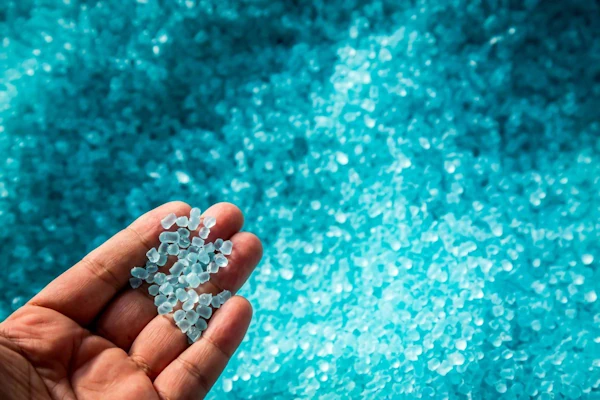
Silicone, one of the indispensable materials in sculpture and mold-making processes, is a material that has revolutionized the art world with its flexibility and high durability. Particularly preferred in the production of monument sculpture and detailed mold-making processes, silicone stands out for its ability to copy even the finest textures of the original work with millimetric precision. Every fingerprint, every texture detail, and every anatomical detail on the surface of a clay or plaster model created by an artist's hands is transferred completely to the subsequent production stages via the silicone mold. This feature makes silicone one of the most reliable and preferred mold materials in the world of sculpting.
Features That Make Silicone Special
The most fundamental feature that distinguishes silicone from other mold materials is its high flexibility and tear resistance. While traditional plaster molds face the risk of breaking in complex forms and deep carvings, silicone molds can be removed smoothly while maintaining their integrity even from the most recessed and protruding surfaces. This situation provides a great advantage, especially in facial busts, detailed figure sculptures, and complex relief sculpture works. In addition, silicone is a chemically inert material; meaning it does not react with casting materials such as polyester, resin, or plaster poured into the mold. This chemical compatibility makes it possible for the mold to be long-lasting and reusable multiple times.
Another important feature that makes silicone valuable in sculpture is its heat resistance. Maintaining its shape even at high temperatures, silicone can be used safely in some preparation processes before bronze casting. Furthermore, the hardness level of the mold can be customized according to project needs by adjusting the ratio of hardener added to the silicone. Soft silicone is preferred for fine and delicate details, while harder formulations are used for molds of large and heavy works.
Silicone Use Process in Sculpture Production
The process of using silicone in sculpture studios usually proceeds with a two-stage method. In the first stage, the prepared clay or plaster model is cleaned, and its surface is covered with a mold release agent. Then, the liquid silicone mixture is applied over the model by brush or casting method. Once the first layer has dried, additional layers are added to reach the desired wall thickness. In the second stage, an outer shell, namely the mother mold, is created to support the silicone; this process is generally carried out using plaster or fiberglass. This two-layer system guarantees that the mold is both flexible and strong enough to maintain its shape.
The copy of the original work is produced by pouring polyester, resin, plaster, or wax into the completed silicone mold. Being able to produce dozens of copies from a single silicone mold makes this method extremely economical for both artistic and commercial projects. In sculpture studios, silicone is used not only as a mold material but also as a directly moldable material in some decorative and pre-model applications.
Comparison of Silicone with Other Mold Materials
Compared to traditional mold materials such as plaster, latex, and polyurethane, the biggest advantage of silicone is its detail precision and service life. While latex molds can dry and crack over time, silicone molds maintain their functionality for years under correct storage conditions. Polyurethane foam molds carry the risk of reacting chemically with some casting materials, whereas silicone is extremely safe in this regard. While plaster molds can break easily in complex forms, silicone can copy even the most intricate forms without damage. Due to these superiorities, silicone is in the undisputed leading position among mold materials in professional sculpture studios today.
Date Added: