Sculpture Painting
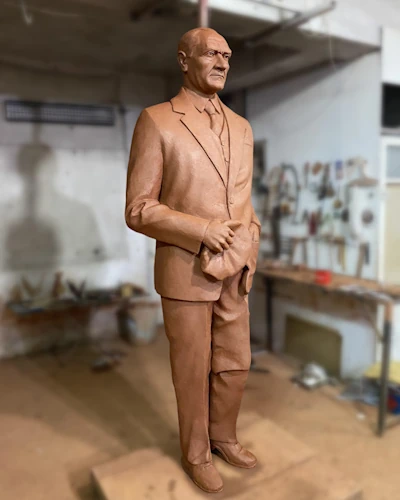
Sculpture painting is a process that covers all the painting applications used to add color, texture, and meaning to the surface of a sculpture. This process is applied both during the completion stage of newly made sculptures and during the restoration of old sculptures. Painting not only enriches the sculpture visually but also protects the material against external factors, extending its lifespan. In sculptures made from different sculpture materials such as plaster, polyester, wood, and metal, painting techniques vary depending on the structure of the material used.
Materials Used in Sculpture Painting
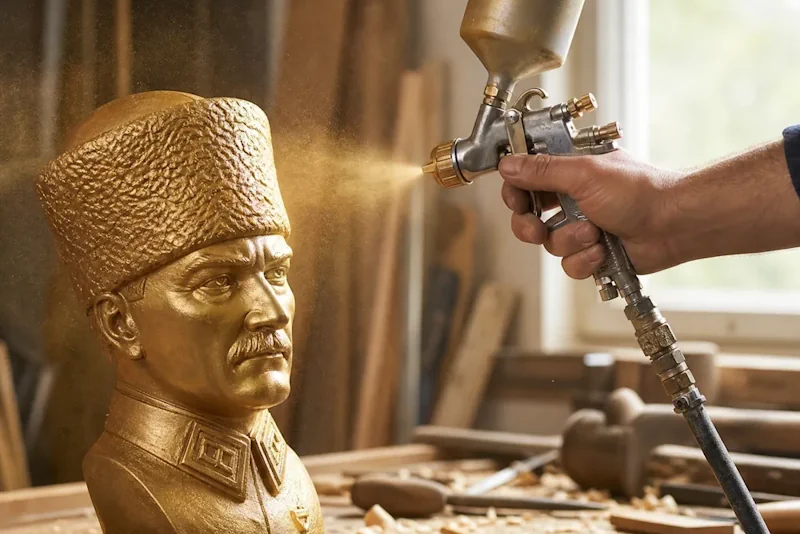
The most commonly preferred paint types in the sculpture painting process are acrylic paint, oil paint, and spray paint. Acrylic paints are widely used, especially on plaster and polyester sculptures, due to their quick drying time, easy application, and wide range of color options. Oil paints, on the other hand, dry more slowly and allow for detailed, layered work. Spray paints are preferred for sculptures made from metal and waste materials to achieve a fast and even coating. After the painting process, a varnish is applied to protect the surface and add shine. In addition, some sculptures are gilded with gold or silver plating techniques to give the works a prestigious appearance.
The Importance of Surface Preparation
Before the painting process, surface preparation is a critical stage for achieving a lasting and even result. Especially in polyester sculptures, painting should not begin before the mold release agents and oils remaining on the surface from the production stage are cleaned off. Surface roughness is removed through sanding, and if necessary, a primer is applied to help the paint adhere better to the surface. In plaster sculptures, due to the fragile structure of the material, careful movement and controlled application with fine brushes are required during painting. If surface preparation is done incompletely, the paint may peel or crack over time, shortening the lifespan of the work.
Brush and Application Techniques
Among the techniques used in sculpture painting, the dabbing technique, stencil use, and decoupage method stand out. In the dabbing technique, a small amount of paint is taken onto the brush, the excess is removed with a paper towel, and it is applied to the surface with soft touches; this method is preferred for highlighting details and giving the sculpture an aged appearance. In the stencil technique, a pattern is fixed onto the surface and paint is applied with a stippling brush, resulting in clear and repeatable patterns. In the decoupage method, specially patterned papers are glued onto the sculpture surface using decoupage adhesive to create a different visual layer. Each of these techniques can be used alone or in combination, depending on the sculpture material and the desired result.
The Difference Between Painting and Patina in Metal Sculptures
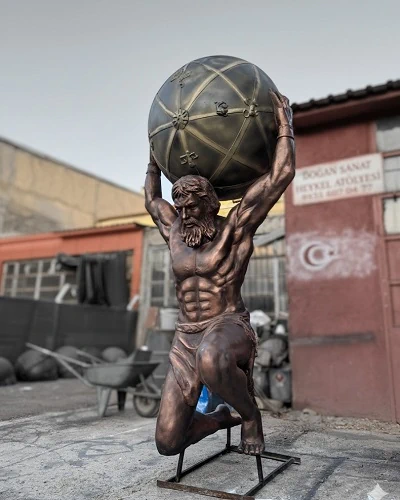
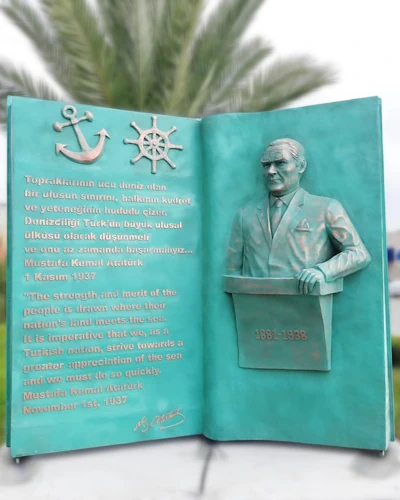
In metal sculptures, the painting process differs from patina application. Painting involves adding color and a layer to the surface from the outside, while patina is the natural or controlled color change of the metal resulting from chemical reactions. Patina is generally preferred for bronze and copper based sculptures, while protective paint layers are applied to iron and steel sculptures to prevent rusting. For this reason, metal sculpture manufacturers choose between painting or patina methods depending on the display environment and the type of material.
Protection and Maintenance After Painting
After the sculpture painting process is completed, regular maintenance is required for the long-lasting durability of the work. For sculptures displayed outdoors, renewing the varnish layer at regular intervals helps protect the paint from factors such as sun, humidity, and temperature. For sculptures kept indoors, simple precautions such as dusting and protection from moisture may be sufficient. Professional restorers determine the appropriate paint and varnish types for the sculpture material, ensuring both the preservation of its aesthetic appearance and the long-term structural durability of the work.
Date Added: | Last Updated: