Installation and Transportation Costs Beyond the Sculpture Price
Plan sculpture installation, transportation, and maintenance costs
When buying a sculpture, most people focus only on the price of the artwork. However, the additional costs required to deliver and install the sculpture correctly can sometimes become just as significant as the price of the artwork itself. Knowing these expenses in advance helps prevent unexpected charges and allows you to plan your budget realistically.
Installation Costs You May Face Beyond the Sculpture Price
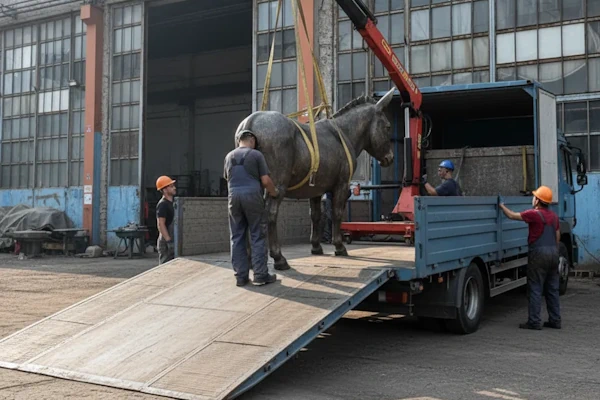
The first and most obvious installation expense is transportation. Standard shipping services cannot be used for especially large and heavy artworks; special packaging, lifting equipment, and an experienced handling team are required. For international purchases, customs duties, import documentation, and insurance costs are also added to this expense. Even domestically, transporting a large bronze or marble sculpture from one city to another can represent a significant cost.
Packaging and Protective Material Costs
Professional packaging is essential to prevent issues such as sculpture damage during transportation. Custom foam molds, wooden crates, and anti-vibration systems are all part of this packaging process. The cost of a custom wooden crate for a large sculpture alone can reach several thousand Turkish lira. This expense is usually covered by the buyer and is not included in the gallery price.
Ground Preparation and Reinforcement Costs
If the ground where a heavy artwork will be installed does not have sufficient load-bearing capacity, it must first be reinforced. This work may include pouring concrete, adding steel reinforcement, or removing and rebuilding the existing surface. The cost of ground reinforcement can be a minor expense or a major construction item, depending on the scope of the work. For this reason, having the installation area assessed by a professional before purchasing the sculpture can save considerable time and money.
Anchoring and Securing Labor
The anchoring system and labor required for securing a sculpture to the ground are also separate cost items. These costs vary significantly depending on the method used, the ground structure, and the weight of the artwork. For large sculptures that require chemical anchoring, both material expenses and specialized labor costs must be taken into account. Leaving this work to inexperienced hands can put both the artwork and the surrounding structure at risk.
Plinth Construction and Material Costs
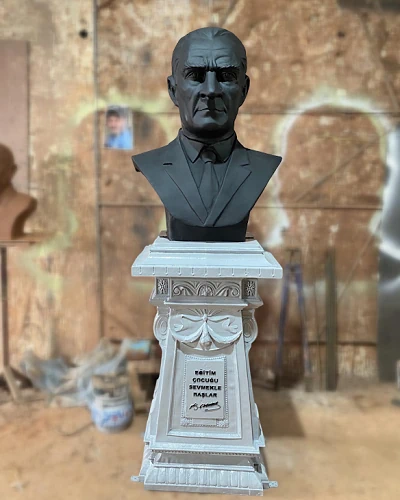
Most sculptures require a suitable plinth beneath the artwork. In some cases, the artist designs the plinth together with the sculpture and includes it in the price; however, buyers often need to commission one separately according to their preferences and the space. Granite, marble, or custom concrete plinths can create a significant additional cost in terms of materials and labor. Choosing a plinth that is compatible with the sculpture’s size and material is important from both an aesthetic and structural perspective. You can read our informational article about what a sculpture plinth is and how it should be chosen.
Insurance and Appraisal Costs
Insurance for a valuable sculpture should begin during transportation and continue after installation has been completed. The artwork must be appraised by an independent expert so that insurance premiums can be calculated. This appraisal report is an important document for both insurance purposes and potential future sales. Appraisal services are provided for a separate fee, and this expense should also be included in the installation budget.
Each of these expenses may seem small when considered individually; however, together they can account for thirty percent or more of the sculpture’s purchase price. Ignoring this reality when planning a budget can lead to serious financial surprises as the process progresses. Before purchasing a sculpture, listing each cost item separately and estimating the related expenses is the most reliable place to start.
Maintenance and Restoration Costs
Another cost item that is often overlooked when buying a sculpture is the long-term expense of sculpture maintenance and restoration. Artworks installed outdoors may develop surface deterioration over time due to weather conditions, humidity, salt, acid rain, and pollution. Patina control for bronze sculptures, surface cleaning and protective coating renewal for stone artworks, and rust-prevention treatments for metal sculptures should be performed at regular intervals. When this maintenance is neglected, the artwork’s financial value may decrease, its aesthetic integrity may deteriorate, and a far more expensive restoration may eventually become unavoidable. Professional restoration can sometimes require a budget close to the artwork’s original purchase price.
Installation and Transportation Costs Beyond the Sculpture Price FAQ
Yes, special packaging is recommended, especially for large, heavy, fragile, or highly valuable sculptures. Standard cardboard boxes and ordinary bubble wrap may not be sufficient to protect the sculpture’s weight, shape, and sensitive surface. Custom foam molds, impact-absorbing layers, moisture-resistant materials, and strong wooden crates should be selected according to the artwork’s material and dimensions. Bronze, marble, ceramic, and glass sculptures require different protection methods. It is also important to prevent the sculpture from moving inside the package, stop the surface from rubbing against other materials, and label the outside of the crate correctly. Professional packaging reduces the risk of scratches, cracks, breakage, and surface deformation during transportation. Although it may seem like an additional expense, it can be far more economical than repairing a damaged artwork.
A crane may be required for the installation of some sculptures. The need is usually determined by the artwork’s size, weight, location, and transportation route. Large bronze, stone, or metal sculptures may be too heavy to move safely by hand. A mobile crane, forklift, or other lifting equipment may be necessary if the sculpture must pass through a narrow entrance, be lifted onto a high plinth, or be positioned at a specific point outdoors. When selecting a crane, its lifting capacity, reach, ground conditions, and nearby structures must be considered. The area should be measured before installation, the crane position should be planned, and all lifting connections should be inspected. Because lifting operations performed by inexperienced personnel can seriously damage the sculpture, surrounding structures, and people, the work should be handled by a qualified installation team.
Ground reinforcement is necessary to ensure that the installation area can safely and evenly support the weight of a heavy sculpture. Not every surface has enough capacity to carry the continuous load created by large stone, marble, or metal artworks. Over time, insufficient ground capacity can lead to settlement, cracking, tilting, or loss of balance. This can damage the sculpture and put nearby walls, flooring, and people at risk. A ground assessment should consider the total weight of the artwork, the dimensions of the plinth, how the load will be distributed, and the existing condition of the site. Depending on the situation, a reinforced concrete base, steel reinforcement, special anchoring plate, or new foundation may be required. An on-site assessment by a structural engineer or qualified professional is recommended before selecting the reinforcement method. Taking this precaution before installation can help prevent expensive repairs and reinstallation work in the future.
An anchoring system is a set of connections used to secure a sculpture safely to the ground or its plinth. Instead of relying only on the artwork’s own weight for stability, the system reduces the risk of tipping, sliding, vibration, and movement caused by external conditions. Large outdoor sculptures may become unstable because of wind, impact, vibration, uneven ground, or accidental contact. During anchoring, the sculpture’s material, center of gravity, plinth structure, ground type, and suitable connection hardware must be assessed together. Mechanical anchors, chemical anchors, steel plates, or custom connection components may be selected for different projects. Incorrect drilling, unsuitable fasteners, or an installation that damages the artwork can cause cracks and deformation over time. For this reason, anchoring should be carried out by experienced installation specialists who understand the sculpture’s material and structural characteristics.
Whether the sculpture plinth is included in the price depends on the artist, gallery, and scope of the sales agreement. For some artworks, the plinth is designed as part of the sculpture and included in the total purchase price. In other cases, only the sculpture is sold and the buyer must commission the plinth separately. When selecting a plinth, the artwork’s dimensions, weight, material, installation area, and visual impact should be considered. The costs of materials such as granite, marble, metal, and concrete, as well as labor fees, can vary significantly. A plinth should not only look suitable; it must also support the artwork safely and, when necessary, accommodate an anchoring system. Before purchasing, the buyer should confirm in writing whether the plinth is included, along with its dimensions, material, delivery terms, and installation responsibility. This helps prevent unexpected expenses and design disagreements later.
The sculpture’s sale price may represent only part of the total budget. Additional expenses can include transportation, special packaging, loading and unloading, crane or forklift services, customs procedures, and transit insurance. If the installation area needs preparation, ground reinforcement, foundation work, plinth construction, and an anchoring system should also be included in the budget. For large or heavy sculptures, the labor cost of a specialist installation team can be a significant expense. Protective coatings, regular maintenance, cleaning, and future restoration should also be considered for artworks used outdoors. International purchases may involve taxes, customs duties, import documents, and storage fees, all of which can increase the total cost. Before making a purchase, listing every expense separately, requesting a detailed quotation, and defining installation responsibilities in writing will support a more accurate and reliable budget plan.