How to Prevent Tarnishing and Darkening on Bronze and Metal Sculptures?
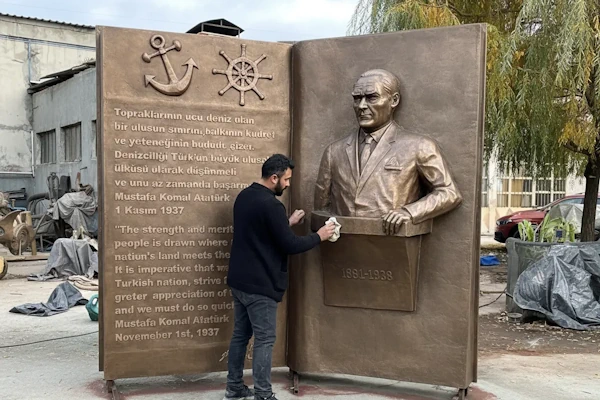
Bronze and metal sculptures can darken over time, develop a dull appearance, or undergo unwanted colour changes. Some of these changes are natural — even aesthetically valuable — while others are preventable forms of deterioration that should be addressed. Distinguishing between the two is critical for developing the right conservation strategy.
How to Prevent Tarnishing and Darkening on Bronze and Metal Sculptures
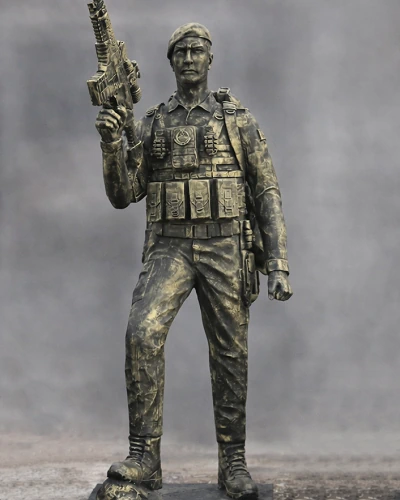
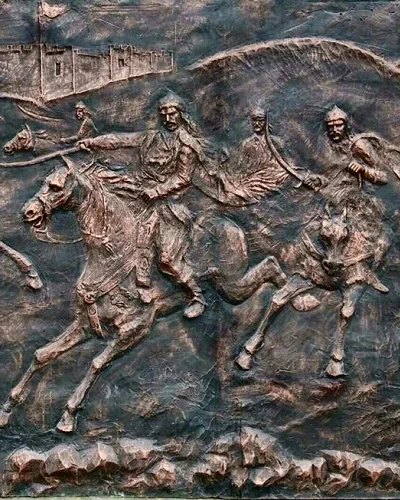
The greenish or brownish discolouration that develops on bronze over time is known as patina. Patina is not deterioration — it is a natural protective layer that bronze develops in response to its environment. Many collectors and artists consider this layer aesthetically valuable and actively preserve it. However, if patina develops uncontrollably or transforms into active corrosion due to moisture and pollutants, it shifts from a beneficial process to a problem requiring intervention.
Key Factors That Accelerate Tarnishing
Several environmental and handling factors can accelerate tarnishing on bronze and metal artworks. High humidity, salt-laden sea air, acid rain, and industrial air pollution are among the primary causes. Oils and salts transferred through direct hand contact can also cause long-term discolouration. Even indoors, factors such as cigarette smoke, kitchen steam, and direct exposure to cleaning sprays can accelerate tarnishing on bronze surfaces.
Regular Cleaning and Choosing the Right Products
Regular cleaning of bronze surfaces significantly slows the tarnishing process. Choosing the correct cleaning product is essential. Acidic or abrasive cleaners should never be used on bronze surfaces, which are sensitive to acid. In most cases, a gentle clean with a soft cloth and pH-neutral soapy water is sufficient. After removing accumulated dust and grime, it is important to dry the surface completely — residual moisture accelerates oxidation.
Wax Application: The Most Effective Protection Method
The most widely used and effective method for protecting bronze artworks is wax application. Microcrystalline wax or carnauba wax creates a thin protective film on the surface, preventing direct contact from moisture, salts, and pollutants. This treatment should be renewed once or twice a year; for outdoor works or those exposed to heavy air pollution, the frequency should be increased. The surface must be clean and completely dry before any wax is applied.
Tarnishing on Stainless Steel and Other Metal Sculptures
Stainless steel is far less prone to tarnishing than bronze; however, fingerprints, oil smudges, and water residue can create a dull and dirty appearance on the surface. Specialist stainless steel cleaners should be used for these surfaces. Iron-based metal sculptures are far more susceptible to rapid rust formation, which — if left untreated — can threaten structural integrity. Protective paint or coating applications are essential for such works; coating integrity should be checked at regular intervals and any damaged areas repaired immediately.
What to Do If Tarnishing Has Already Begun
If there are signs of active corrosion on the sculpture — such as blistering, white powder deposits, or deep colour changes — it is advisable to consult a conservator rather than attempting remediation at home. Improper cleaning methods can completely strip the patina or cause permanent surface damage. Professional intervention both addresses existing damage and provides a comprehensive conservation plan for the future. Neglecting minor tarnishing is, in effect, an invitation to a far more costly restoration process down the line.
Date Added: | Last Updated: