What is Corrosion?
In the art of sculpture and metalwork, corrosion appears as one of the greatest enemies of the works. This concept, derived from the Latin root "corrodere" meaning "to gnaw," refers to the degradation of metals through chemical reactions with environmental factors. When metals such as bronze, iron, steel, and copper come into contact with air, moisture, salt, and acid rain, the resulting corrosion can seriously destroy a sculpture's surface texture, structural integrity, and aesthetic value if not controlled. For this reason, corrosion control is among the highest priority technical issues both in new sculpture production and in the restoration of historical works.
Effects of Corrosion on Sculptures
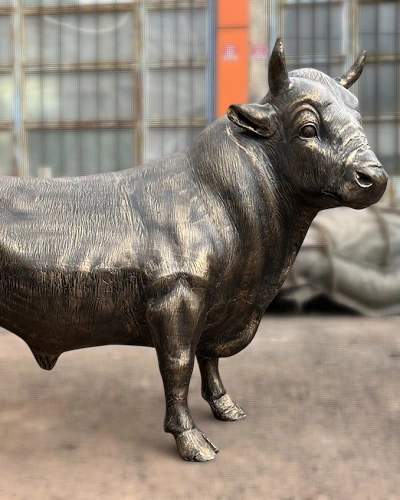
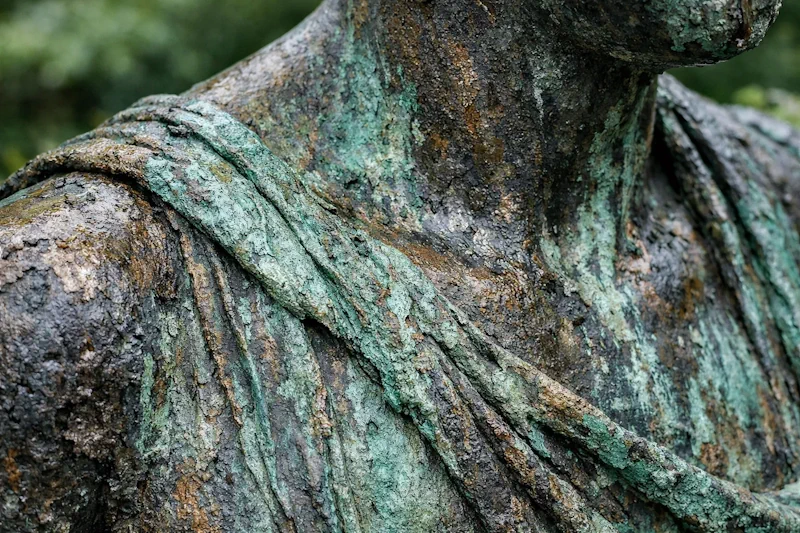
The marks left by corrosion on a sculpture vary greatly depending on the type of material and environmental conditions. Corrosion in bronze sculptures manifests itself with the formation of "patina," a greenish layer on the surface. This green layer formed in the natural environment can actually function as a barrier protecting the bronze from further corrosion; however, if uncontrolled, it can erode the surface texture over time. In iron and steel sculptures, corrosion follows a much more aggressive path; the iron oxide layer known as rust penetrates into the internal structure of the metal, first thinning and then disintegrating it.
Sculptures exhibited especially in coastal regions and industrial areas undergo much faster corrosion due to the effects of salty air and acid rain. For sculptures used in these regions, material selection must be handled more carefully and surface protection applications must be repeated more frequently. The vast majority of historical bronze monuments have lost their original surface textures due to the corrosion they were exposed to for centuries and have required regular restoration interventions.
Methods of Protection from Corrosion
Foremost among the measures taken against corrosion in sculpture production is correct material selection. Preferring materials with high corrosion resistance, such as bronze, stainless steel, and aluminum, significantly reduces long-term maintenance costs. In addition, surface protection coatings are among the most effective practical measures against corrosion. Special protective varnishes, wax coatings, and chemical inhibitors slow down or completely stop the corrosion process by blocking moisture and oxygen from penetrating the metal surface.
Creating regular maintenance programs for sculptures exhibited outdoors also plays a critical role in corrosion control. Cleaning and surface protection processes applied at least once a year can extend the life of a sculpture by decades. In the restoration of historical artifacts, the corrosion layer must be carefully cleaned, followed by special applications that will provide long-term protection. This process is carried out with a delicate balance of both chemical and mechanical methods and must be performed by expert conservation teams.
Date Added: