
The Ultimate Guide to Sculpture & Fine Art
Step into the fascinating world of sculpture! At heykel.org, we provide comprehensive information on sculpture techniques and materials such as clay, stone, and bronze. You will find the answers to "What is sculpture and how is it made?" on this page, with all the details from history to modern applications. Whether you are a beginner or an experienced artist, you are in the right place to discover the secrets of three-dimensional art, review step-by-step guides, and find inspiration. Start your sculpting journey now. Last Updated:
Various Insights from the World of Sculpture
-
Color selection, application techniques and material-based guide for sculpture -
Artifact, treasure and sculpture needs expert opinion How Can Historical Artifact Treasure Sculpture Be Identified?
-
Bronze sculpture made with lost-wax technique is historys most enduring art form What Is Bronze Sculpture and How Is It Made
-
Custom statue making and personalized statue orders Having Your Own Statue Made
-
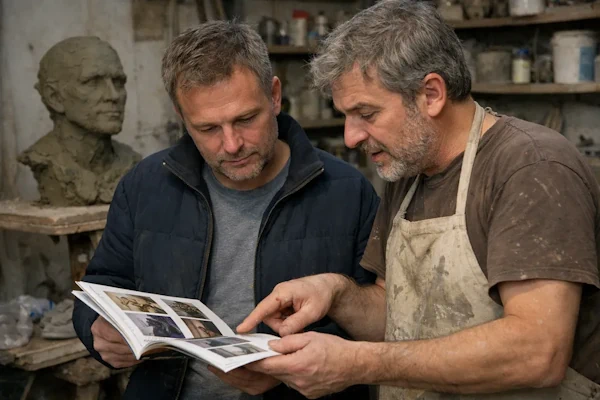
What Are the Prices for Custom Sculptures, Statue Making Costs I Want to Have a Statue Made, How Much Does It Cost?
-
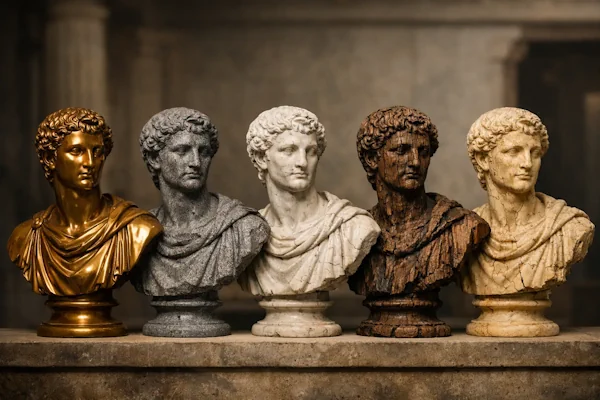
Sculpture lifespan and maintenance by material How Long Do Sculptures Last? Lifespan by Material
-
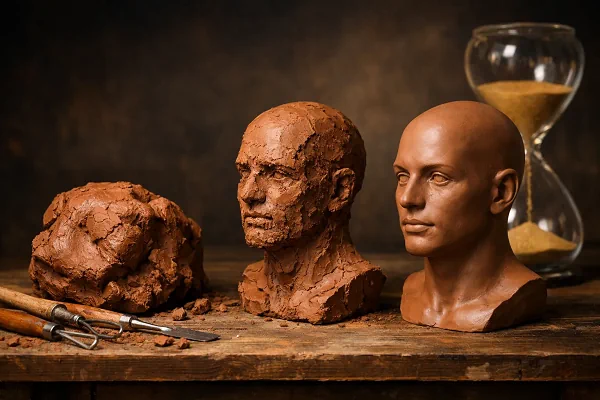
The sculpture making process varies depending on material and size How Long Does Sculpture Making Take? Estimated Production Time
-
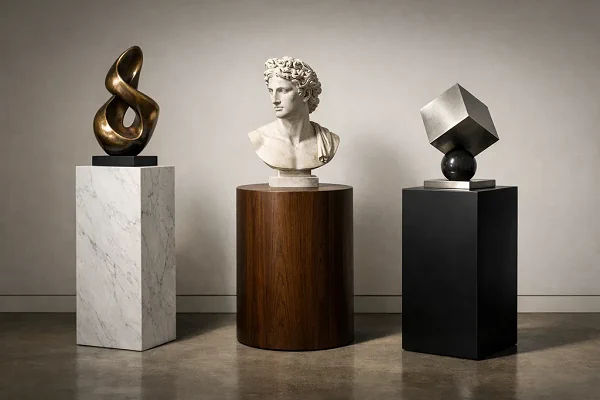
Size and Proportion Balance: The Relationship Between Sculpture What Is a Sculpture Base? How to Choose the Right Pedestal?
-
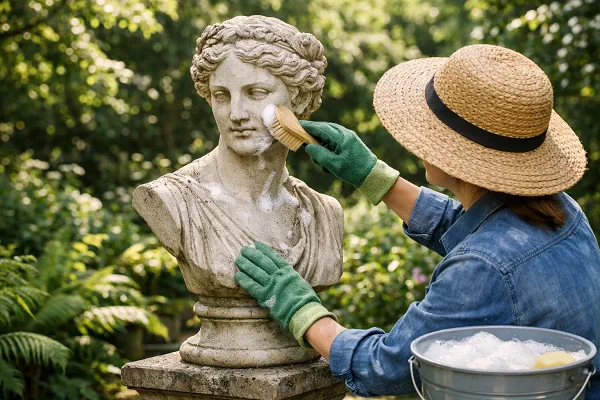
Proper care based on material type is essential for garden sculptures Garden Sculpture Care
-
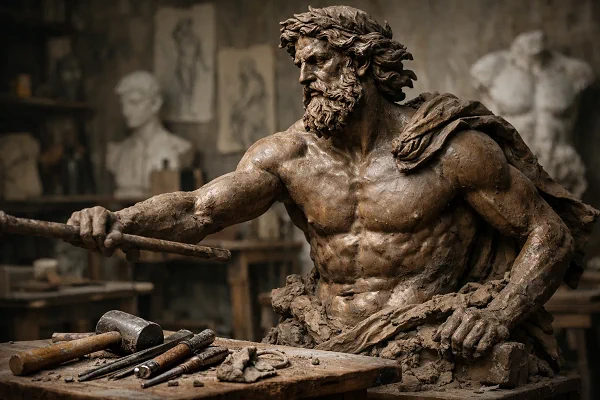
Shaping materials such as clay, stone, metal, wood What is Sculpture?
-
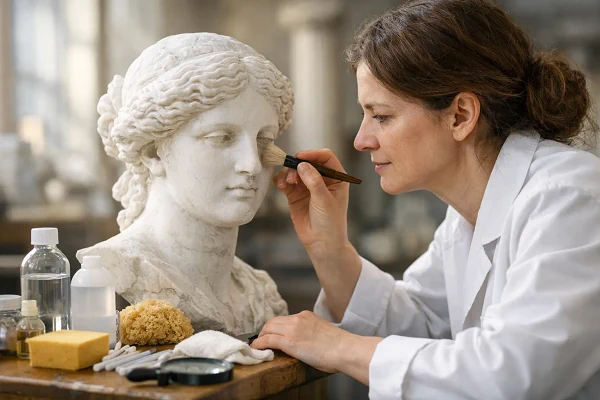
Fiberglass, clay, marble and bronze sculpture care guide Sculpture Maintenance Instructions
-
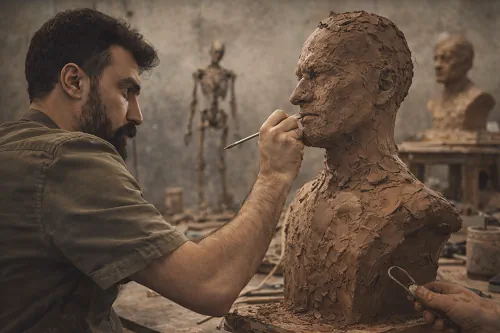
Step-by-Step Sculpture Making Techniques How to Make a Sculpture
-
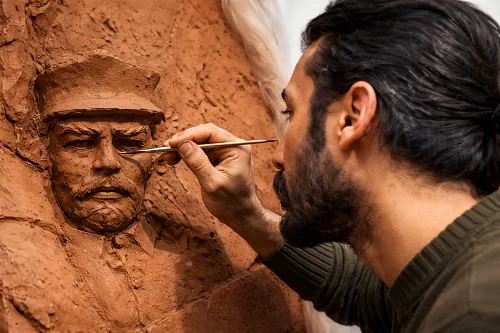
Meaning of Wall Sculpture Relief What is Relief
-
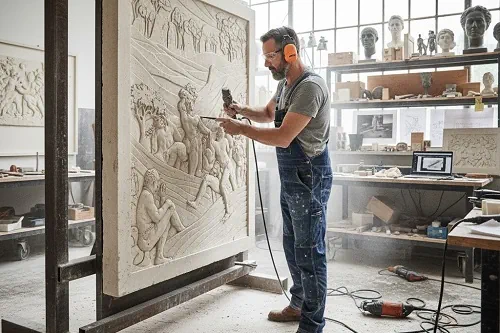
Clay, Marble, Bronze, Fiberglass, and More Materials Used in Sculpture Making
-
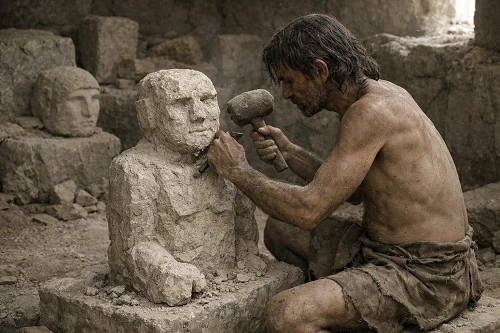
Sculpture from Antiquity to the Present History of the Art of Sculpture
Sculpture Product Categories
Sculpture Guide: Frequently Asked Questions
Our sculpture information page is a comprehensive guide for art lovers and collectors to deeply understand the fundamentals and technical details of sculpture art. On this page, in addition to definitions of the most basic concepts of sculpture art such as what is relief, what is bust, basic production techniques (carving, modeling, casting) that answer the question of how to make a sculpture are explained in detail. Additionally, information about different sculpture materials such as marble, bronze, wood and expert opinions on the usage areas of these materials are included. The purpose of the page is not only to showcase our works, but also to equip our visitors with the rich history and technical knowledge of sculpture art. In this way, your perspective on our works will deepen and you will see the labor behind the art more closely.
Yes, the technical details of each artwork are presented with utmost transparency on our sculpture information page. These details are vital for potential buyers and art enthusiasts to make the right decision regarding the space where the piece will be displayed. The page clearly specifies the net dimensions (height, width, depth), approximate weight, and the main materials used in its creation (e.g., Carrara marble, cast bronze). Furthermore, due to the handmade nature of the work, special techniques employed and information regarding outdoor durability, if applicable, are also provided. This comprehensive technical information is part of our corporate guarantee, ensuring you fully understand both the artistic value and the physical characteristics of our sculptures.
The history of sculpture serves as a crucial bridge for understanding contemporary art and aesthetic sensibilities, going beyond merely studying past works. History shows us how different civilizations expressed their beliefs, social structures, and technological advancements through sculptures. For instance, the ideal human form in Ancient Greek sculptures inspired Renaissance artists, while modern sculpture sought new forms of expression by breaking these traditional molds. At heykel.org, we draw inspiration from this rich history, yet carry the tradition into the future with our handmade and device-free production philosophy. Knowing art history allows you to accurately assess an artwork’s artistic value, cultural context, and collection potential.
Absolutely. Our mission at heykel.org is not only to showcase our works but also to share our knowledge about the art of sculpture. Our Sculpture Information page provides a comprehensive guide that answers the question of how to make a sculpture. This guide details the steps a sculptor follows, fundamental techniques (carving, modeling, casting), the tools used, and the properties of the materials. Our goal is to increase the viewer’s appreciation for the artwork by making the process behind the art transparent. With our philosophy of handmade and device-free production, we explain the subtleties and challenges of traditional methods, creating a valuable resource for anyone interested in this ancient art form.
For beginners in sculpture art, it is important to focus on techniques that develop basic form and volume perception in the first learning step. In this context, we primarily recommend examining the Modeling technique. Modeling involves working with soft materials such as clay or plasticine, and this offers you the flexibility to understand form by adding and removing material. Additionally, reading the basic principles of the Carving technique (subtraction method) helps you understand the limits and resistances of the material. These two basic techniques represent the two main approaches of sculpture art. In the "How to Make a Sculpture" section on our page, detailed explanations of these techniques and necessary tool-equipment information for beginners are available. Acquiring this knowledge will ensure that your art journey is built on solid foundations.
The best starting point for those who want to learn sculpture making is to combine theoretical knowledge with practice. First, you should establish a solid theoretical foundation by reading the information on sculpture art history and fundamental concepts (relief, bust, armature) on our site. Following this, you should move on to modeling practice with clay, the most flexible and cost-effective material. This practice will rapidly develop your three-dimensional thinking skills. Initially, working on simple geometric forms and the basic proportions of the human figure is critically important for creating more complex works later on. Remember, heykel.org’s handmade philosophy requires patience and continuous practice. Our guides on the page will lead you step-by-step on this journey.