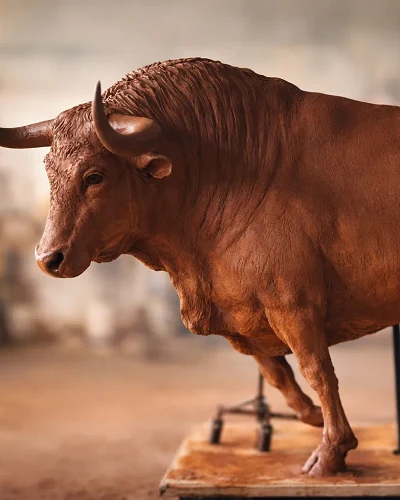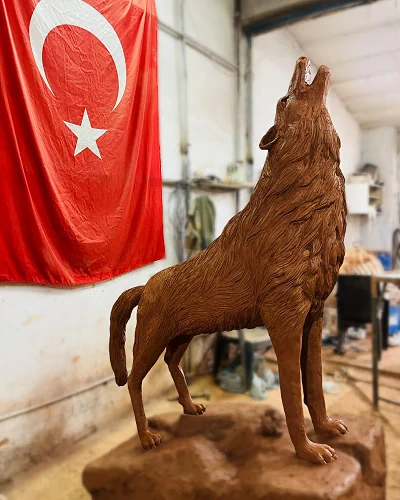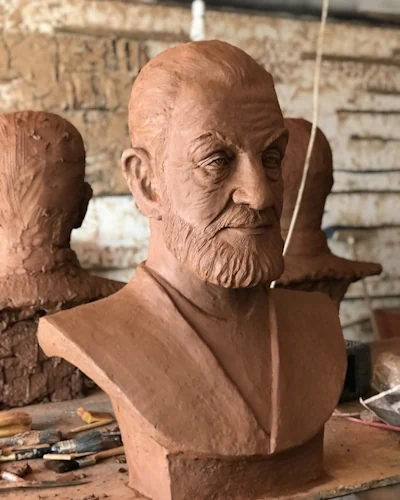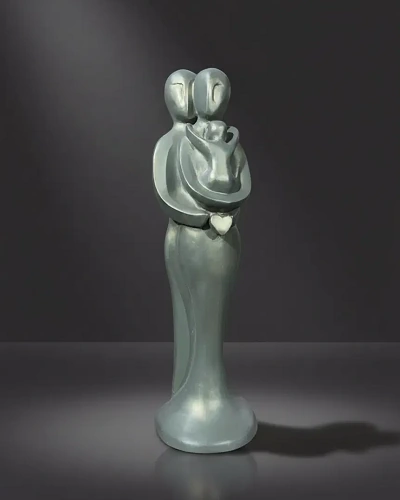
What is Sculpture?
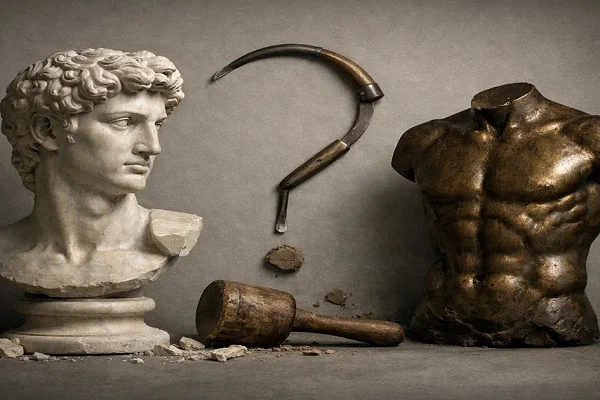
Sculpture is one of the oldest art forms in existence, spreading through three-dimensional space and existing through its mass and volume. Unlike painting or graphic arts, sculpture shares the same physical reality as the viewer; it receives the same light, breathes the same air, and offers a constantly changing visual experience as the viewer moves around it. This is what fundamentally sets it apart from other art forms. Sculpture is the art of transforming an idea, an emotion, or a narrative into a three-dimensional form through stone, metal, wood, clay, or far more modern materials.
Defining sculpture as merely an object falls short. It gains meaning through its relationship with space, its shadow, its weight, and even the sensation it leaves in the hand when touched. A sculpture transforms the space it occupies; it changes the spirit of that space. For this reason, sculpture is not simply an art that is looked at, but one that is felt and experienced.
Historical Records of Sculpture
Sculpture is one of the earliest known artistic expressions in human history. The Venus of Hohle Fels, dating back approximately 35,000 to 40,000 years, is a small female figure carved from ivory and is considered one of the oldest surviving examples of sculpture. This finding shows that sculpture existed long before writing, music, and even settled life. Humans first met their need for self-expression by shaping the materials within reach of their hands.
The ancient civilizations of Mesopotamia and Egypt transformed sculpturing into a systematic art and spiritual practice. In Egypt, sculpture was an inseparable part of religious rituals. These works, representing gods, pharaohs, and the souls of the dead, were created not merely out of aesthetic concern but with a sacred purpose. The Sphinx and the statues of Ramesses are among the most well-known examples of this understanding. In Egyptian sculpture, figures were generally designed in a rigid, symmetrical manner that symbolized immortality, because these works were made to exist beyond time.
Sculpture in the Ancient Greek and Roman Period
A true revolution in the art of sculpture took place during the Ancient Greek period. The Greeks partly freed sculpture from its divine and religious context and transformed it into a human form of expression. The pursuit of the ideal human body was the central concern of this era. Athenian sculptors sought ways to convey muscles, movement, and expression as realistically as possible. Myron's Discobolus and Phidias's statues of Zeus and Athena became symbols of this pursuit of perfection.
Greek sculpture is examined in three main periods: during the Archaic period, figures still appeared rigid and carried Egyptian influence. In the Classical period, movement, balance, and naturalism came to the fore. In the Hellenistic period, dramatism, emotionality, and complex compositions became dominant. Rome largely adopted Greek sculpture but made its own original contributions in terms of portrait sculpture and historical narrative. In Roman sculpture, the emphasis shifted from idealism to the importance placed on individual facial features.
The Transformation of Sculpture from the Middle Ages to the Renaissance
In medieval Europe, sculpture entered the service of the church. Figures adorning the facades of cathedrals served as a kind of visual Bible for an illiterate population. During this period, aesthetic beauty took a back seat; what mattered was conveying the sacred message. Figures were often disproportionate, faces expressionless, yet symbolically dense.
The Renaissance symbolized a rebirth in the art of sculpture. Admiration for Ancient Greece and Rome led artists once again to place the human body at the center. Donatello created works that conveyed the human form with realism and emotional depth. However, the undisputed pinnacle of Renaissance sculpture is Michelangelo. His David became the symbol of an effort to present the most perfect human form that could be created from marble. The same hand that painted the ceiling of the Sistine Chapel worked marble as if breathing life into it. According to the famous saying attributed to Michelangelo, "sculpture already exists within the marble; all the artist needs to do is set it free."
Date Added: