What is Lost-Wax?
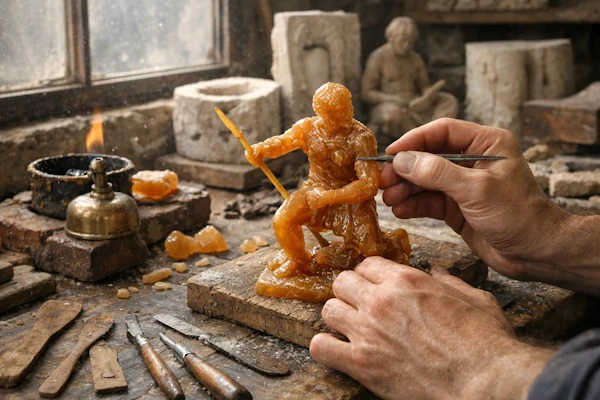
The lost-wax technique, one of the most deep-rooted and refined casting methods in the art of sculpture, maintains its status as the most preferred method for producing bronze sculpture today, with a history spanning thousands of years. This ancient technique, reaching back to the civilizations of Ancient Egypt and Mesopotamia, takes its name from the most critical stage of the process: melting the wax model by applying heat and allowing it to be replaced by molten metal. This moment of transformation represents the magical threshold where a raw substance turns into a permanent work of art, and it constitutes the most unique feature that distinguishes the lost-wax technique from other casting methods.
History of the Lost-Wax Technique
The history of the lost-wax technique dates back to 3000 BC. Civilizations of Ancient Egypt, India, China, and Greece used this method to produce metal figures, jewelry, and ritual objects. In Medieval Europe, the bronze doors and religious figures adorning cathedrals were also largely produced with this technique. During the Renaissance, in the hands of masters like Donatello and Cellini, the lost-wax technique reached the pinnacle of sculptural art. Developed and refined over centuries, this method is still practiced in modern sculpture studios today, remaining true to its essence.
Production Process of Lost-Wax
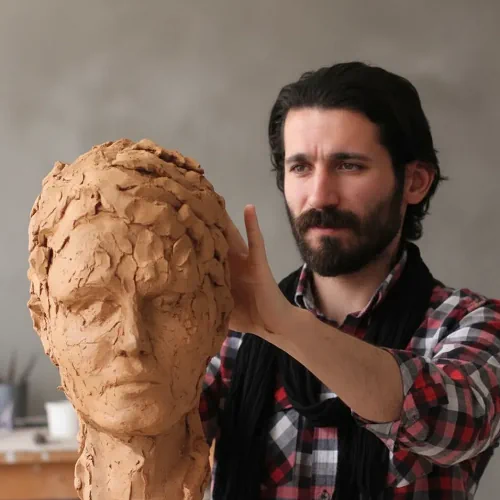
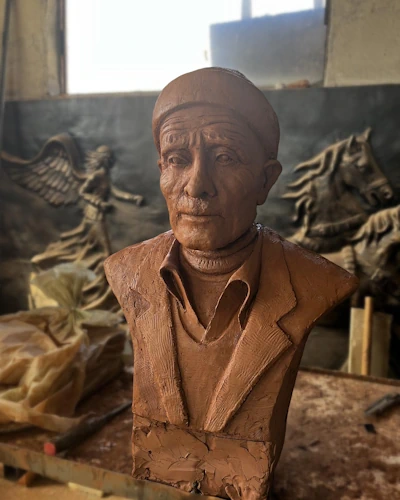
The lost-wax casting process consists of several critical stages. In the first stage, the artist prepares the original model of the sculpture using clay or another malleable material. A silicone or plaster mold is taken from this model, and molten wax is poured into the mold to obtain a wax copy of the original work. After the wax model is carefully cleaned and necessary corrections are made, layers of a special refractory mixture are applied to it to create the ceramic shell. This process is repeated several times, waiting for each layer to dry, until a sturdy ceramic shell is obtained.
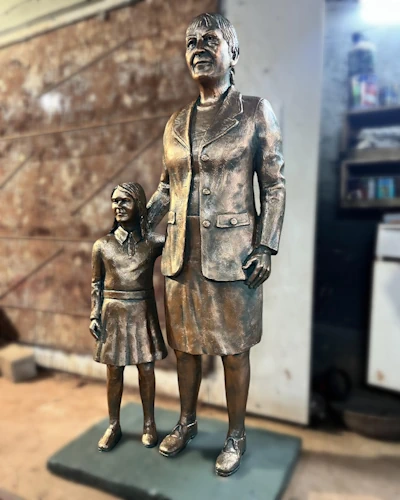
Once the ceramic shell is completed, the model is placed in a kiln where the wax melts and flows out; this stage is the "lost-wax" process for which the technique is named. Molten bronze, heated to approximately 1100 degrees Celsius, is poured into the remaining empty ceramic mold. After the bronze cools and solidifies, the ceramic shell is broken away, and the bronze sculpture is revealed. In the final stage, the work is completed through surface cleaning, welding, chasing - finishing - perdah , and patina applications.
Advantages of the Lost-Wax Technique
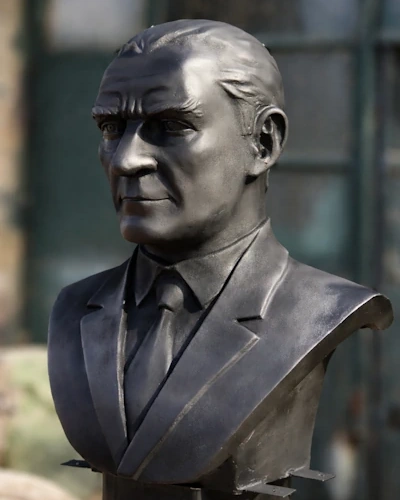
The greatest advantage of this technique is its unlimited detail precision. The finest line, the smallest texture, and the most delicate surface treatment created by the artist on the wax are transferred completely to the bronze. Therefore, the lost-wax method remains an indispensable choice, especially for works requiring high detail such as facial busts, hand and finger details, and clothing folds. Every lost-wax casting yields a technically unique work as the wax model is destroyed; this adds a distinct meaning to lost-wax sculptures in terms of artistic and collectible value.
Date Added: