What is Fresco?
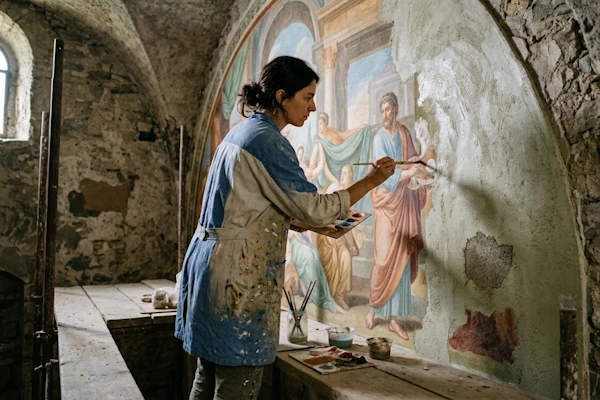
Fresco is a traditional painting technique applied with natural pigments onto wet plaster on wall and ceiling surfaces. Derived from the Latin word "fresco," meaning "fresh," this technique is based on the principle of the chemical integration of pigments with the drying lime plaster. This integration ensures that the fresco possesses a durability far beyond that of an ordinary wall painting, as the pigments penetrate directly into the structure of the plaster rather than just staying on the surface. Used across a wide geography and time period—from Renaissance Italy to the ancient Minoan civilization, from Medieval churches to the Mayan temples of Central America—fresco has created a rich visual narrative tradition that occasionally intertwines with the art of sculpture.
History and Cultural Heritage of Fresco
The roots of the fresco technique date back to 2000 BC. The frescoes of the Palace of Knossos in Crete are among the oldest surviving examples of fresco and offer a unique window into the visual world of the Minoan civilization. During the Ancient Roman period, fresco became the most common decorative art form, adorning both public buildings and private residences. Roman frescoes preserved under volcanic ash in Pompeii still vividly convey the art and daily life of the period today. In the Middle Ages, fresco turned into the most effective visual tool for conveying Christian iconography to the illiterate public, forming the basis of comprehensive religious narrative programs covering the walls of cathedrals, monasteries, and chapels.
The peak of fresco in art history was undoubtedly experienced during the Italian Renaissance. In the hands of Giotto, Masaccio, and especially Michelangelo, the fresco technique met the most powerful visual language of human expression and spatial depth. The giant fresco program applied by Michelangelo to the ceiling of the Sistine Chapel stands today as the most striking example of the artistic height this technique can reach and remains among the most visited works of art in the world.
The Fresco Application Process
Fresco application is a technical process that requires extremely meticulous preparation and a disciplined work pace. In the true fresco technique, a coarse plaster layer is first applied to the wall surface and allowed to dry. Then, a thin layer of lime plaster is applied only to the area to be worked on that day, as the entire painting process must be completed before the plaster dries. This area is called "giornata," or "a day's work." Natural mineral pigments applied while the plaster is wet chemically integrate with the lime during the drying process to form a permanent layer. An incorrect brushstroke or a color mistake necessitates the removal and re-application of the plaster, which clearly demonstrates the degree of care and skill fresco requires.
The Intersection of Fresco and Sculpture Art
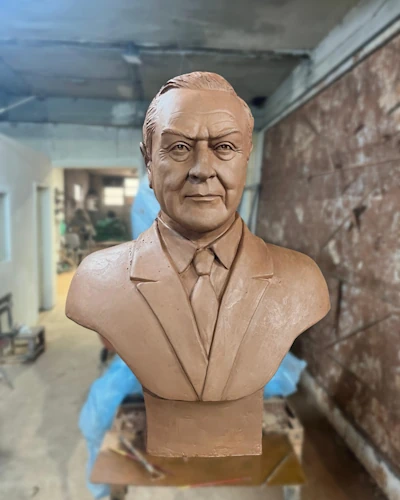
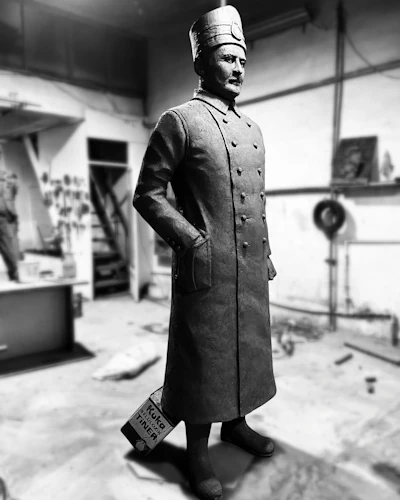
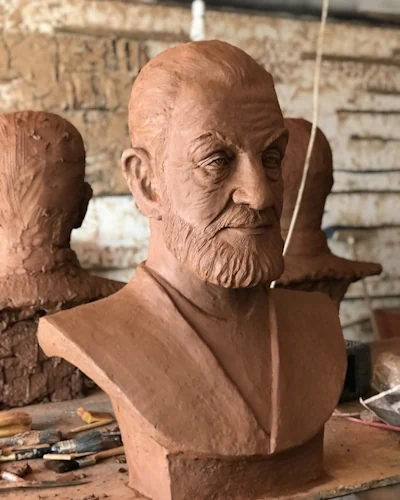
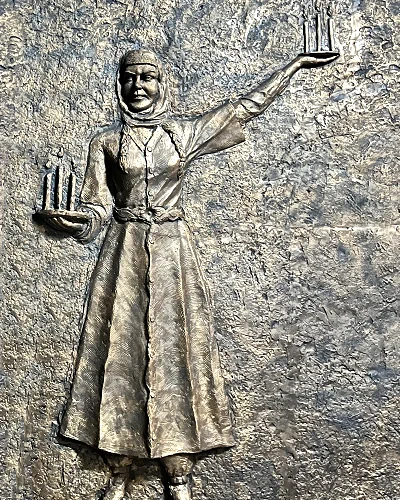
Fresco and sculpture have frequently been used together as two powerful narrative tools that complement each other, especially in integrated architectural art projects. In Gothic cathedrals and Renaissance palaces, fresco programs merged with sculpture reliefs and figurative monument sculptures to create comprehensive and multi-layered visual narratives. Spaces where these two art forms were used together offered a holistic artistic experience that surrounded and enveloped the viewer from all sides. Today, some artists continue to produce cross-disciplinary works that bring together fresco and sculpture techniques with new interpretations.
Date Added: