What is an Adorant?
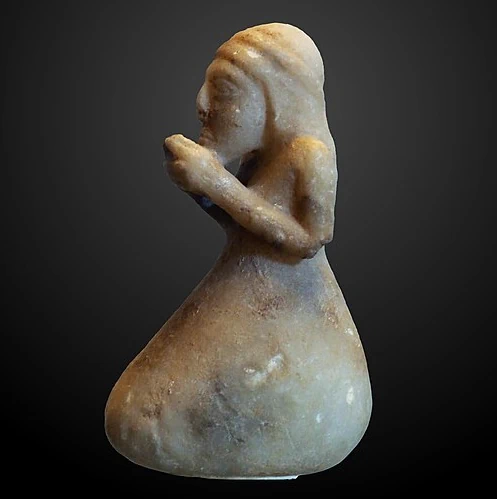
An adorant is a human figure frequently encountered in ancient sculptures and reliefs, depicted in a position of worship or prayer with hands raised or clasped in front. The word originates from the Latin "adorare," meaning to worship or entreat. This type of figure is intensely seen in works belonging to Mesopotamian, Egyptian, Greek, and Roman civilizations. Adorant figures were crafted by sculptors as a tangible expression of respect and devotion felt toward gods or sacred powers.
Characteristics of the Adorant Figure
The most distinctive feature of adorant figures is that their body language reflects a state of worship and submission. Hands are generally depicted as clasped at chest level, opened upward, or joined in a prayer position. The facial expression is mostly calm and introspective. The posture of the figure is static and balanced, conveying no sense of movement; this symbolizes the stationary and permanent nature of religious rituals. Adorant sculptures were generally kept smaller than life-size and placed inside temples or sacred areas.
The Adorant in the Historical Process
The history of the adorant figure dates back thousands of years. Small-sized figurines found in temple complexes belonging to the Sumerian civilization are considered among the first examples of the adorant tradition. These figurines were produced to symbolically ensure that those who could not go to the temple remained in continuous prayer in the presence of the god. In Egypt, adorant figures were used to depict pharaohs in a position entreating the gods. In the Greek and Roman periods, this tradition took a different form, evolving into reliefs depicting participants in religious ceremonies.
The Relationship Between Adorant and Religion
The adorant figure is essentially a religious concept. It is a product of the effort to visually convey the relationship between humans and divine power. The vast majority of ancient societies believed that one way to communicate with the gods was through ritual body language. This belief is the primary motivation that brought about the adorant figure. Raising or clasping the hands appears in similar forms across different cultures as a universal gesture of prayer and submission. The adorant position continues to live on today in some religious ceremonies and worship practices.
The Adorant Figure and the Art of Sculpture
In terms of the art of sculpture, the adorant figure holds a very important place technically and aesthetically. This figure type offered sculptors the opportunity to craft the human body within a static yet meaningful composition. Details in the hands, fingers, and facial expressions were processed with particular meticulousness in adorant sculptures because these details directly carry the emotional and spiritual meaning of the figure. The production of adorant sculptures was a very common practice in ancient workshops, and these works were collection objects carrying both religious and artistic value.
The Concept of Adorant Today
Although the adorant figure is not used directly in contemporary sculpture art, traces of this tradition are still seen in modern works. Especially in sculptures and reliefs produced for religious spaces, human figures in a worship position are a continuation of the adorant tradition. In the fields of art history and archaeology, the term "adorant" survives as a technical concept frequently used in the classification of ancient works. There are many works cataloged as adorants in museum collections, and these works are considered extremely valuable documents for understanding ancient beliefs and rituals.
Date Added: