What is Amphi-prostyle?
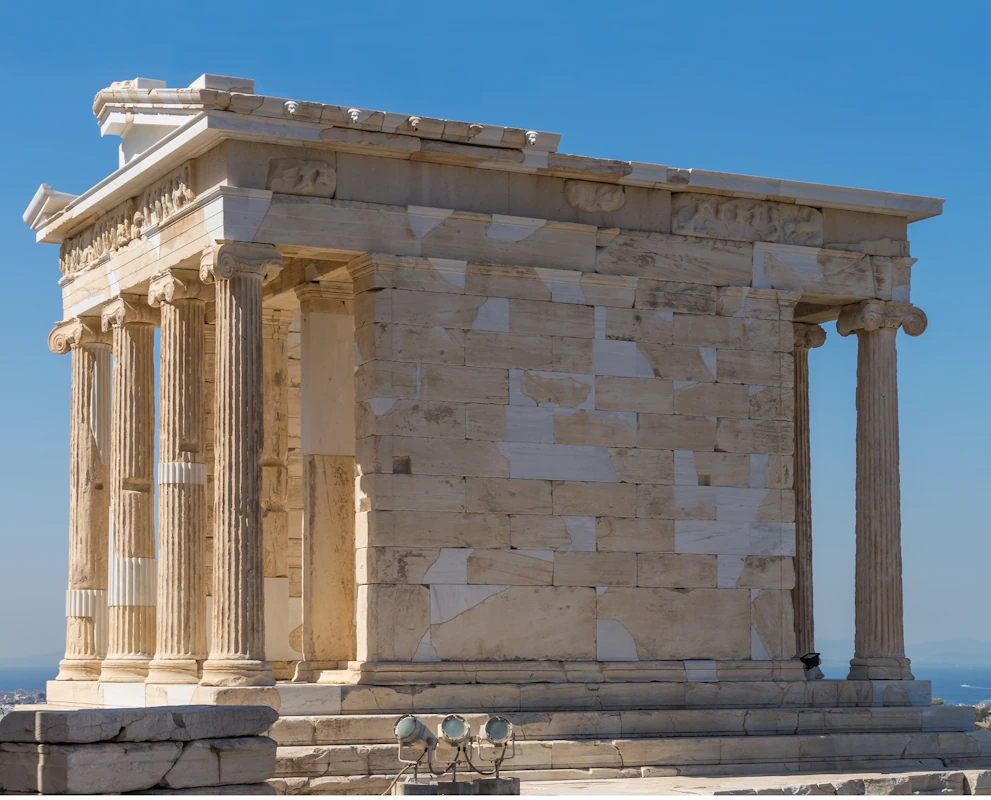
Amphiprostyle is a temple type in ancient Greek and Roman architecture that features a colonnade on both the front and rear facades, but no columns along the sides. Derived from the Greek words amphi, meaning "on both sides," and prostylos, meaning "with columns in front," the term is used in architectural typology to describe a specific temple plan. Amphiprostyle temples represent one of the most restrained and balanced plan schemes in ancient architecture.
The Architectural Features of the Amphiprostyle
In an amphiprostyle temple, columns are positioned only within the portico areas of the front and rear facades. The side walls are plain and without columns. This plan scheme offers a monumental and imposing entrance experience from both directions while keeping the overall scale of the building and its use of materials in check. The amphiprostyle temple plan was particularly favored for smaller sanctuaries and structures built with limited budgets. The number of columns is typically four or six, varying according to the scale of the temple and the order employed.
Examples of Amphiprostyle Temples
A number of temples built to the amphiprostyle plan survive from the ancient world. The Temple of Athena Nike in Athens is among the best-known examples of this plan type. Several small-scale temples constructed during the Roman period also adopted the amphiprostyle scheme. Archaeological excavations in Anatolia have likewise uncovered temple remains laid out on an amphiprostyle plan. These examples demonstrate that the amphiprostyle plan type was not confined to Greece alone, but was a widespread practice throughout the Mediterranean basin.
The Amphiprostyle and Other Temple Types
In ancient architecture, temple types are classified according to their columnar arrangements. In the prostyle temple, columns appear only on the front facade. In the amphiprostyle, columns are present on both the front and rear. The peripteral type surrounds all four facades with a colonnade, while the dipteral type encloses the building in a double row of columns. This classification system reveals how systematically ancient architects approached plan design. Within this framework, the amphiprostyle occupies a middle ground — more comprehensive than the prostyle, yet more economical than the peripteral.
The Relationship Between the Amphiprostyle and Sculpture
Amphiprostyle temples also provide an important context for the art of sculpture. The pediments — the triangular gable spaces — on both facades were filled with sculptural groups that conveyed the temple's mythological identity and told the story of the deity to whom it was dedicated. The column capitals and architrave friezes on the front and rear facades were similarly adorned with relief sculptures. The double-fronted nature of the amphiprostyle temple gave sculptors the opportunity to present different mythological narratives from each direction.
Date Added: