What is Alizarin?
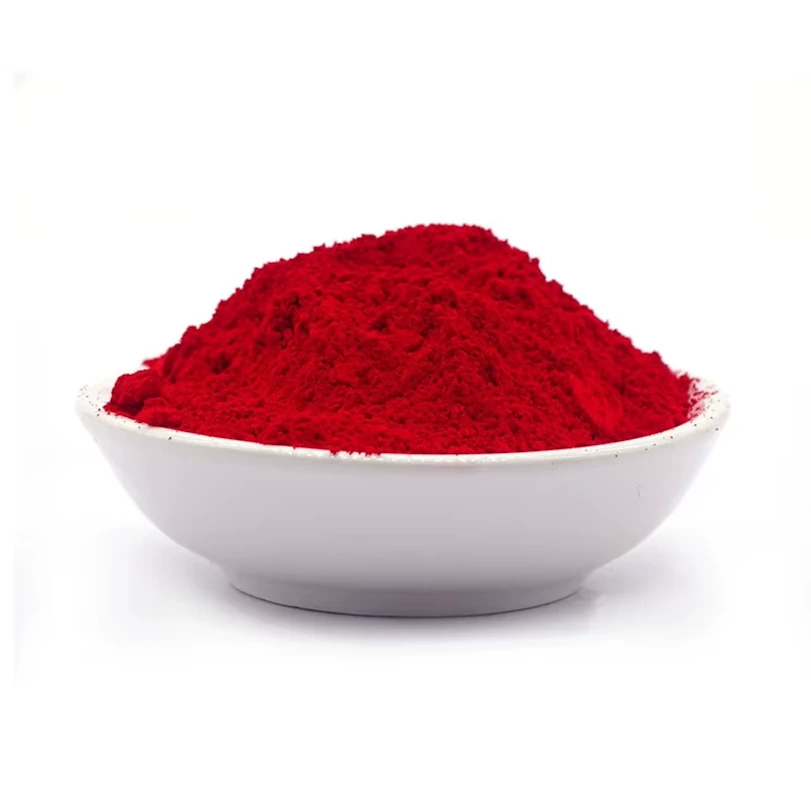
Alizarin is an organic red dye derived from madder root that has been in use for centuries. Extracted from the roots of the madder plant, known scientifically as Rubia tinctorum, alizarin holds a historically significant place in textile and artistic dyeing. When it became possible to synthesize alizarin in the 19th century, it earned the distinction of being the first organic dye ever produced synthetically on an industrial scale.
The Chemical Structure of Alizarin
Chemically, alizarin is an anthraquinone compound. With a molecular formula of C14H8O4, pure alizarin appears as an orange-red crystalline solid. It has very low solubility in water but dissolves readily in organic solvents. When combined with different mordants — that is, fixing agents — it can produce a wide spectrum of colors. An aluminum mordant yields a bright red, an iron mordant produces purple-black tones, and a chrome mordant results in deep brown shades. Alizarin red, with its remarkable color versatility, has been valued as a multipurpose dye in both textile and artistic applications.
The Historical Use of Alizarin
The history of alizarin's use stretches back thousands of years. Research conducted on ancient Egyptian mummies has revealed that madder dye was already in use during that era. In medieval Europe, madder-based dye containing alizarin was one of the essential raw materials of the textile industry. In the Ottoman Empire, madder was a significant export commodity — the deep red color derived from alizarin, known as Turkish red, was highly sought after across Europe. In 1869, German chemists Carl Gräbe and Carl Liebermann succeeded in synthesizing alizarin for the first time, a development that ultimately brought an end to madder farming.
Alizarin in Art
Alizarin has been used as an important pigment source in painting. The oil paint pigment known as alizarin crimson has appeared on the palettes of many master painters from the Renaissance to the present day. However, this pigment has limited lightfastness and tends to fade over time. For this reason, contemporary painters generally prefer more permanent synthetic alternatives. In sculpture, alizarin does not appear as a direct material but rather as a coloring agent used in painting and patination processes.
Alizarin Today
Today, alizarin is actively used not only as an art material but also in the fields of chemistry and biology. By staining bone tissue and making it visible, alizarin serves as an important laboratory tool in biological research. In the textile industry, synthetic alizarin derivatives continue to be widely used. Among artists and craftspeople interested in natural dyeing, madder — and by extension alizarin — has been experiencing a notable revival in popularity.
Date Added: