What is Achromatism?

Achromatism is a concept that defines a visual approach consisting only of black, white, and gray tones, carrying no color elements. Derived from the Greek words "a" (without) and "khroma" (color), this term carries different meanings in optical science and art theory. While in the world of art and design, achromatism expresses a colorless aesthetic language, in the field of optics, it defines the feature of a lens to correct chromatic aberrations.
Achromatism in Art
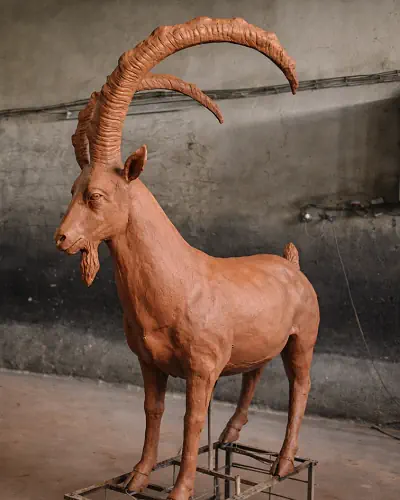
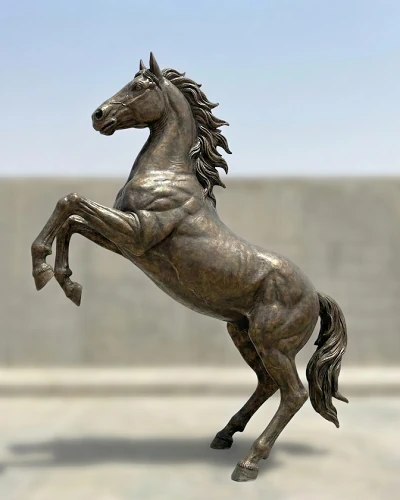
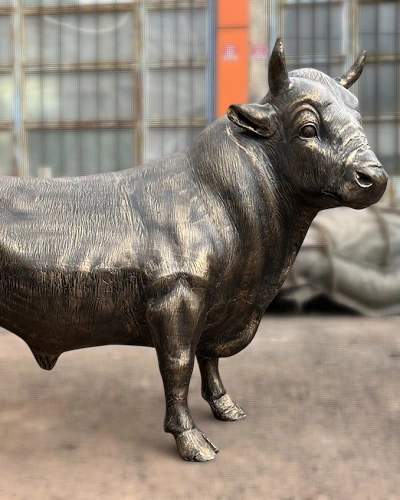
In terms of sculpture and plastic arts, achromatism is a highly significant concept. Traditional sculpture materials such as bronze, marble, granite, and concrete naturally possess an achromatic appearance. The surface texture between the black, white, and gray tones of these materials can create a rich visual depth through the play of light and shadow. Achromatic sculpture allows form, proportion, and surface texture to come to the fore without the distraction of color; this feature brings the most fundamental expressive power of the sculpture to the surface.
The Relationship Between Achromatism and Minimalism
Achromatism shares a particularly strong bond with the minimalist art movement. Minimalist sculptors have focused on the purity of form and spatial relationships by consciously excluding color. Richard Serra's massive steel sculptures and Donald Judd's geometric structures are among the best-known examples of achromatic minimalism. In these works, the absence of color is not considered a deficiency but a conscious choice and a powerful tool for aesthetic expression.
Optical Achromatism
In optical science, achromatism refers to a solution developed to eliminate the problem of color fringing, known as chromatic aberration in lenses. Achromatic lenses, created by using glass types with different refractive indices together, bring all color wavelengths to the same focal point. This technology is widely used in optical devices such as cameras, telescopes, and microscopes. In terms of art photography, achromatic lenses are preferred to produce sharp and accurate images free from color distortions.
Achromatism and Black and White Photography
The concept of achromatism is also directly related to black and white photography. With the elimination of color, composition, light, texture, and form come to the forefront. This situation is especially meaningful in sculpture photography; in an achromatic image, the surface texture of a marble bust or the light and shadow play of a bronze figure emerges in all its glory instead of being lost against color. For this reason, many sculpture catalogs and art books prefer black and white photographs.
Date Added: