Timur Statue - Uzbekistan Tashkent
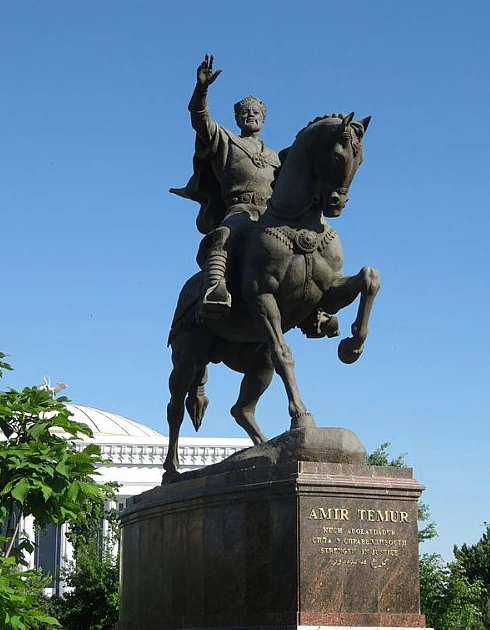
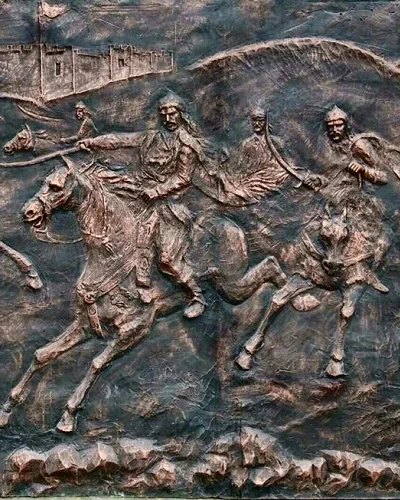
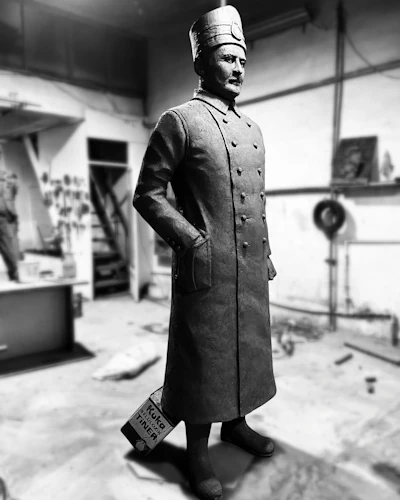
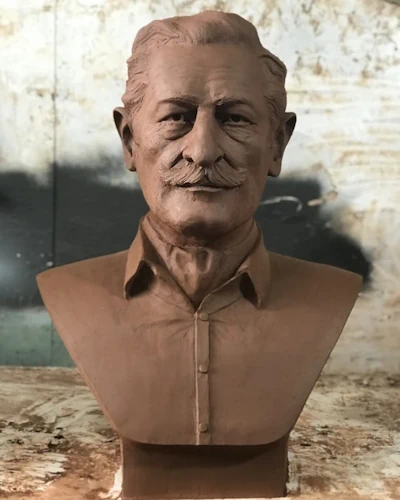
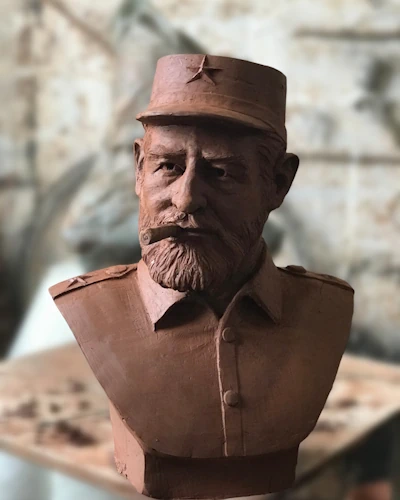
In the heart of Tashkent, in one of the most magnificent squares of this city built upon layers of time, the Timur Statue rises. This bronze figure on horseback represents not merely a ruler, but an era that altered the course of Central Asian history. Timur has become the most frequently invoked historical figure in Uzbekistan's modern identity-building process. Yet this choice is not purely symbolic his legacy continues to exert a profound influence on the region's geography and culture to this day.
Timur's Historical Legacy
Emir Timur established a vast empire centered on Samarkand in the second half of the 14th century. This empire, stretching from Anatolia in the west to the borders of India in the east, left its mark on history not only through military might but also through its patronage of science, architecture, and the arts. Samarkand and Bukhara rose to become among the most brilliant cultural centers in the world during the Timurid era. The observatory and school of astronomy founded by Timur's grandson Ulugh Beg stand as a tangible continuation of this intellectual heritage. At the same time, the fact that Timur was referred to in Western sources as Tamerlane, and that his conquests caused widespread destruction, is equally a part of history.
From the Soviet Era to a National Symbol
What is particularly striking is that during the Soviet period, Timur was dismissed as a feudal warlord. The very spot in Tashkent's square where the Timur Statue stands today was previously occupied by a statue of Marx. When Uzbekistan gained independence in 1991, this change was not merely a symbolic gesture it signified a redefinition of national consciousness. Timur was elevated to the founding myth of an independent Uzbekistan, and his name today is a reference point encountered constantly in schools, on street signs, and at state ceremonies.
The Surroundings of the Statue in Tashkent
Timur Square, where the statue is located, is one of the most well-maintained and representative corners of Tashkent. The cohesive ensemble formed by the landscaping, walking areas, and the nearby Timur Museum offers visitors not merely a monument tour but a comprehensive introduction to Central Asian history. The artifacts on display in the museum miniatures, manuscripts, and weapons from the Timurid period carry the tangible traces of this history.
Date Added: