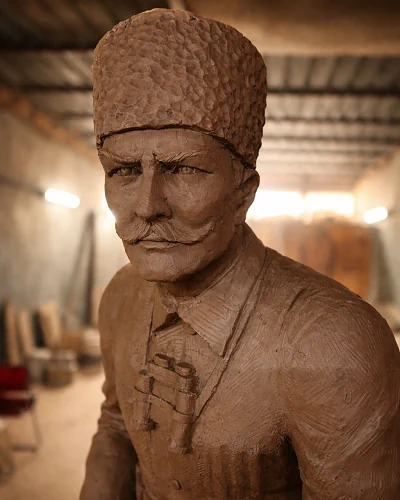
Sundiata Keita Statue - Guinea - Conakry
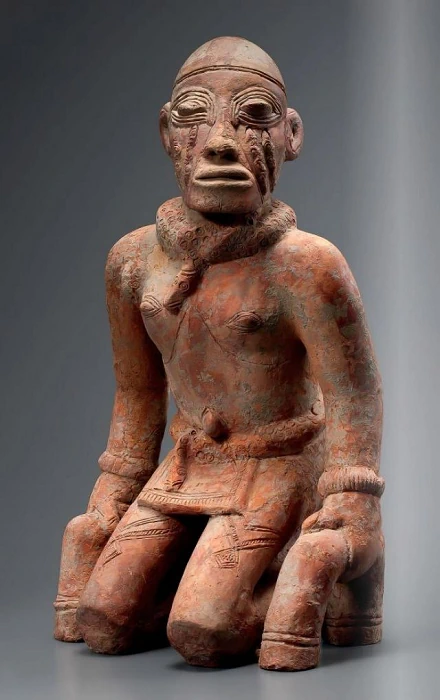
In the heart of West Africa, Conakry, the capital of Guinea, is not just a modern port city but also a center carrying the traces of a deep-rooted history and legendary heroes. One of these heroes is Sundiata Keita, the founder of the Mali Empire and one of the most important figures in West African history. In Conakry, statues and monuments honoring this great leader are an integral part of the city's cultural landscape.
Sundiata Keita was a legendary leader who lived in the 13th century and succeeded in establishing an empire through his perseverance and leadership qualities despite the hardships he faced in his childhood. His story has been passed down from generation to generation by griots, the oral tradition of West Africa, and has reached the present day. Conakry is a city that keeps Sundiata Keita's legacy alive and sees him as an important part of modern Guinean identity. The statues located in the city's squares and public spaces symbolize the courage, wisdom, and sense of justice of this great Lion King. These monuments not only remind us of the past but also serve as important symbols that inspire the Guinean people, reinforce national pride, and strengthen cultural identity.
Sundiata Keita: A Legendary Journey from Childhood to Empire
Sundiata Keita was born around 1217 as the son of Naré Maghann Konaté, one of the leaders of the Mandinka people. His childhood was spent struggling with a physical disability; according to legends, he could not walk for many years. This situation caused him to be excluded and despised at an early age. However, despite these difficulties, Sundiata did not lose his determination and developed his inner strength and intelligence. With the support of his mother, Sogolon Condé, he received training in hunting, war strategies, and Mandinka traditions. The knowledge and skills he acquired during this period laid the foundations for his future leadership.
The turning point in Sundiata's life began when he was sent into exile as a result of his stepmother's intrigues. The years of exile allowed him to get to know different cultures and meet various warriors and leaders. The experiences he gained and the alliances he formed during this process shaped his vision for establishing a future empire. When Sundiata returned from exile, he had to face Soumaoro Kanté, the Sosso King who occupied Mandinka lands and oppressed his people. The Battle of Kirina, which took place in 1235, resulted in a decisive victory for the Mandinka army under Sundiata's leadership, and this victory marked the beginning of the establishment of the Mali Empire. With this victory, Sundiata Keita took the title "Mansa," meaning "King of Kings," and became the first ruler of the Mali Empire. His story has become a universal symbol of overcoming obstacles, leadership, and the quest for justice.
His Legacy in Conakry: Statues, Monuments, and National Identity
Since Guinea hosts a significant portion of the historical lands of the Mali Empire, it places great importance on the legacy of Sundiata Keita. In the capital, Conakry, there are various monuments and statues honoring this great leader. These statues are usually located in the city's major squares, near government buildings, or in cultural centers. Sundiata Keita is one of the important symbols of Guinea's national identity and the Pan-Africanism movement. His story has been a source of inspiration in the Guinean people's struggle for independence and in ensuring national unity.
The statues of Sundiata Keita in Conakry usually depict him as a powerful, dignified, and leading figure. Depicted holding a spear or a bow, and dressed in lion skin or traditional royal attire, Sundiata instills strength and courage in his people. These statues not only commemorate a historical figure but also emphasize Guinea's rich cultural heritage and the important role of the African continent in world history. Monuments located in public spaces, especially such as "Place des Martyrs" (Martyrs' Square), were built to reinforce national pride in the post-independence period of Guinea and to introduce historical heroes to younger generations. Sundiata Keita's legacy lives on in Conakry not only in stone and bronze but also in the memory of the people and in cultural events.
The Statue of Sundiata Keita: Artistic Expression and Symbolic Meaning
The Statue of Sundiata Keita in Conakry also carries deep artistic meanings. The design of the statue has been carefully crafted to reflect both Sundiata's physical strength and spiritual depth. Usually made of bronze or other durable materials, these statues also showcase Guinea's artistic talents and cultural richness. The posture of the statue usually symbolizes the determination of a warrior leader and the resolve to protect his people. The nickname Lion King emphasizes his courage, strength, and leadership qualities, and these features are often stylized and incorporated into the statues.
The location of the statue usually has strategic importance. Being in a place where the public can easily reach and see it ensures that Sundiata's legacy spreads to the entire society. These statues serve as a role model, especially for the younger generations of Guinea. They teach them not to give up in the face of difficulties, to develop leadership qualities, and to protect their own culture. The Statue of Sundiata Keita also plays an important role in Guinea's international promotion. It offers the opportunity to introduce the richness of African history and the great leaders raised by this continent to visitors. These statues show that Sundiata Keita is more than just a historical figure; he is a living symbol of modern Guinea's identity and pride striped.
Date Added: