Statue of Cyrus the Great - Pasargadae, Iran
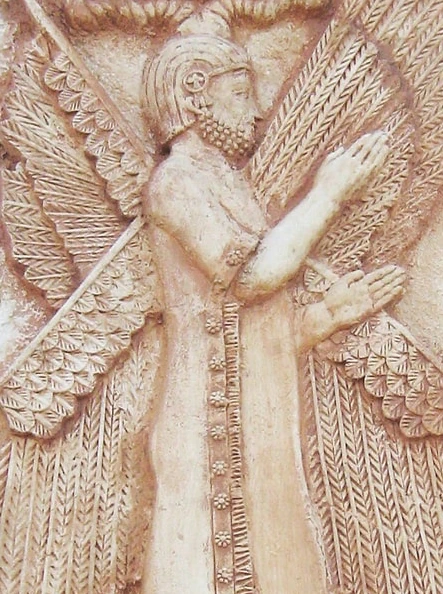
Pasargadae is an ancient settlement located in the Fars province of Iran and inscribed on the UNESCO World Heritage List. These ancient lands, which served as the first capital of the Persian Empire in the 6th century BC, attract visitors from all over the world today for both their archaeological significance and the monuments they house. One of the most striking of these monuments is the Statue of Cyrus the Great. The statue rises at the very heart of the ancient city, near the tomb of Cyrus, offering visitors a powerful experience both aesthetically and historically.
One of the most striking features of the statue is the way it portrays Cyrus with extraordinary grace. The figure is depicted in traditional Persian attire, wearing the characteristic Persian crown, in an exceptionally dignified posture. The scale of the statue makes a deep impression on visitors; its larger-than-human proportions are emblematic of Cyrus's historical greatness and the magnificence of his empire. The materials used and the craftsmanship reveal that the work was designed to withstand the elements in the open air for many years.
Location and Surroundings of the Statue
The statue of Cyrus at Pasargadae is one of the most impressive stops visitors encounter while touring the ancient city. The area surrounding the statue lies within a vast archaeological landscape adorned with palace ruins, column bases, and water channels from the early period of the Persian Empire. This context transforms the statue from a standalone work of art into a part of a much greater history. Standing before the statue of Cyrus, visitors feel that they are simultaneously standing on the traces of one of the world's oldest and greatest civilizations.
The Pasargadae site where the statue is located lies approximately 87 kilometers from the city of Shiraz in Iran. The site is visited by thousands of domestic and foreign tourists every year. For Iranians in particular, Pasargadae is not merely a tourist destination; it is one of the most powerful symbols of national identity and ancient civilization. In this context, the statue of Cyrus transcends being a mere monument; it functions as a visible gateway to Iran's thousands of years of history and cultural depth.
Cyrus the Great: The Leader the Statue Depicts
The figure portrayed by the statue is Cyrus II, born around 600 BC and the founder of the Persian Empire. Having established a vast empire stretching from the Aegean shores in the west to Central Asia in the east, Cyrus is considered one of the greatest conquerors in history. However, the most important quality that sets him apart from other conquerors is the respect he showed for the religions, languages, and traditions of the peoples he conquered. His liberation of the Jewish people from captivity following the conquest of Babylon in 539 BC, and his granting of freedoms to peoples through the document known as the Cyrus Cylinder, places him in a unique position in history. The statue at Pasargadae is a lasting monument to this visionary leader.
Cultural and Tourist Significance of the Statue
The statue of Cyrus at Pasargadae is an integral part of one of Iran's most visited cultural sites. Its location within this UNESCO World Heritage Site significantly enhances the statue's international recognition. The Iranian government and cultural institutions carry out regular work to preserve the site and provide visitors with the best possible experience. Commemorative ceremonies and cultural events held before the statue demonstrate the vitality of Cyrus's legacy within Iranian society. For every traveler who visits Pasargadae, this statue is not merely a photo stop; it is a moment of confrontation with one of the deepest pages of human history.
Date Added: