Peter Pan Statue - New Zealand Wellington
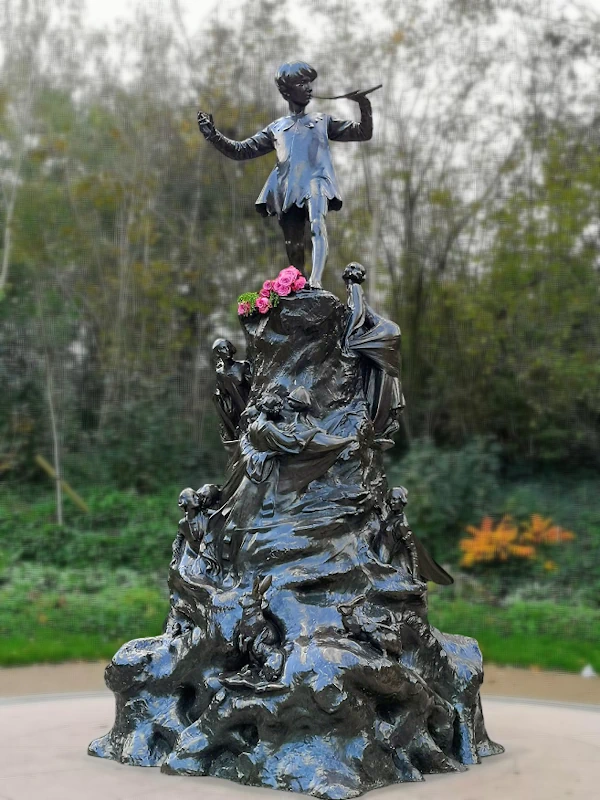
Wellington, the capital of New Zealand, is a small but energetic metropolis that has earned a reputation as one of the windiest cities in the world. In this city, known for its passion for culture, art, and cinema, an unexpected guest greets you in a quiet corner of the Botanic Garden: Peter Pan. The boy from Neverland, who ran away so he would never grow up, stands cast in bronze in a green corner of Wellington; wings spread, ready to fly. This statue has become one of Wellington's touristic symbols, but the story behind it carries layers much deeper than the magical world of childhood.
The Origin of the Peter Pan Story
Peter Pan was created by the Scottish author J.M. Barrie. The character first appeared as a short section in the 1902 novel "The Little White Bird," and then spread to the whole world with the stage play produced in 1904. With the novel "Peter and Wendy" published in 1911, Peter Pan became one of the lasting classics of children's literature.
When read superficially, the story might seem like a simple adventure narrative: a boy who can fly, lives in Neverland, and does not want to grow up. However, the themes Barrie explores in this story are highly layered: the inevitability of growing up, the loss of innocence, the longing for a mother figure, and the conflict between fantasy and reality. This story, thought to be shaped by Barrie's own childhood trauma, has managed to survive for over a century without ever aging.
The Story of the Statue in Wellington
The Peter Pan Statue in the Wellington Botanic Garden is a replica of the famous original in London. The original statue was placed in Kensington Gardens in 1912 and was created by the sculptor Sir George Frampton. J.M. Barrie personally supported the creation of this statue and determined its location in the Park himself; he wanted children to wake up in the morning and be surprised by the statue as if they had seen a fairy there.
The replica in Wellington was cast true to the original and brought to New Zealand's capital. In the serene and green atmosphere of the Botanic Garden, Peter Pan stands on his pedestal as if caught in a moment of free flight; surrounded by small fairies and animals depicted in relief. This aesthetic composition proves how powerful an effect can be created when the art of sculpture meets children's literature.
The Meeting of Peter Pan and Wellington's Cultural Identity
Wellington is a city that rightfully holds the title of New Zealand's cultural capital. The Te Papa Tongarewa national museum is a world-class institution housing a wide range of collections from Maori culture to contemporary art. The city's vibrant theater scene, film festivals, and independent art galleries make Wellington one of the most unique cultural centers in Australasia.
In terms of passion for cinema, Wellington holds a special place worldwide: as the base where Peter Jackson's Lord of the Rings and Hobbit trilogies were filmed, Wellington has become the global center of fantasy cinema. In this context, the Peter Pan Statue is not a coincidental guest for Wellington; it is a natural extension of the value the city places on imagination and fantasy. Flying children and heroes who do not grow up are themes woven into Wellington's cultural DNA.
The Wellington Botanic Garden and the Surrounding Experience
The Wellington Botanic Garden, where the Peter Pan Statue is located, is an extremely calm and well-maintained green area despite its proximity to the city center. Spanning over 25 hectares, this garden offers visitors a multi-layered experience with native New Zealand plants, tropical greenhouses, and rose gardens. Accessible by cable car or on foot, the garden is an ideal break point for those wanting to escape the city's hustle and bustle.
The Peter Pan Statue is a highlight of the Botanic Garden visit, especially for families with children. Playgrounds and picnic areas located near the statue complete this experience. For foreign tourists visiting Wellington, finding the statue turns into a small discovery adventure of its own: this bronze figure, appearing suddenly as you progress through the garden paths, creates an effect of unexpected surprise. This moment of surprise aligns with the childlike wonder J.M. Barrie imagined for the original statue in Kensington Gardens years ago; it is as if the author has managed to send a message across a century.
Date Added: