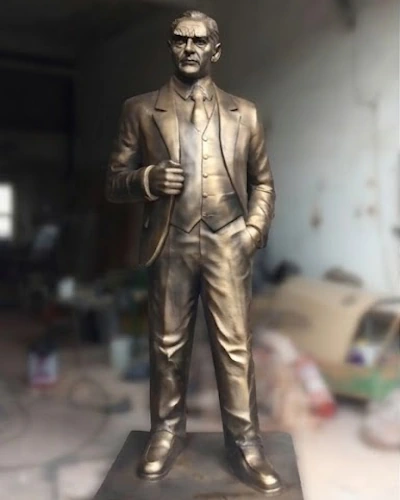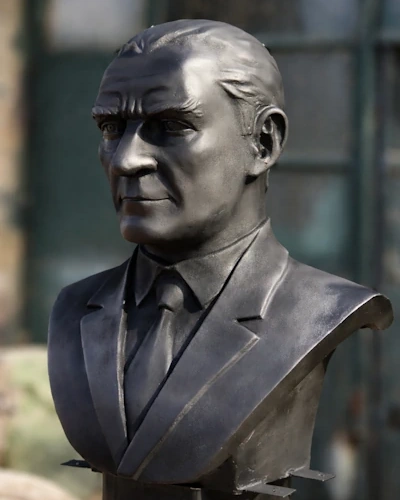
Francisco Solano Lopez Statue - Paraguay - Asuncion
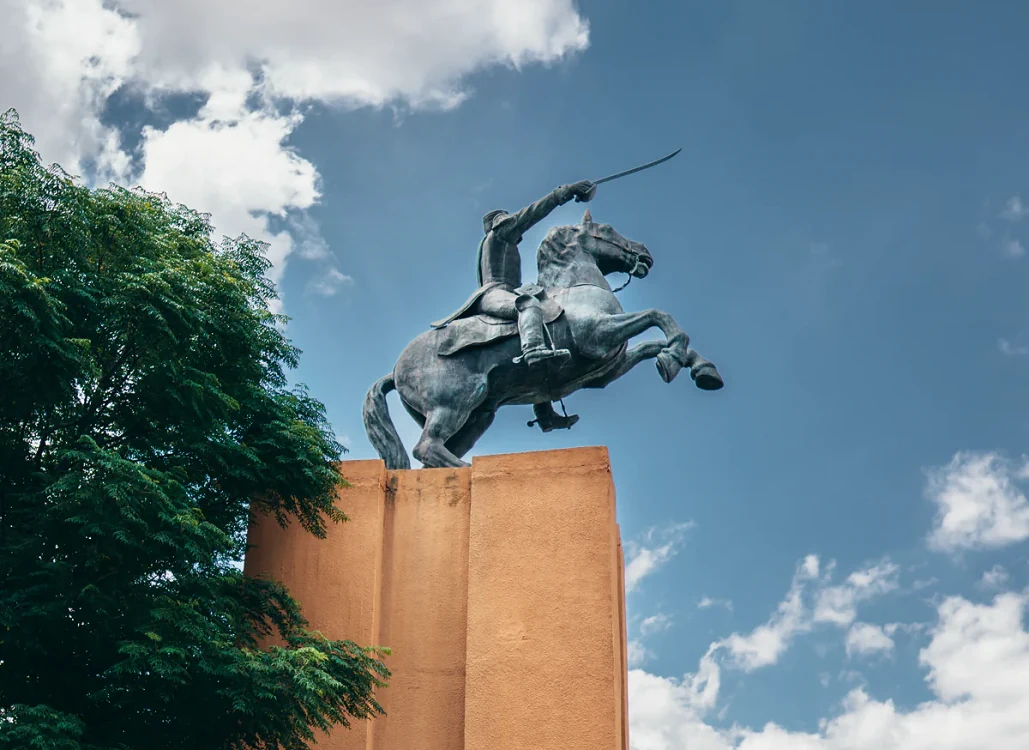
Located in the heart of South America, Paraguay's capital Asuncion is a city that deeply captivates its visitors with its historical texture and national symbols. Among these symbols, one of the most striking is undoubtedly the equestrian statue and monument of Marshal Francisco Solano Lopez. Rising majestically in the center of the city, this structure is not merely a statue — it is a powerful symbol representing the identity, resilience, and national pride of the Paraguayan people.
Who Was Francisco Solano Lopez?
Francisco Solano Lopez Carrillo was born on July 24, 1826 or 1827, in Asuncion. Paraguay's second president, Lopez served from 1862 until his death in 1870, spending much of that time engaged in the conflict known as the Paraguayan War. Succeeding his father Carlos Antonio Lopez in state governance, Francisco Solano Lopez distinguished himself in both military and political arenas from a very young age.
Thanks to the military training he received in Europe, Lopez became well-versed in contemporary military strategies, an experience that also shaped his grand ambitions for Paraguay. Sent as ambassador to England, France, and the Kingdom of Sardinia between 1853 and 1855, Lopez strengthened his country's army by purchasing modern weapons and military equipment from Europe. This vision made him both one of the most remarkable leaders of his era and one of its most controversial figures.
The Triple Alliance War and the Tragedy of a Nation
In 1864, viewing Brazil's intervention in Uruguay's internal conflict as a threat to regional stability, Lopez declared war first on Brazil and then on Argentina, which refused to allow Paraguayan troops to pass through its territory. These developments triggered the War of the Triple Alliance, with Brazil, Argentina, and Uruguay on one side and Paraguay standing alone on the other. Considered one of the most devastating wars in Latin American history, this conflict shook Paraguay profoundly in demographic and economic terms.
Killed in the Battle of Cerro Cora on March 1, 1870, Lopez holds the distinction of being the only Paraguayan president to die in battle. His last words are said to have been "Muero por mi patria" — meaning "I die for my homeland" or "I die with my homeland." This ending transformed him into a legendary figure and was etched into the memory of an entire nation.
Features and Location of the Statue
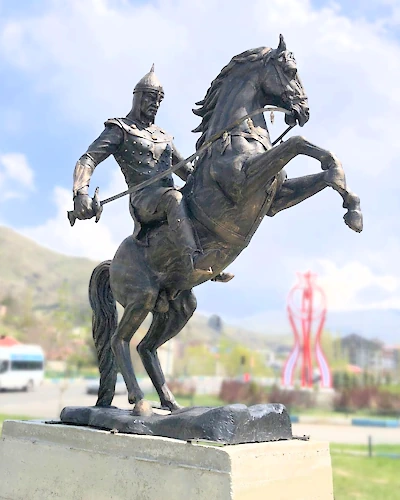
The equestrian statue of Marshal Francisco Solano Lopez, located in the center of Asuncion, continues to be one of the city's most recognized landmarks. This bronze statue, depicting Lopez standing upright on horseback, portrays him as a powerful and determined commander. The square where the statue is situated still serves as a gathering point for important national ceremonies today.
The arrangement surrounding the monument offers visitors the opportunity to both relax and come face to face with history. A stop that tourists visiting Asuncion rarely skip, this site is an extremely valuable landmark for anyone wishing to understand Paraguay's political and cultural history. The landscaping around the statue has been designed in harmony with the city's historic center, lending the structure an additional aesthetic value.
National Heroism and Collective Memory
Lopez is recognized as Paraguay's greatest national hero, and his remains are kept in the National Pantheon of Heroes in Asuncion. Celebrated every year on March 1st, "Dia de los Heroes" — Heroes' Day — is a national commemoration event held in his memory and ranks as the country's most important public holiday after Independence Day.
Lopez's portrait appears on Paraguay's 1,000 Guarani banknote, a concrete testament to how deeply he is intertwined with the national identity. Military ceremonies, parades, and the majority of official state events take place at this symbolic location where the statue and the Pantheon stand. In this way, the statue moves far beyond being a mere structure of stone and bronze and becomes the center of a living national ritual.
A Controversial Legacy
The legacy of Francisco Solano Lopez continues to be the subject of different interpretations among historians and Paraguayan society. Some view his ambitions as the primary factor behind the outbreak of the war, while others describe him as a leader who defended the independence of South American nations against foreign interference and interests. This duality both enriches and keeps alive the historical debate that has formed around the statue.
Lopez's official recognition as a national hero took place during Colonel Rafael Franco's presidency between 1936 and 1937; prior to this date, liberal governments had opposed his adoption as a heroic figure. Today, however, beyond these debates, the statue stands in the city's skyline as a shared value of all the Paraguayan people.
Practical Information for Visitors to Asuncion
The Francisco Solano Lopez Statue is located in Asuncion's historic city center, within close proximity to other important landmarks. Situated within a short walking distance of the National Pantheon of Heroes, the Paraguayan National Palace, and the historic cathedral, the statue lies along the ideal route for the city's walking tour. Visiting in the early morning hours or in the afternoon light offers the most rewarding experience both for photography and for fully absorbing the historic atmosphere.
For travelers wishing to explore Paraguay, this statue is not merely a photo stop — it is a critical starting point for understanding the soul of a nation. Understanding Lopez's story, the devastating impact of the Triple Alliance War, and how Paraguay was reborn from this heavy toll allows visitors to see Asuncion and its people from a much deeper perspective.
Date Added: