Architectural Relief Sculpture Price and Sales
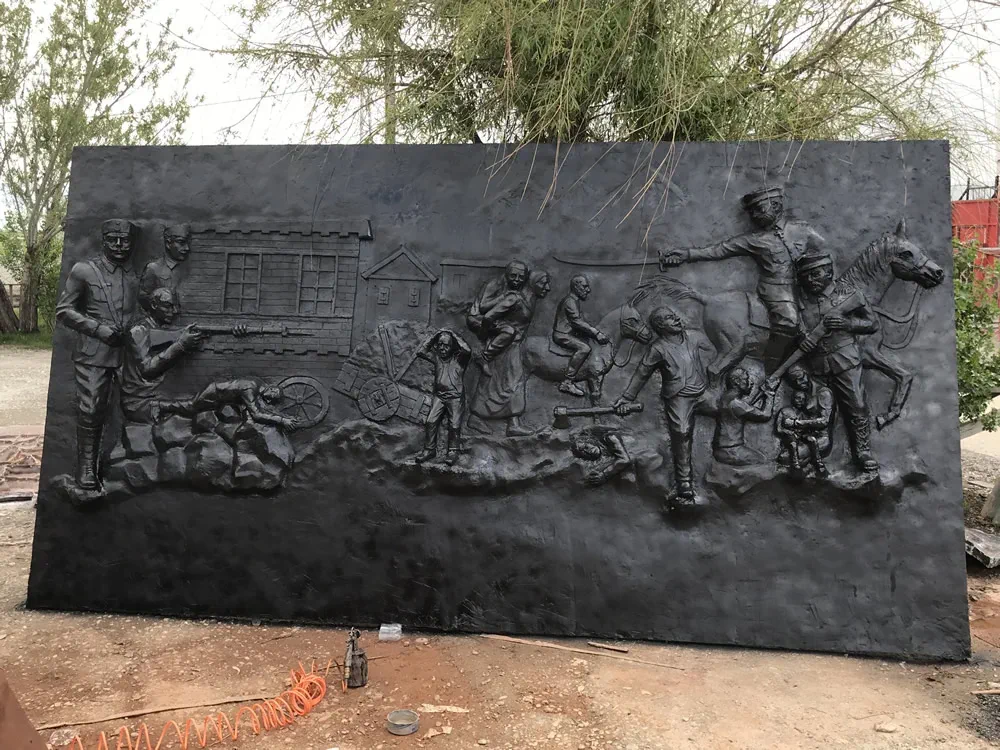
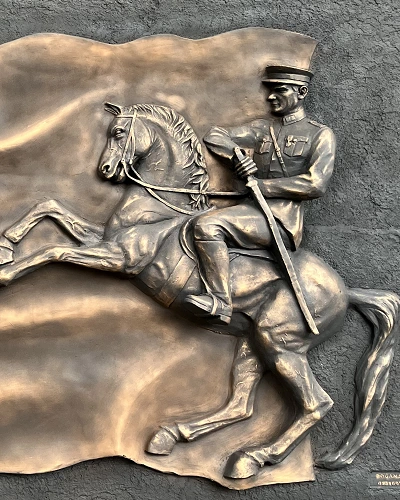
Architectural relief sculpture is one of the most deeply rooted sculpture techniques in history, where figures and scenes are processed three-dimensionally onto a surface. The work in the image clearly demonstrates how powerful a narrative tool this art form is. This multi-figured composition processed onto a wide panel masterfully conveys war, migration and dramatic social moments. Horses, soldiers, civilians and structures form an interconnected scene on the same surface, drawing the viewer into history. Architectural relief sculpture is not just a decorative element; it is a powerful art form that makes historical and social memory permanent.
What Is Architectural Relief Sculpture?
Relief sculpture is the name given to the sculpture technique where figures or scenes are processed to protrude forward from a flat surface. Architectural relief covers large scale applications of this technique integrated into building facades, monument walls, bridge piers and urban spaces. There are differences in terms of depth and protrusion amount between low relief, also known as bas-relief, and high relief. While figures are processed close to the surface and shallowly in low relief, a depth much closer to three-dimensionality is achieved in high relief. The work in the image is an impressive example of the high relief technique.
Relief Sculpture Throughout History
Relief sculpture, also known as relief sculptures, is one of the oldest artistic forms of expression in human history. This technique has been used extensively in many civilizations, from ancient Egyptian temple walls to Roman triumphal arches, from Greek friezes to Ottoman tile panels. The need to transfer critical moments of history, wars, migrations and social transformations onto a permanent surface has made relief sculpture important in every era. This technique continues to be actively used today for monuments, museums, municipal buildings and public structures.
Materials Used and Production Techniques
Architectural relief sculptures have historically been produced with stone, marble and bronze. However, fiberglass and special composite materials have revolutionized this field today. Fiberglass relief sculptures can present the visual impact of stone and bronze with a much lighter and more portable structure. This provides a significant advantage especially in large scale architectural projects. During the production process, a preliminary model is first prepared on clay or polyurethane foam, then the molding process is carried out. The raw work coming out of the mold reaches its final appearance by going through surface treatment and coating stages.
Multi-Figured Composition and Narrative Power
One of the most striking elements in the work in the image is that a large number of figures have been skillfully brought together within a single composition. Soldiers, civilians, children, animals and architectural structures tell a story on the same panel. Multi-figured relief sculptures of this kind have a unique narrative power with their capacity to present dozens of details together in a single glance. The posture, facial expressions and relationship of each figure with other figures shapes the overall emotion of the composition. For this reason, multi-figured relief sculptures are considered among the most challenging and most prestigious sculpture forms in terms of design.
Areas of Use of Architectural Relief Sculpture
Architectural relief sculptures find application in many different fields. Large relief panels narrating historical scenes are frequently used on the exterior facades of municipal buildings, courthouses, cultural centers and museums. Memorial tombs, martyr monuments and victory monuments are also among the most common application areas of this technique. In addition, decorative relief sculptures that strengthen architectural identity are also preferred in hotel and residence projects, shopping center entrances and urban transformation projects. The use of relief panels conveying historical or cultural scenes in educational institutions and university campuses is also becoming increasingly widespread.
Size and Scale Options
Architectural relief sculptures can be produced in a wide scale range from small decorative panels to enormous monumental surfaces. The work in the image has been processed onto a wide panel exceeding several meters and is a typical example of monumental scale. As size increases, balancing the composition and processing each figure in the correct proportion requires greater technical expertise. While small scale reliefs are ideal for interior decoration, large scale ones are more suitable for exterior facade and urban space applications. In both cases, the design process must be carried out meticulously and detailed visual approval must be obtained before production.
Color and Surface Coating Options
The choice of surface coating in architectural relief sculptures directly affects the overall atmosphere of the work. The matte black coating applied in the work in the image creates a dramatic and serious effect, conveying the weight of history. Bronze patina, rust red, antique stone appearance, gold leaf and special color options are also widely preferred. UV resistant and water protective coatings should be preferred for relief sculptures to be used outdoors. In interior spaces, a wider color and coating flexibility is available. Coating selection should be determined in harmony with the architectural language of the project, ensuring an appearance integrated with the space.
Design Process and Project Management
Architectural relief sculpture projects require careful planning and disciplined project management. The process generally begins with a detailed briefing meeting with the customer. The subject to be conveyed, figures, composition layout and general atmosphere are clarified at this stage. Then 2D draft drawings are prepared and submitted for customer approval. After approval, a three-dimensional model is created in clay or digital environment and production is carried out according to this model. In large scale projects, the production process can take several months. At Heykel.org, we inform the customer at every stage and act with a transparent process management approach.
Architectural Relief Sculpture Order
For your architectural relief sculpture project, you can fill out the order form in the middle of the page, send a message via our WhatsApp line or submit your request through our contact page. Since every project is unique, price and production time are determined according to the scope of the project. Sharing reference images, space photographs and subject description speeds up the process. If you are considering placing a sculpture order, our expert team will contact you as soon as possible and offer a solution specific to your project.
Registration Date:
Rate:
5
1 Vote