Which Type of Sculpture is Right for Your Space and Purpose?
Determining Sculpture Types Based on Space and Purpose
For many, the first image that comes to mind when thinking of a sculpture is a classic bronze bust or a marble figure. However, the art of sculpture exists in a much broader spectrum. Whether it is figurative or abstract, indoor or outdoor, permanent or temporary—the answers to these questions play a decisive role in finding the right type of sculpture.
Which Type of Sculpture is Right for Your Space and Purpose?
The first step in choosing a sculpture is to clarify its purpose. Do you want to enrich a space aesthetically, or are you looking to convey a powerful corporate or personal message? In a decorative choice, form and color harmony take center stage, whereas in message-oriented selections, the content and symbolic meaning become the deciding factors. Searching for a sculpture without making this distinction often leads to fruitless or incorrect choices.
Figurative Sculptures: Familiar and Accessible
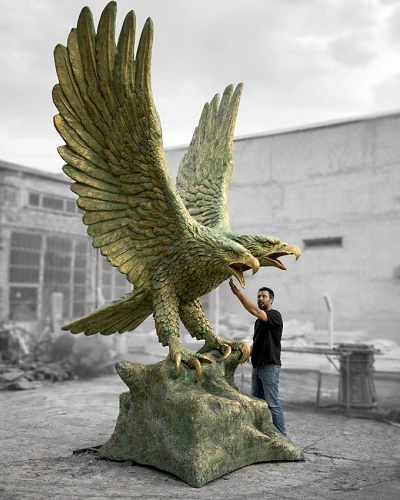
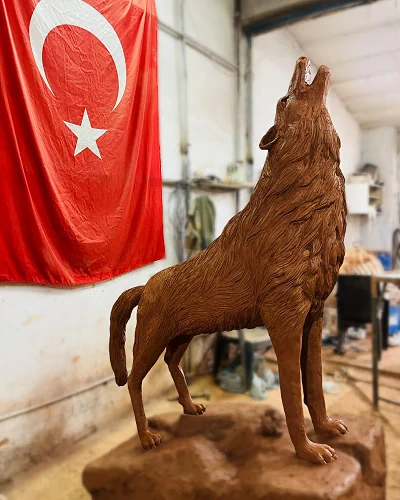
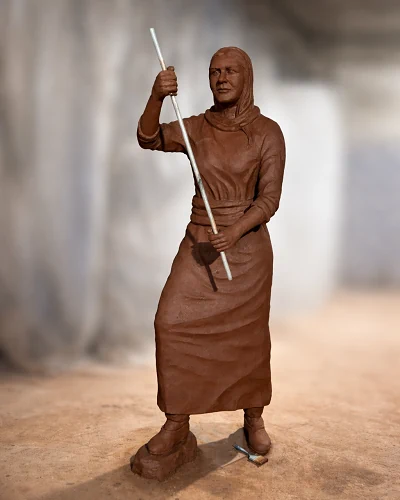
Figurative sculptures are works based on humans, animals, or recognizable objects. Since they appeal to a wide audience and are easy to interpret, they are frequently preferred in public spaces, corporate entrances, and traditional gardens. A figurative piece adds both meaning and human warmth to a space. On the other hand, since such sculptures are mass-produced and widely available in the market, opting for original and limited-edition works is a wiser choice, both artistically and as an investment.
Abstract Sculptures: Freedom of Interpretation and Contemporary Language
Expressing meaning through plastic values such as form, balance, movement, and texture—rather than representing a specific object or figure—is achieved through Abstract Sculpture. These works, which are highly compatible with modern and contemporary architectural structures, grant the viewer broad freedom of interpretation. When placed in the right setting, an abstract sculpture completes and enriches the environment; however, in the wrong context, it can appear meaningless and cold. Therefore, the architectural language of the space should be a primary criterion when selecting abstract works.
Monumental Sculptures: Power and Longevity
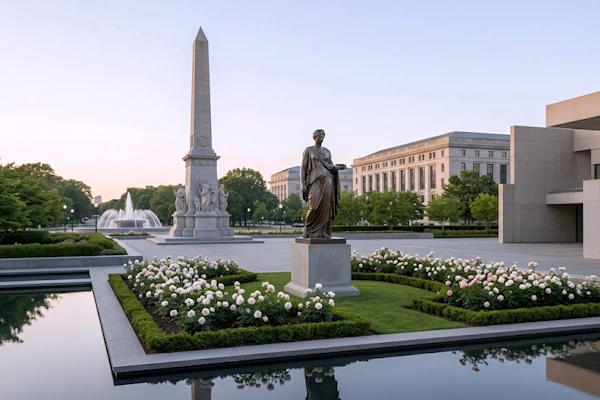
Monumental sculptures are generally large-scale, permanent works that carry a powerful message. Squares, corporate campuses, public buildings, and historical sites are the natural habitats for such sculptures. The selection and installation of a monumental piece require a much longer and more meticulous process, involving both engineering and art historical consultancy. In these types of works, material durability and ease of maintenance are prioritized.
Decorative and Garden Sculptures: Functionality Meets Aesthetics
Garden and outdoor sculptures form a distinct category of their own. In these works, alongside aesthetic concerns, resistance to external conditions is the primary priority. Bronze and granite are the standout materials in this category. Decorative garden sculptures should be chosen to form a cohesive whole with the vegetation, water elements, and ground surfacing. A sculpture that conflicts with the general design language of the garden will appear as a foreign element, regardless of its quality.
Installations and Temporary Works: Experience-Oriented Choices
In contemporary art, works referred to as installation sculpture are structures designed to create a dialogue with a specific space, often on a temporary basis. Produced for exhibition for a specific period rather than as a permanent collection piece, these works are preferred especially in corporate exhibition areas, art fairs, and architecturally unique buildings. Temporary installations add dynamism to a space and center the viewer's experience. This choice, based on impact rather than permanence, has become significantly widespread over the last decade.
Finding the right type of sculpture requires reading the space, the purpose, and the audience together. Once these three elements are clarified, the selection process becomes both shorter and more accurate. Ordering a sculpture without being informed on these matters can be risky, but the artists at heykel.org will certainly guide you through this journey.
Which Type of Sculpture is Right for Your Space and Purpose? FAQ
Figurative sculptures are based on recognizable subjects such as humans, animals, or objects, making them easily understood by a wide audience. For this reason, they are widely preferred in public spaces and institutional settings. Abstract sculptures, on the other hand, do not represent a specific figure or object; instead, they create meaning through plastic values such as form, balance, texture, and movement. With their open-ended nature, abstract works offer viewers a free and personal experience. When making a choice, the architectural language of the space, the target audience, and the intended message should all be considered as key criteria.
In corporate spaces, sculpture selection should reflect the institution's identity and values. For organizations seeking to convey a message of strength, determination, and prestige, monumental figurative sculptures are an ideal choice. Companies focused on technology, creativity, and innovation, on the other hand, tend to prefer modern abstract sculptures. The size and material selection for entrance areas, lobbies, and gardens are also of great importance. When the right choice is made, a corporate sculpture adds both aesthetic value and a powerful institutional identity to the space.
Durability is the most critical criterion in garden sculpture selection. Bronze stands out as the most durable sculpture material for outdoor use, having been employed for thousands of years. Demonstrating superior resistance to rain, sunlight, moisture, and temperature changes, bronze also increases in aesthetic value over time as it develops a natural patina. Natural stones such as granite and marble are also among the long-lasting options. Fiberglass, on the other hand, is a popular modern alternative frequently preferred for garden sculptures due to its lightweight nature and cost-effectiveness. With proper surface protection treatments, any material can maintain its durability for decades.
Abstract sculptures demonstrate the strongest harmony with modern and contemporary architectural styles. Minimalist structures, glass and steel-dominated office buildings, industrial conversion spaces, and contemporary residential projects are the natural environments for abstract sculpture. In modern architecture characterized by clean lines and plain surfaces, an abstract sculpture completes and strengthens the space. In contrast, in historical, classical, or traditional architectural settings, abstract sculpture may be perceived as a disconnected and foreign element. An abstract work placed in the right architectural context becomes the artistic element that most powerfully expresses the spirit of the space.
Decorative sculptures are primarily produced to complement a space aesthetically. These works, which can be obtained through mass production or mold replication, generally support the visual language of a specific interior or exterior setting. Artistic sculptures, on the other hand, are unique works created to express an original idea, emotion, or message. Each one is singular and carries the personal vision of the artist. While a decorative sculpture beautifies a space, an artistic sculpture adds meaning and depth to it. The choice between the two should be shaped by budget, purpose, and the character of the space.
The target audience is one of the most fundamental determining factors in sculpture selection. In public spaces serving a wide and diverse audience, preferring figurative and easily understood works facilitates the social acceptance of the sculpture. In spaces designed for an audience with strong art appreciation and cultural background, abstract and conceptual works create a more powerful impact. In areas designed for children and families, colorful, playful, and interactive sculpture solutions come to the forefront. Sculpture selections made without considering the target audience often create a disconnect between the space and the viewer, preventing the work from achieving its intended purpose.