What You Can Do When a Sculpture Ages and When to Call a Specialist
Expert inspection for maintenance and restoration of worn statues
Despite the most careful maintenance, signs of wear can appear on sculptures over time. At this point, the first question that comes to mind is: Can I do this myself, or should I take it to a specialist? The answer depends on both the value of the piece and the nature of the damage.
What You Can Do When a Sculpture Ages and When to Call a Specialist
First, it should be noted that any self-attempted intervention on a piece with collection or monetary value carries risk. Even the simplest cleaning process can leave permanent damage if the wrong product or technique is used. When it comes to valuable pieces, the best approach is always to consult a conservator first.
What You Can Do Yourself: Routine Cleaning and Surface Care
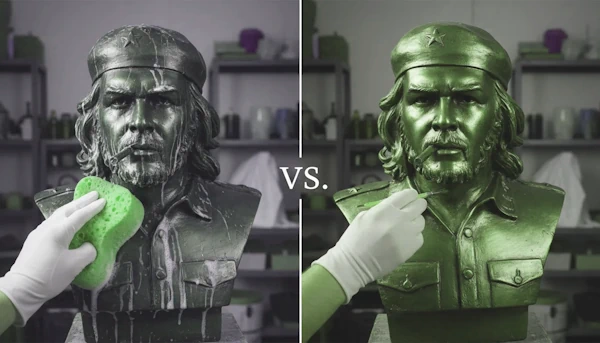
Simple dusting and surface cleaning can be done safely at home with the right materials. A soft microfiber cloth, pH-neutral soap, and plenty of water are enough for the daily cleaning of bronze, marble, and stainless steel pieces. Applying wax to bronze pieces once a year is also a maintenance task that can be handled by inexperienced hands, but choosing the correct type of wax and following the instructions precisely is essential. On marble surfaces, only a neutral cleaner should be used, and acidic products must be strictly avoided. We previously covered care instructions for you in detail.
What You Should Not Do Yourself
Gluing broken pieces, trying to remove surface stains with chemical solvents, cleaning rusted areas with sandpaper or a wire brush, and stripping old paint to repaint it are all interventions that require a specialist. Using the wrong adhesive can permanently damage broken surfaces. Chemical solvents can destroy the patina or penetrate the material's structure, causing damage from within. Such attempts often make the conservator's job much harder rather than solving the problem.
Situations That Require Specialist Intervention
Active corrosion, surface blistering, deep cracks, detached pieces, and damage threatening structural integrity definitely require specialist intervention. In addition, chemical stains on the surface, biological growth such as moss and lichen, and unidentified discoloration are also signs that the piece should be taken to a conservator. A specialist correctly diagnoses the nature of the damage, intervenes with the appropriate material and technique, and offers preservation recommendations to prevent the same issue from recurring in the future.
How to Find the Right Conservator
The material of the piece is the determining factor when choosing a conservator. Bronze and metal conservation, stone and marble conservation, and wood conservation are all distinct areas of expertise. University art history and restoration departments, museums, and art foundations are among the primary resources for finding experienced conservators in the field. Checking references and reviewing previous work are the most reliable ways to make the right choice.
The Importance of Preventive Maintenance
The best restoration is the one that is never needed. Regular and proper maintenance reduces the need for specialist intervention and helps preserve the value of the piece over the long term. Carefully examining the piece once a year, recording surface changes, and taking action at the first sign of a problem is the wisest approach both financially and for the integrity of the piece. Delaying maintenance does not solve the problem, it only makes it worse.
What You Can Do When a Sculpture Ages and When to Call a Specialist FAQ
When a statue ages, the first step is to correctly assess the nature of the damage. If there is only surface dust or dirt buildup, a simple cleaning with a soft cloth and a neutral cleaner may be enough. However, if there are cracks, broken pieces, rust, or discoloration, it is best to consult a specialist rather than attempting repairs yourself. Especially for pieces with collection or monetary value, a wrong move can cause permanent damage. Careful observation followed by the right course of action is always the safest approach.
Yes, depending on the type of statue and the extent of the damage, you can handle some maintenance tasks yourself. Simple dusting, wiping with a soft cloth, and surface cleaning with neutral soapy water can be safely done at home for most materials. Applying wax to bronze pieces once a year is also something you can do yourself if you choose the right product. However, tasks such as gluing broken pieces, using chemical solvents, sanding, or stripping paint definitely require a specialist. Interventions with the wrong material or technique can cause permanent damage to the structure, so consult a conservator whenever you are unsure.
Damage that threatens structural integrity, such as active corrosion, surface blistering, deep cracks, and detached pieces, definitely requires consulting a conservator. In addition, chemical stains on the surface, biological growth such as moss and lichen, and unidentified discoloration are also signs that call for professional inspection. Since even the smallest intervention carries risk for pieces with collection or monetary value, consulting a conservator first is always the safest option whenever you have any doubt. A specialist correctly diagnoses the damage and intervenes with the appropriate material and technique.
Trying to clean rust stains on a statue yourself with sandpaper or a wire brush can permanently damage the metal surface and remove existing protective layers. Rust stains usually appear on metal pieces exposed to moisture and, if not removed correctly, can deepen over time and threaten structural integrity. For this reason, once you notice rust, you should first identify the material correctly and then consult a metal conservator. A specialist removes rust without causing damage and can recommend a protective coating to prevent it from forming again. Attempting these methods yourself often makes the problem worse.
Cracks on a statue can pose a serious risk depending on their size and location. Surface-level, small cracks usually do not carry an immediate risk, but deep cracks can threaten the structural integrity of the piece and may lead to breakage or detachment over time. Cracks that appear in load-bearing areas in particular should be monitored closely and shown to a specialist as soon as possible. Attempting to repair them yourself with adhesive can cause permanent damage if the wrong product is used. A conservator accurately determines the depth and cause of the crack and applies the appropriate repair method.
Yes, incorrect cleaning methods can cause permanent and irreversible damage to a statue. Acidic cleaners can erode marble surfaces, while aggressive chemical solvents can destroy the patina on bronze pieces. Using sandpaper or a wire brush leaves deep scratches on metal surfaces, and the wrong type of wax can negatively affect the appearance of the piece. Such mistakes are usually impossible to undo and make the conservator's job even harder. For this reason, before any cleaning process you are unsure about, research the correct materials first, consult a specialist if needed, and never risk the value of the piece with untested methods.