Plaster Sculpture and Relief: Which Plaster Is Used in Sculpture Making?
Plaster is perhaps one of the most deep-rooted materials in the art of sculpture. Used by the Egyptians in pyramid construction thousands of years ago, this material still holds its place in artists' studios today. Lightweight, workable, and affordable, plaster is a material that neither professional sculptors nor those new to art can do without. So which plaster is used during sculpture and relief works, and what kind of process does this material go through from the plaster factory to the atelier?
Which Plaster Is Used in Sculpture Making?
Not every plaster yields the same result in sculpture making. Various types of plaster produced according to different hardness levels and intended uses are available on the market. Leading among these is fine powder plaster; it is preferred for work requiring detail thanks to its smooth surface texture and ease of shaping. Those seeking a harder and more durable result turn to high-strength plasters known as stone plaster or dental plaster. These types of plaster reach almost stone-like hardness once the hardening process is complete, resulting in long-lasting works. For mold-making, molding plaster, which hardens more slowly and captures details clearly, is generally used.
Plaster Factory: From Raw Material to Art
Before reaching the artist's atelier, plaster goes through a lengthy production process. In plaster factories, raw gypsum stone extracted from nature is fired at high temperatures to cause it to lose water. The powder obtained as a result of this process is classified and packaged according to certain quality standards. Turkey holds an important position at this point; the country, which possesses some of the world's largest gypsum reserves, also has a deep-rooted plaster factory tradition. Thanks to quality raw materials and advanced production techniques, Turkish plaster has become a preferred product both domestically and in international art and construction sectors.
What Is Plaster Relief?
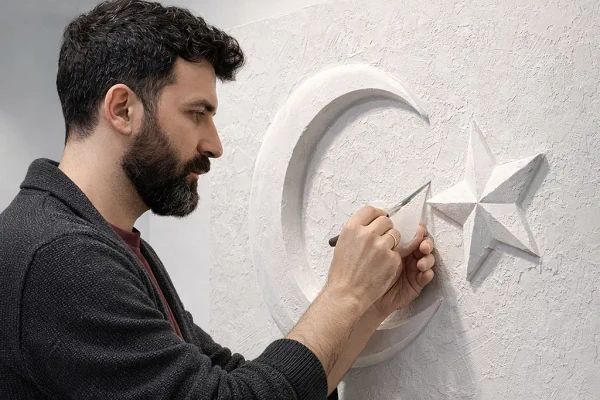
Relief is the art of creating a three-dimensional effect on a flat surface. Plaster relief is the version of this art brought to life using plaster. Applied to wall surfaces, panels, or freestanding boards, plaster relief finds a wide range of uses from architectural ornamentation to contemporary works of art. Ceiling and wall decorations frequently encountered in traditional buildings are among the best-known examples of plaster relief. Today, artists use this technique in a far freer and more experimental way. To create plaster relief, a special backing surface is prepared, after which the plaster is shaped while wet or cast with a mold and applied to the surface. Once hardening is complete, the work takes its final form through sanding and painting stages.
Plaster Sculpture: An Art Stretching from Tradition to the Modern Day
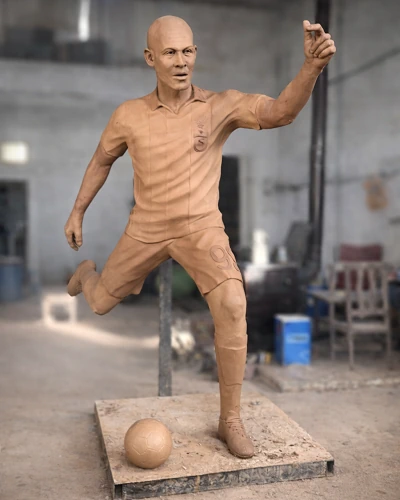
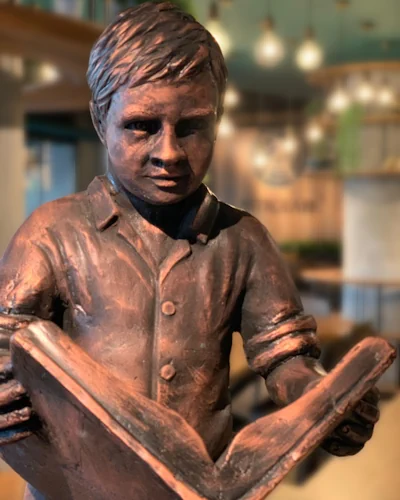
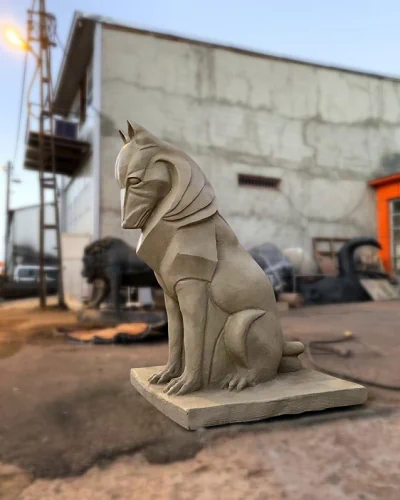
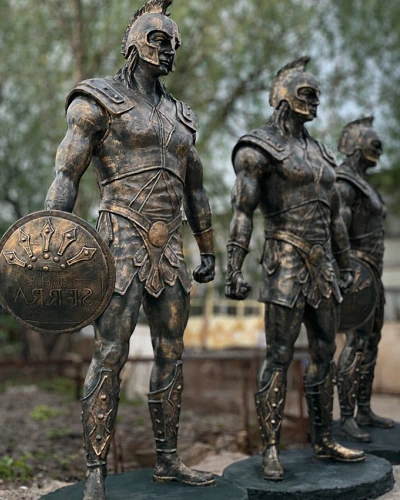
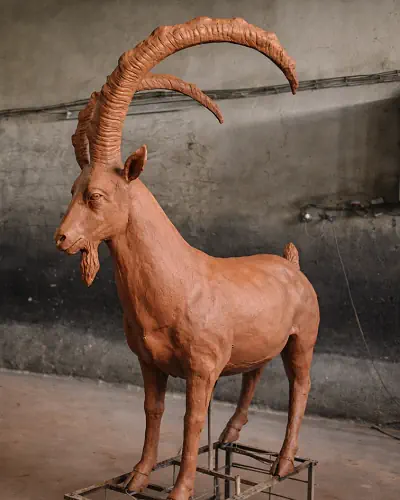
Plaster sculpture is a form that has found its place in every period of art history. It is known that during the Renaissance, great masters made trial sculptures from plaster before casting their works in bronze. The traces of this tradition continue today; many sculptors use plaster as a test material during the design process. However, plaster sculpture is no longer merely an intermediate stage it is an art form in its own right. Particularly in interior decoration and collectible works, plaster sculpture has attracted serious interest in recent years. Thanks to its lightness and ease of processing, even large-scale works can be produced with ease. Plaster sculpture, which can take on the appearance of bronze, stone, or wood through special paints and coatings applied to its surface, delivers aesthetically striking results while keeping costs low.
The Finer Points of Working with Plaster
Although plaster may appear to be a simple material at first glance, working with it demands genuine skill. Once mixed with water, the hardening process begins and this process is a one-way road. For this reason, getting the mixing ratio right, planning the timing well, and moving quickly are all essential. Artists who know that plaster releases heat as it hardens can turn this property to their advantage in mold work. Once hardened, plaster becomes quite brittle; for this reason, using a metal or wooden internal armature as support in large works is a must. In terms of surface finishing, plaster is an extremely generous material; any desired detail can be achieved with sandpaper, spatulas, and carving tools.
Date Added: | Last Updated: