3D Sculpture Making
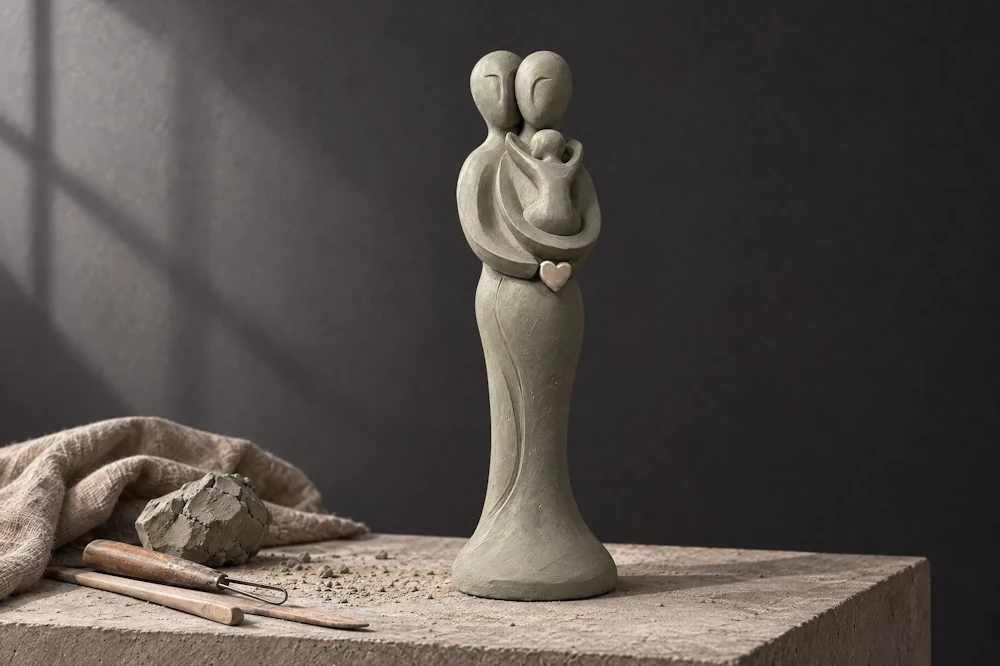
3D sculpture making is the art of turning an idea into a solid object that you can hold and view from every angle. A sculpture has height, width and depth, so most people who search for "3D sculpture" mean a full volume piece that can be seen from all sides. In this guide, we answer where to start sculpting with clay, which materials you need and which tips make the work easier. We also touch on the 3D sculpture machine and 3D sculpture prices.
What Is a 3D Sculpture?
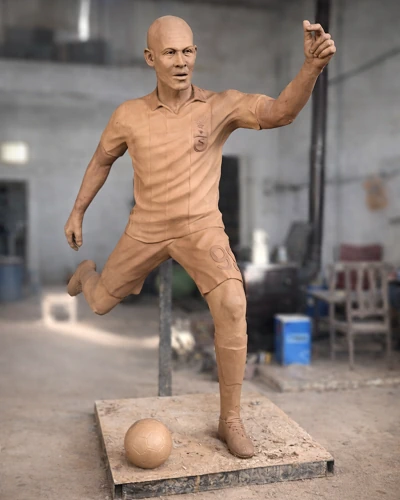
A 3D sculpture is an artwork that is not tied to a single surface and is viewed by walking around it. A mural or relief is viewed from one side, while a sculpture is read from the front, the side and the back. For this reason, a sculptor has to think about the whole form, not just one face. A sculpture can be made from many materials, such as clay, plaster, stone, marble, wood, bronze and resin. For beginners, the best material is clay, because it is cheap, easy to shape and allows mistakes to be fixed.
How to Start 3D Sculpture Making with Clay?
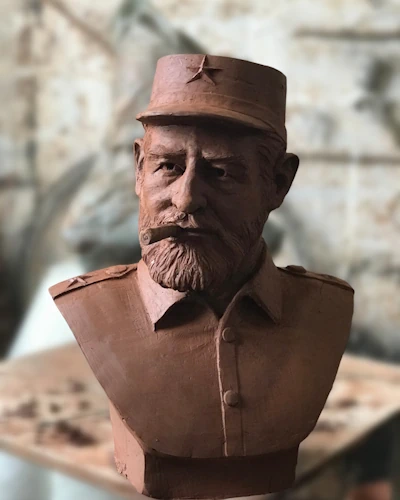
Before you begin, decide exactly what you want to make. For a first project, choosing a small bust, an animal figure or a simple human head is the best option. Starting with a large and complex sculpture makes many people give up halfway. After choosing your subject, collect reference photos taken from different angles and make quick sketches of the front, side and back. These sketches help you check the proportions while you work.
Choosing the right clay is also important. Oil-based clay does not dry out and can be worked for a long time, so it is preferred for making models and taking molds. Ceramic clay is dried and fired in a kiln, and it gives a permanent sculpture. Polymer clay is suitable for small figures and hardens in a home oven. Self-hardening clay needs no kiln, but it is more likely to crack. For beginners, ceramic clay or oil-based clay is a good choice.
Here is the basic list of materials and tools:
- Enough clay of your chosen type
- Sculpting tools (wooden and metal shaping tools)
- Clay cutting wire
- Wire loop carving tools
- Water, a sponge and a damp cloth
- Aluminum wire and a sturdy base for large sculptures
- A turntable (to rotate the sculpture while you work)
3D Sculpture Making with Clay Step by Step
1. Sketch and proportions: Place your drawings next to your table and decide the main proportions of the sculpture. In a bust, the relationship between head, neck and shoulders is set at this stage. In an animal figure, the body and leg length is set here.
2. Preparing the armature: Sculptures that stand upright or have protruding parts need an armature to carry the weight of the clay. Make a simple armature from aluminum wire and fix it to a sturdy base. Small and compact pieces may not need an armature.
3. Building the main mass: Add clay around the armature little by little and build the large forms first. Do not add details at this stage. The goal is to create the overall pose and volume of the sculpture.
4. Developing the form: Once the main mass is in place, define the muscles, curves and facial features. Keep turning the sculpture and check it from every angle. A form that looks good from one side may look wrong from another.
5. Details and texture: Eyes, hair, clothing folds and surface texture are done last. You can create texture with sculpting tools, brushes or small loop tools.
6. Drying: If you use ceramic clay, do not dry the sculpture quickly in the open air. First cover it loosely with plastic and let it dry slowly for several days. Sculptures that dry too fast will crack.
7. Firing or mold making: A clay sculpture can be fired in a bisque kiln at roughly 900 to 1000 degrees Celsius. Models made with oil-based clay can be cast in a plaster mold and turned into resin, polyester or bronze.
Tips for Clay Sculpting
When working with clay, small habits can change the result a lot. Here are the tips that help the most:
Keep the clay moist. When you take a break, cover the sculpture with a damp cloth and plastic. If the clay dries out, it becomes hard to shape.
Avoid air bubbles. Knead the clay well before use. In sculptures that will be fired, trapped air can make the piece crack or even burst in the kiln.
Keep the thickness even. For sculptures that will be fired, thick masses should be hollowed out to about two or three centimeters. Even thickness means even drying and even firing.
Join the pieces correctly. Clay pieces do not stick just by pressing them together. Score the surfaces that will join, apply slip between them and press firmly.
Work from big to small. Set the mass and proportions first and leave the details for last. Early details can be wasted when you correct the proportions later.
Use distance. Step back every few minutes and look at the sculpture from afar. Proportion mistakes that you cannot see up close become clear from a distance.
3D Sculpture Machine or Handmade Sculpture?
The frequently searched term 3D sculpture machine usually refers to CNC milling machines and 3D printers. These machines turn a model on a computer into a physical material. They offer fast and repeatable production, but they are production technology, not art. A machine only applies the file it is given. The touch of the hand, the relationship with the material and the interpretation of the artist are not part of this process.
Real art appears in handwork, where the clay is shaped by hand and the fingerprint and vision of the artist pass into the piece. A handmade clay sculpture has unique lines and can never be made exactly the same way again. For this reason, the method we explain throughout this guide is based entirely on clay and handwork.
What Affects 3D Sculpture Prices?
3D sculpture prices cannot be summed up with a single number, because many factors decide the price. Clay itself is a cheap material. What mainly sets the price is the labor and the production steps that come after.
Size: As a sculpture gets bigger, the cost of material, armature, labor and shipping rises.
Detail and labor: Facial features, clothing folds and fine textures take more working time. Portrait and bust works usually need more time.
Material and casting: There is a clear price difference between a clay model and the same model cast in resin, polyester or bronze. Mold making and casting labor are separate cost items.
One of a kind or series: Original works made as a single piece are priced higher than reproduced editions.
Base, packaging and shipping: Making the base, safe packaging and delivery are also added to the total price.
To learn the exact price, the best way is to share the size, material and a reference image of the sculpture you want and ask the artist or the workshop for a quote.
Date Added: | Last Updated: