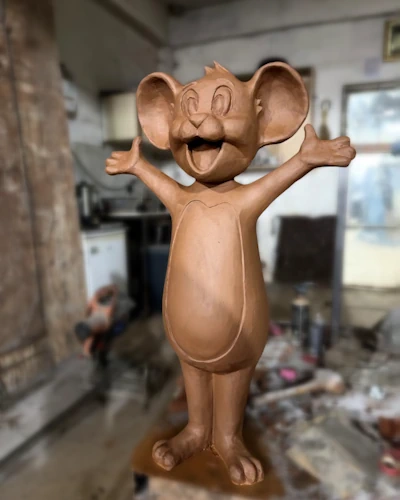
What is Resin?
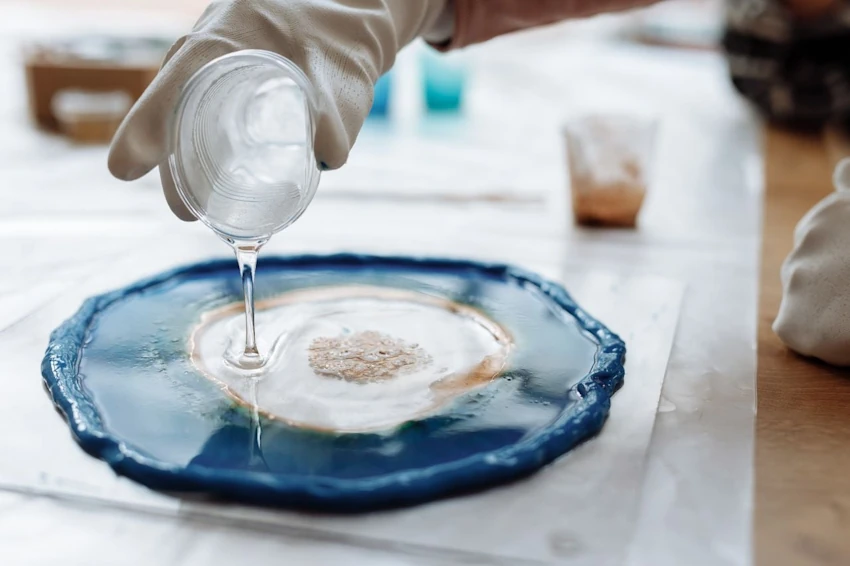
In the terminology of sculpture and art materials, resin describes a group of substances of natural or synthetic origin, usually found in liquid or semi-solid state, which harden by chemical reaction or heat effect. While substances such as amber, copal and dammar obtained from tree saps are among natural resins, polyester, epoxy and acrylic are among the most commonly used synthetic resins. In the art of sculpture, resin finds an extremely wide range of use as both a casting material and a coating and bonding agent. Especially fiberglass reinforced polyester resin has become one of the most fundamental materials of modern sculpture production.
Usage Areas of Resin in Sculpture Production
The most important usage area of resin in sculpture art is sculpture production by mold casting method. When liquid resin is poured into a silicone or plaster mold, it covers the entire inner surface of the mold; then, it hardens with the effect of a chemical catalyst, creating a hard sculpture that perfectly reflects the negative of the mold. Since this method allows for the production of many identical sculptures from a single mold, it is extremely efficient for both artistic and commercial projects. While polyester resin stands out with its low cost and ease of use, epoxy resin is preferred for its higher mechanical strength and superior bonding power to various materials.
Another important usage area of resin is transparent and semi-transparent sculpture works. Transparent epoxy resin provides a unique medium that preserves and makes visible objects, color pigments or light-refracting elements embedded within it. This feature makes resin an indispensable material in contemporary sculpture works that use light and color as an integral part of the design. Resin applications used in wood stabilization have also yielded remarkable results both functionally and aesthetically in recent years.
Considerations When Working with Resin
Working with resin is a meticulous process that requires technical knowledge and safety measures together. Most synthetic resins emit toxic vapors during the hardening process; therefore, it is mandatory to work in a well-ventilated environment and use an appropriate respirator and protective gloves. The ratio of resin and catalyst directly affects the hardening time and the mechanical properties of the final work; therefore, it is of great importance to comply fully with the manufacturer's instructions. Incorrect mixing ratios can lead to the work either not hardening at all or cracking by reacting too quickly. Adding pigments, fillers and additives to the resin is also a detailed process that requires experience.
Maintenance of Resin Sculptures
Resin-based sculptures can maintain their aesthetic appearance for decades under correct maintenance conditions. Resin formulations containing UV stabilizer additives significantly reduce the risk of color fading and surface degradation in outdoor sculptures exposed to sunlight. Regular surface cleaning and a protective varnish applied once a year are among the most effective maintenance methods that extend the life of resin sculptures. Small scratches and surface damages can be repaired relatively easily with appropriate filler and paint applications; this makes resin a practical and economical choice for long-term use.
Date Added: