What is Refractory?
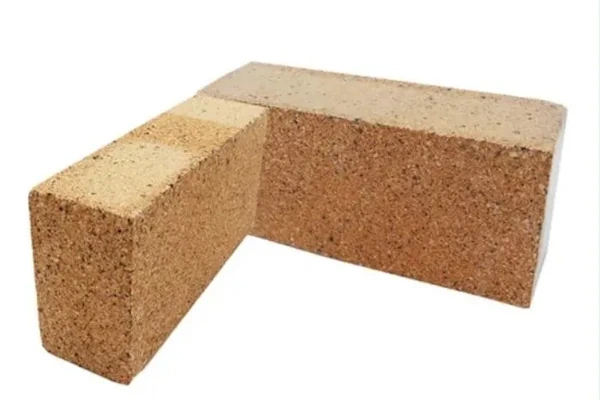
The concept of refractory, which appears at one of the critical stages of the sculpture art, specifically the bronze casting process, describes materials and coatings that are extremely resistant to high heat. Derived from the Latin root "refractarius," meaning "disobedient, resisting," this term refers to the resistance of materials that come into contact with molten metal or are exposed to high furnace temperatures against these conditions. In the production of bronze sculptures, refractory materials are among the indispensable components of the lost-wax casting process; used to create ceramic shells or sand molds, these materials prepare the ground for the safe pouring of molten bronze at approximately 1100 degrees Celsius.
The Role of Refractory Materials in Sculpture Production
The most critical area of use for refractory materials in bronze sculpture production is the ceramic shell mold creation process. In the lost-wax method, the refractory mixture applied layer by layer onto the wax model leaves behind a sturdy and high-heat-resistant ceramic shell as the wax melts and flows away during firing. After the molten bronze poured into this shell cools and solidifies, the shell is broken and removed. If the refractory shell does not possess sufficient hardness and heat resistance, it results in the risk of cracking or collapsing under the pressure of the bronze; therefore, the quality and correct application of the refractory mixture are extremely critical.
The composition of refractory materials is customized according to the purpose of use and the temperature range to which they will be exposed. High-melting-point minerals such as sillimanite, mullite, alumina, and zircon constitute the main components of refractory mixtures used in sculpture casting. Since the melting points of these minerals are well above 1500 degrees Celsius, they provide sufficient resistance against the 1100-degree pouring of bronze. Colloidal silica, used as a binder, increases the mechanical strength of the shell by holding the refractory particles together.
Refractory Sand Molds
Refractory sand molds, used as an alternative to the ceramic shell method, are preferred especially in large-scale bronze casting projects. These molds, prepared from a mixture of special sand and binder, are compressed into metal flasks and prepared for casting. Refractory sand offers ideal properties for bronze casting when evaluated in terms of high heat resistance, good gas permeability, and surface quality. Since the preparation of sand molds requires less labor compared to the ceramic shell method, they are favored for large industrial projects; however, the ceramic shell method maintains its superiority in terms of surface detail sensitivity.
Maintenance and Reuse of Refractory Materials
Correct storage and management of refractory materials in sculpture studios are of great importance for both quality and cost. Refractory mixtures stored in a dry environment away from moisture maintain their shelf life significantly. Some types of refractory sand can be made reusable by applying heat treatment; this provides an important advantage both economically and environmentally. Ceramic shell molds, on the other hand, are destroyed by breaking after casting and cannot be reused; this single-use characteristic is one of the factors contributing most to the production cost of the lost-wax method.
Date Added: