What Is Polyester?
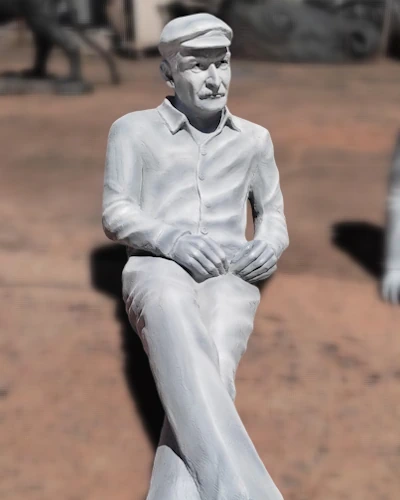
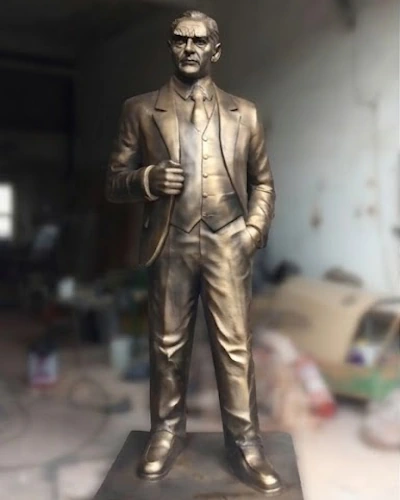
Polyester is one of the most versatile synthetic materials produced by organic chemistry. Derived primarily from petroleum-based raw materials, this material consists of long polymer chains held together by ester bonds. Although polyester is most commonly encountered in the textile sector in everyday life, it actually has a much wider range of applications. Construction, automotive, packaging, and the art world make up the most important links in this chain. In particular, polyester has reached an extremely critical position in the world of sculpture art.
The Basic Properties of Polyester
There are a few key properties that make polyester so widespread and preferred. First and foremost, it is an extremely durable material; it shows high resistance to moisture, chemicals, and mechanical stress. Despite being lightweight, it has a hard and solid structure. Its ability to be shaped with a mold makes it indispensable in the manufacturing world. Liquid polyester resin, once mixed with its hardener, solidifies quickly and permanently takes the desired form. This property provides a significant advantage especially during sculpture production; as sculptors can bring every form and every detail they desire to life with this material.
The Meeting of Polyester and Sculpture Art
Polyester's entry into the world of sculpture dates back to the mid-20th century. During that period, modern synthetic materials began to gradually replace traditional sculpture materials such as stone, marble, bronze, and wood. Polyester resin became the standout name in this process. Thanks to both its ease of processing and its cost advantage, polyester sculpture became the favorite of artists. Unlike traditional materials, polyester can be easily shaped and transported even in very large sizes. This makes it an ideal choice particularly for public space sculptures and exhibition pieces.
How Is a Polyester Sculpture Made?
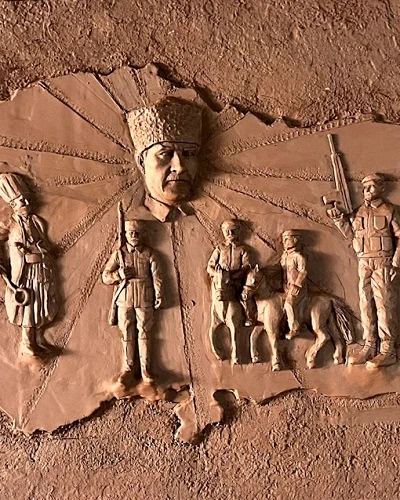
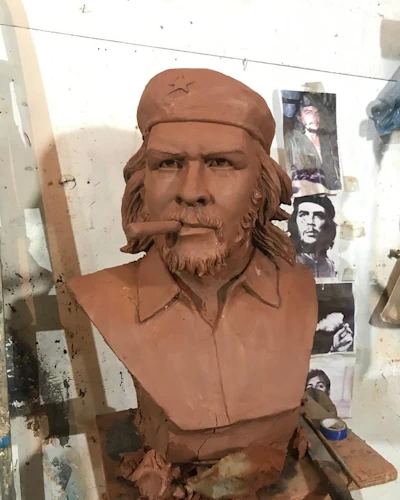
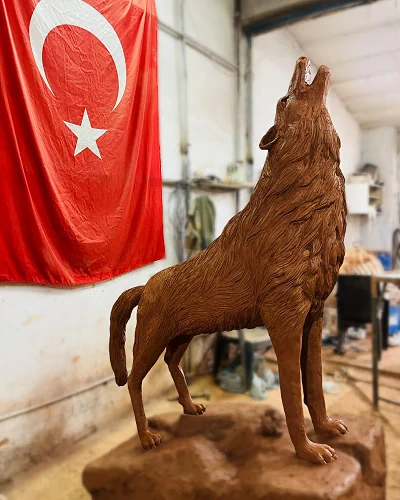
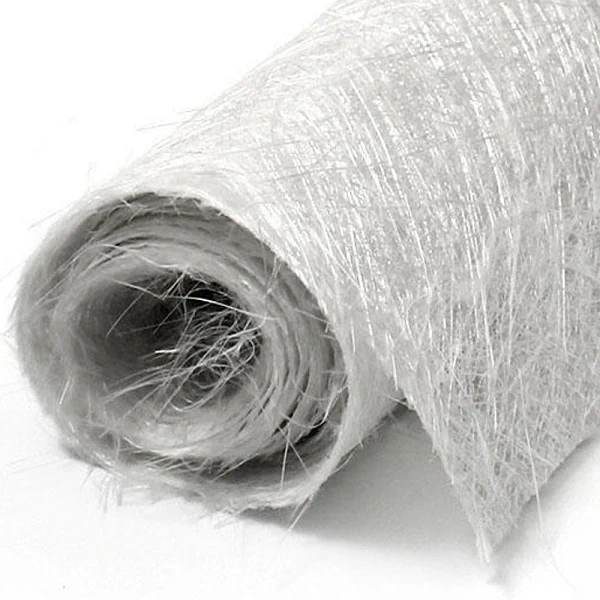
The polyester sculpture production process follows a quite different path from traditional sculpting. In the first stage, the sculptor models the form they wish to create using clay, foam, or another temporary material. A mold is then taken from this model. The mold is generally made from silicone or plaster and is prepared to reflect every detail of the original form without exception. Liquid polyester resin is then mixed with a hardener and poured into this mold or applied with a brush. Applying it layer by layer rather than filling it entirely is the more common method; this both saves material and keeps the sculpture lightweight. The hollow structure formed is reinforced with fiberglass if necessary. Once hardening is complete, the mold is removed and the raw sculpture emerges. In the final stage, the work is brought to the desired appearance through sanding, painting, and various coating processes. Polyester sculpture, which can be given the appearance of bronze, stone, marble, and even wood, can take on an entirely different identity at this stage.
The Advantages of Polyester Sculpture
The most important feature that sets polyester sculpture apart from sculptures made with other materials is its versatility. Being much lighter than stone, polyester makes it easier to transport and place large-scale works. Unlike bronze, it does not rust and maintains its durability against natural conditions for many years. Unlike wood, it is not susceptible to insect or moisture damage. On top of all this, it falls far behind traditional materials in terms of cost, making polyester sculpture an accessible option for both artists and institutions alike. Since colored pigments can be mixed directly into the resin, the painting process also becomes extremely practical.
Where Is Polyester Sculpture Used?
The range of applications for polyester sculpture is extremely broad. It is possible to encounter polyester sculptures everywhere, from museums and galleries to open-air exhibition areas, from shopping centers to public squares. Polyester holds a dominant position as a material particularly in the decorative sculpture sector. Store windows, hotel lobbies, theme parks, and event venues are among the spaces where polyester sculpture is most heavily used. In addition, the vast majority of prop sculptures produced for set design in film and television productions are also made from polyester. This range of use, extending from anatomy models in educational institutions to reproduction works in museums, makes polyester's place within the sculpture world unquestionable.
Polyester or Bronze?
When it comes to sculpture art, bronze is always the first thing that comes to mind. This tradition, which has continued for centuries, began to be questioned anew with the emergence of polyester. Bronze still holds an undisputed place in terms of prestige and permanence. However, when it comes to cost, processing time, and accessibility, polyester pulls clearly ahead. The casting workshops, high temperatures, and specialized labor required to cast a bronze sculpture are completely eliminated with polyester. An artist can achieve professional results in their own studio with relatively simple equipment. This makes polyester an extremely attractive option especially for young and independent sculptors.
Date Added: