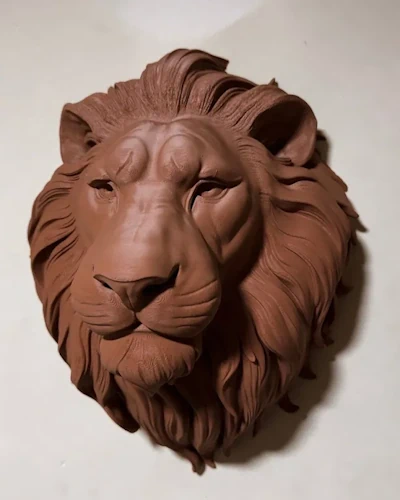
What is Plastiline?
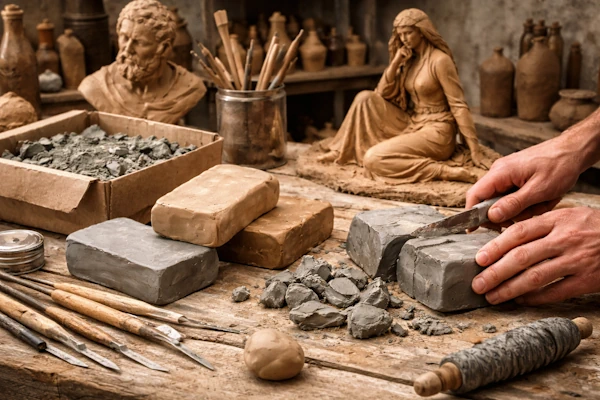
In the art of sculpture, plastiline refers to an artificial modeling material composed of oil- and wax-based components that possesses non-drying properties. Developed first in the late 19th century, plastiline stands out with a critical difference compared to its similarity to clay: it does not dry out, and thanks to this feature, it can be worked on for days, weeks, or even months. This advantage has made plastiline an indispensable tool, particularly for long-term and detailed modeling projects. Preferred by a wide range of users from professional sculpture studios to industrial design studios, and from film effects teams to toy manufacturers, plastiline is one of the most practical and flexible modeling tools in the art of sculpture.
Properties and Types of Plastiline
The core components of plastiline include calcium salts, petrolatum, and fatty acids. The chemical structure created by this composition allows plastiline to remain shapeable at room temperature, soften when heated, and harden when cooled. This thermal behavior creates great flexibility in working with plastiline; while plastiline heated with a heat gun or hair dryer can be easily shaped, it hardens in cold environments, allowing for more precise carving and detailing processes. The color range of plastiline is extremely wide, and different colors can be mixed together to obtain custom tones.
Industrial-grade plastiline used in professional sculpture applications has much higher quality standards than hobby-oriented products. Sulfur-free plastiline is of critical importance for taking silicone molds, as formulations containing sulfur can inhibit the curing of silicone. Therefore, if mold taking is planned in sculpture production, the choice of sulfur-free plastiline is mandatory. Plastilines produced in different degrees of hardness are preferred according to the stage of the work; soft formulations are suitable for general form work, while harder formulations are appropriate for detailed processing.
Working Techniques with Plastiline
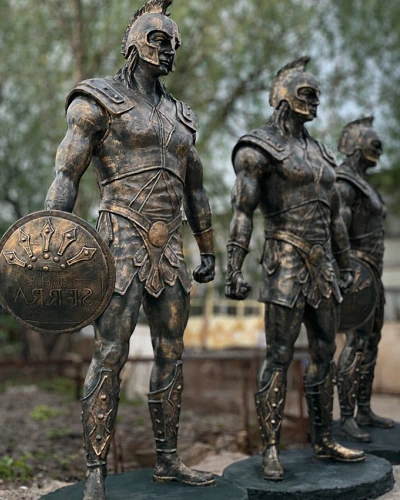
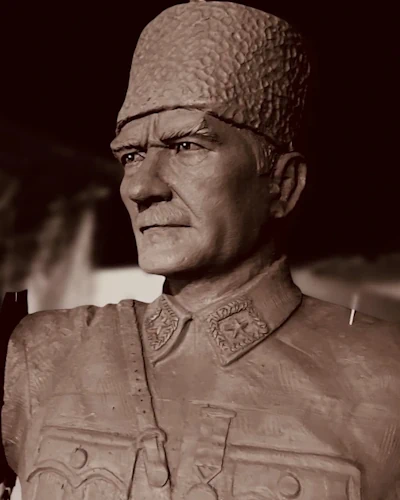
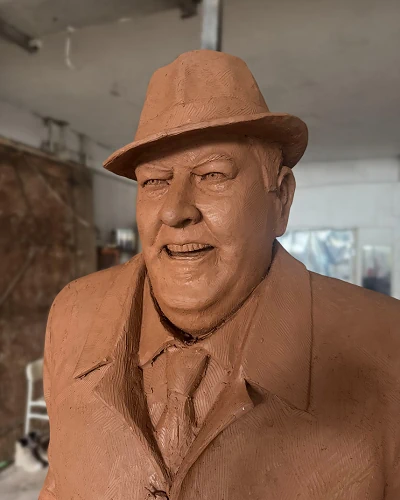
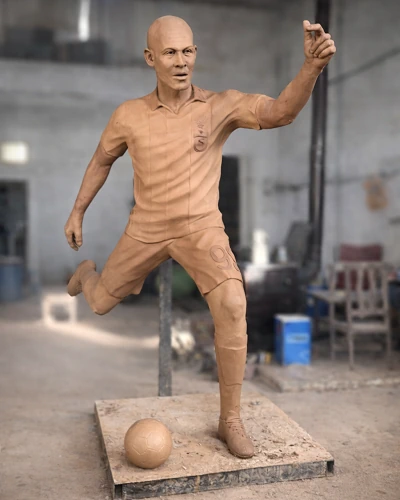
The plastiline modeling process bears great similarities to working with clay. In large plastiline models built over a metal armature, the general form is created first, and then the form is enlarged by adding material layer by layer. The non-drying property of plastiline gives the artist the freedom to make repeated corrections to the form; a wrong decision can be immediately reversed, excess material can be scraped off, or the form can be changed by adding new material. This freedom of correction makes plastiline an extremely efficient tool, especially in facial busts and anatomical figure studies.
Plastiline is extensively used in the design models for character makeup prosthetics and animation figures, particularly in the film and television industry. Plastiline is also an ideal material for stop-motion animation figures; figures can be easily reshaped between shots to capture different poses and expressions. With all these wide areas of use, plastiline continues to be one of the bridge materials connecting the boundaries of sculptural art with the world of industry and entertainment.
Date Added: