What is Fiber?
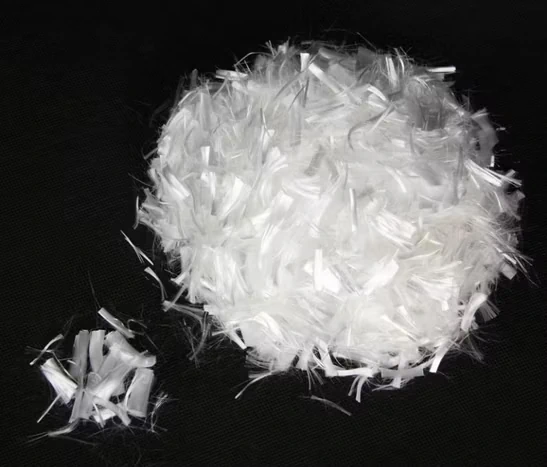
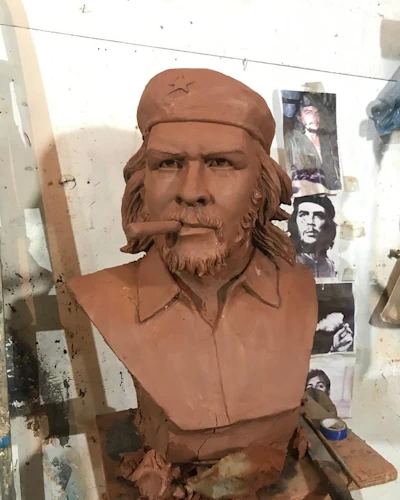
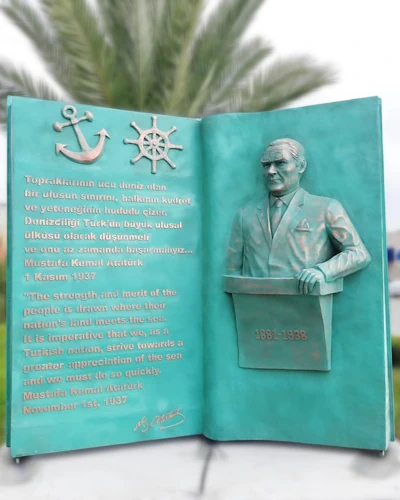
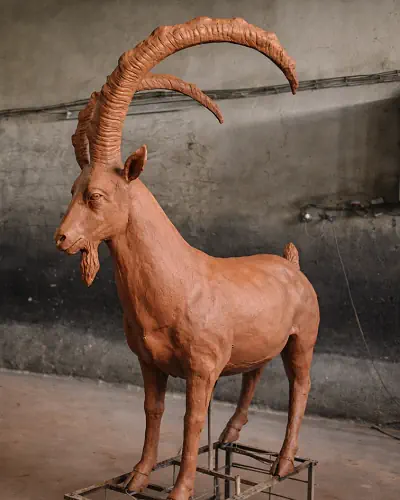
Fiber, which is one of the materials contributing to the most deep-rooted transformation of the sculpture art in the modern period, has become the favorite of both artists and monument sculpture producers with its durability and lightness. Fiber, also known as glass fiber, has a unique structure formed by bringing thin glass strands together and turning into an extremely solid composite material when combined with polyester or epoxy resin. This material, also called "fiberglass" in the sculpture world, offers a strong alternative to traditional bronze and stone sculptures, significantly reducing both the cost and logistical difficulties of monumental scale productions.
The Place of Fiber in Sculpture Art
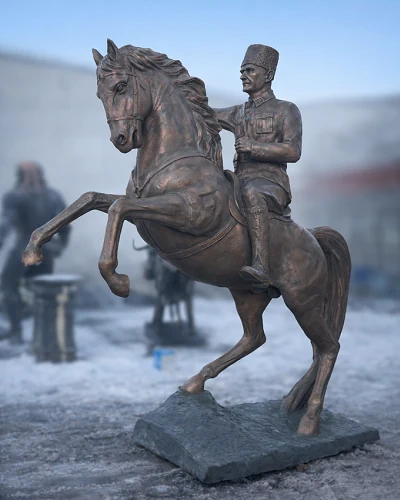
The biggest advantage of fiber material in sculpture production is the balance of weight and strength. Compared to a bronze or granite sculpture of the same size, a fiber sculpture is much lighter; this situation provides great convenience in terms of transportation, assembly and ground preparation. Especially in large-scale monument projects, this lightness significantly reduces both labor costs and transport risk. On the other hand, the mechanical strength of fiber is extremely high; a fiber sculpture prepared under the right production conditions can maintain its resistance against outdoor conditions for decades.
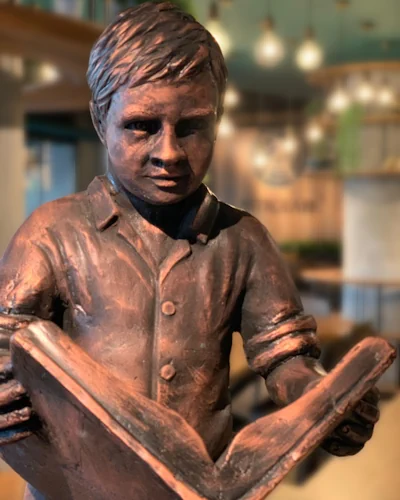
Another important feature of fiber material is its shaping flexibility. Even the most complex forms can be transferred to fiber through silicone or plaster molds; fine details, deep hollows and sharp lines can be obtained without problems. Flexibility in surface treatments is also one of the elements that make fiber attractive; by applying matte, glossy, bronze-effect, gold-gilded or natural stone-looking coatings, a fiber sculpture can imitate the visual effect of almost any material.
Fiber Production Process
Fiber application in sculpture production usually starts with placing glass fiber layers into the mold and applying polyester resin on them. When each layer dries, a new layer is added; this process is repeated until the desired wall thickness is reached. Placing a steel armature or support frame inside to obtain a more durable structure is also a frequently preferred method. The raw fiber sculpture removed from the mold is then brought to a smooth surface with sanding and filling applications. In the final stage, the surface is both protected and the desired visual effect is achieved with gelcoat or special paint.
One of the most remarkable features of fiber in the production process is the ease of repair. The damaged area of a fiber sculpture harmed by external effects can be repaired with relatively simple methods, unlike bronze or stone sculptures. This situation significantly lowers the long-term maintenance cost of fiber sculptures and provides a great advantage especially in public areas exposed to heavy visitor traffic.
Usage Areas of Fiber
Fiber material is used in a wide range such as monument sculptures, decorative figures, thematic park designs, display mannequins, stage decors and architectural decoration elements. Many institutions and organizations, especially municipalities, private businesses and museums, prefer fiber sculpture due to its advantageous structure in terms of both aesthetics and budget. With all these features, fiber continues to be one of the most preferred and most versatile materials of today's sculpture art.
Date Added: