What is Encaustic?
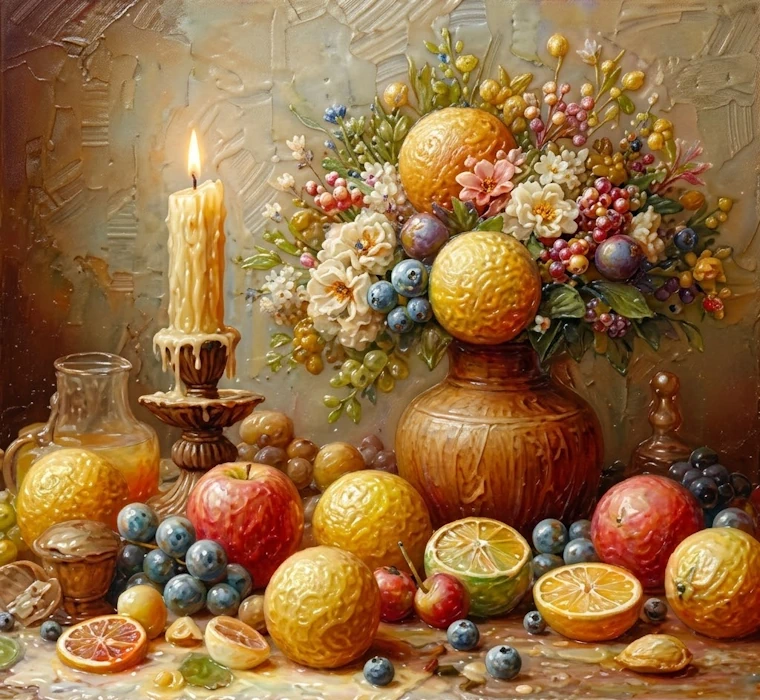
Encaustic is an ancient painting technique in which pigments are mixed with molten beeswax and applied to a surface with the help of heated metal tools or fire. Derived from the Greek word "enkaustikos," this term literally means "to burn in." The encaustic technique was widely used, particularly in Ancient Greece and Rome, for wooden panel paintings, statue coloring, and ship coatings. Artworks produced with this method are remarkably long-lasting and can maintain their vibrancy for thousands of years.
Application of the Encaustic Technique
The core material in encaustic painting is purified beeswax. By adding resin and pigments to the wax, a colored paint paste is created. This paste liquefies when heated and is applied to the surface using brushes or spatulas. Following application, a heated tool is used to fuse the paint with the surface. This process gives the paint an unusual depth and brilliance. Since the encaustic painting technique requires great mastery and experience, it was practiced only by expert artists in ancient times.
Fayum Portraits and Encaustic
The most impressive surviving examples of the encaustic technique are the mummy portraits found in the Fayum region of Egypt. Produced between the 1st and 3rd centuries AD, these portraits were painted on wooden panels using the encaustic method before being placed over the faces of mummies. Fayum portraits are among the most striking works in art history, both for their technical perfection and their realistic approach to portraiture. The fact that the vivid colors in these works have remained intact for millennia proves the extraordinary durability of the encaustic technique.
The Relationship Between Encaustic and Sculpture
In antiquity, statues had a much more colorful appearance than we imagine today. Most marble and wooden sculptures were painted, and the encaustic technique was frequently employed in this coloring process. In particular, details such as eyes, hair, and clothing were colored with encaustic paint to give the statues a lifelike appearance. Over time, these layers of paint eroded away, leaving only the white marble surfaces we see today. Investigating and recreating the tradition of ancient sculpture painting is an important field of study in archaeology and art history today.
Encaustic Art Today
The encaustic technique continues to be used with great interest by artists today. Modern encaustic artists utilize contemporary pigments and tools while maintaining the traditional formula. Artworks created with this technique attract significant attention from collectors due to their unique texture, depth, and light reflection properties. Workshops and exhibitions focused on encaustic art are organized particularly in North America and Europe, ensuring the technique is passed on to new generations of artists.
Date Added: