What Is Bronze?

Bronze is a metal alloy obtained by melting copper and tin together in specific proportions. It generally contains 80–90% copper and 10–20% tin; however, these ratios may vary depending on the intended use. In some cases, elements such as lead, zinc, aluminum, or phosphorus are also added to the mixture to customize the properties of the alloy.
Its Place and Importance in History
Bronze represents one of the most critical turning points in human history. With a history of use dating back to 3000 BC, it holds the distinction of being the first metal alloy to replace stone. This transition period has been named the Bronze Age by historians. Ancient civilizations such as Mesopotamia, Egypt, and Anatolia used bronze extensively for weapons, tools, and artistic production. When we look at the roots of sculpture, bronze is invariably present.
Physical and Chemical Properties
One of the most distinctive features of bronze is its hardness. Considerably more durable than pure copper, bronze also exhibits high resistance to corrosion. When exposed to moisture and oxygen in the air, a greenish layer gradually forms on its surface; this layer is called patina. Patina acts as a natural shield protecting bronze from external factors and also adds a unique, timeless aesthetic to bronze sculptures. With a melting point of approximately 950°C, bronze is highly suitable for casting and can successfully reproduce even the finest details.
Bronze in Sculpture
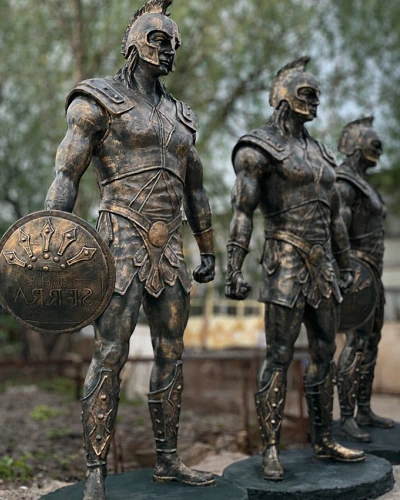
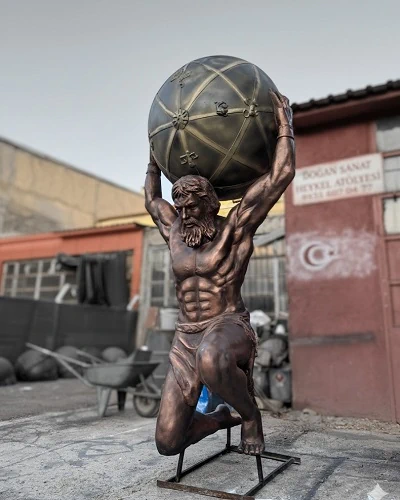
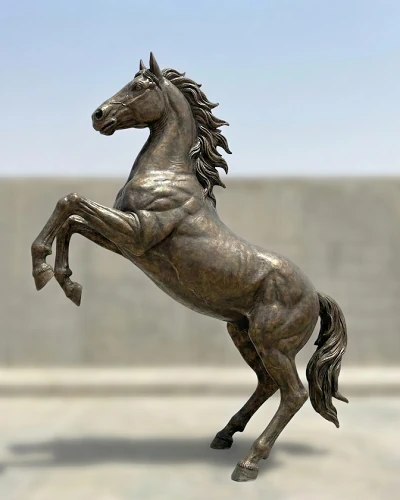
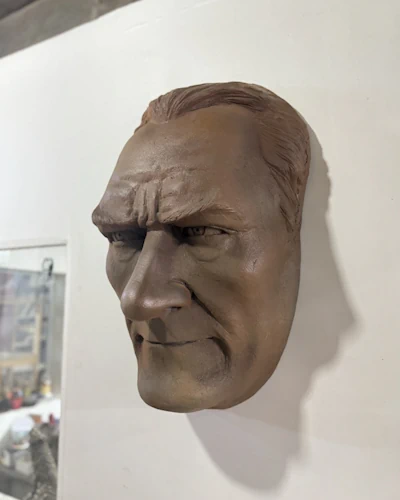
Bronze has been among the most preferred materials in sculpture throughout history. The primary reason for this is that extremely fine and complex forms can be achieved through the lost-wax (cire perdue) casting method used in bronze production. When a sculpture master casts a model made of clay or wax into bronze, the material both carries the form perfectly and remains intact for decades. The majority of the world's most famous sculptures have been made from bronze. Rodin's "The Thinker," ancient Greek athletes, and Hittite figurines found in Anatolia are concrete examples of this tradition.
How Is Bronze Cast?
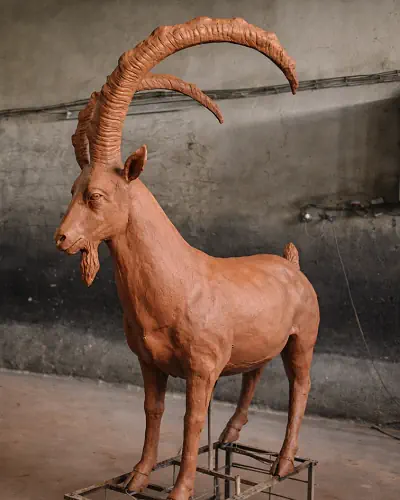
Bronze sculpture production is a meticulous and multi-stage process. First, the artist shapes the desired form using clay or wax. A refractory mold material is then applied over this model. When the model is heated, the wax melts and flows out, leaving behind a hollow mold. Molten bronze is poured into this mold, left to cool, and the outer shell is broken to reveal the sculpture. In the final stage, surface treatments, polishing, or patina applications complete the work. This process ensures that each sculpture exists as a unique piece in the world.
Modern Uses
Today, bronze is widely used not only in the arts but also in industrial applications. Its resistance to wear makes it valuable in the production of mechanical parts such as bearings, valves, and gears. Musical instruments, especially bells and cymbals, are made from bronze because bronze conducts vibration very well and produces a rich sound. Bronze continues to be preferred in medals, monuments, and architectural decorative elements. All of this variety demonstrates how indispensable bronze remains despite its thousands of years of history.
Date Added: