What is an Object?
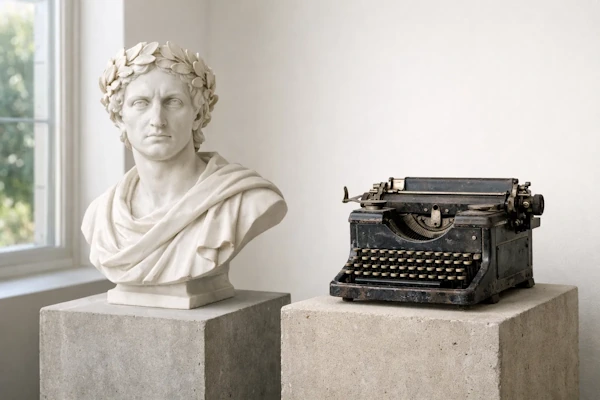
What is an Object: In the art of sculpture, the concept of the object is the product of a modern approach that pushes the boundaries of traditional figurative understanding and brings art into contact with everyday life. In its broadest sense, an object refers to any kind of thing that the artist selects, presents, or transforms for an aesthetic and conceptual purpose. This revolution, which began at the beginning of the 20th century with Marcel Duchamp presenting ready-made items as artworks, radically redefined the boundaries of sculpture and turned the concept of the "object" into one of the most controversial and productive terms in the art world. Today, the object continues to be used both as an independent artistic form and as a component of larger sculptural works.
The Evolution of the Object in Sculpture
In traditional sculpture, an object was a physical form created by the artist through the processing of material. However, with the Dadaism and Surrealism movements at the beginning of the 20th century, this definition expanded fundamentally. Artists began to present found objects, industrial products, and everyday items as artworks, either directly or with minimal intervention. This approach blurred the line between art and life, inviting the viewer to question both the object and the context surrounding it. Duchamp’s urinal, Meret Oppenheim’s fur-covered cup, and Joseph Cornell’s box installations are among the most striking examples of this new understanding of the object.
In contemporary sculpture, the concept of the object has spread across a much wider spectrum. Industrial waste materials, objects collected from nature, technological components, and even digital objects are used in the sculptural works of today's artists. This diversity makes the object an extremely flexible and productive category, serving as both a material and a conceptual tool.
The Object in Decorative and Monumental Sculpture
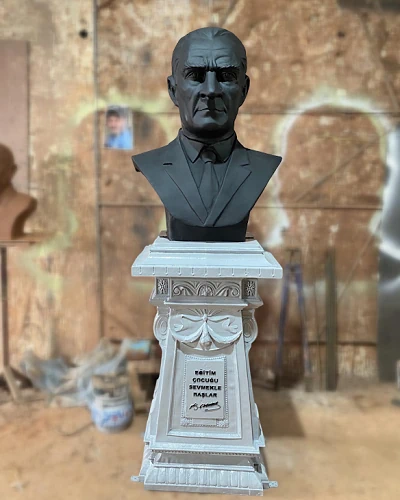
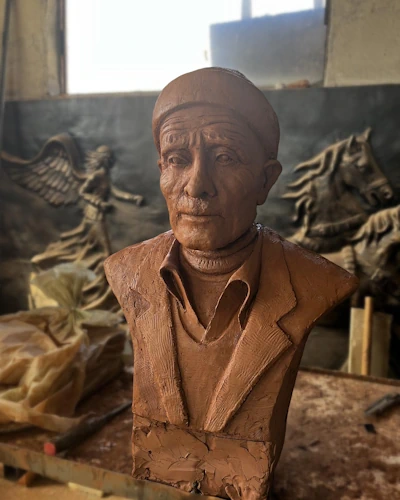
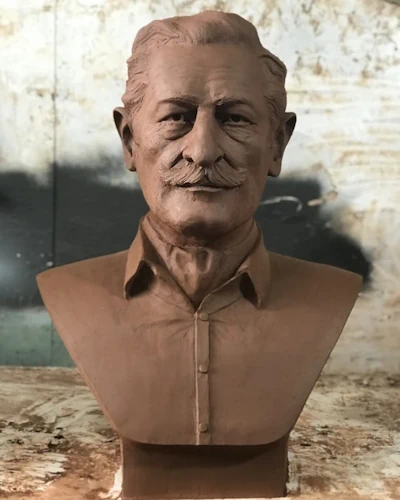
When evaluated within a more traditional framework, the object is used in sculpture to mean an independent three-dimensional form. In this sense, every sculpture is an object; however, not every object is a sculpture. This subtle distinction remains an important evaluation criterion for art criticism and curatorial practice. In monumental sculpture projects, the object is also considered in terms of its relationship with space; how a sculpture in a public area enters into a dialogue with the surrounding architectural and natural elements is an important factor determining the artistic value of that object.
In decorative sculptures produced for collection purposes, the concept of the object gains a narrower and more concrete meaning. Bronze figurines, ceramic forms, and stone objects are among the most common examples of this category. In such objects, material quality, craftsmanship detail, and scale are the primary elements determining the collection value of the work. Today, the object sculpture constitutes an extremely active and growing market for both art galleries and private collections.
Date Added: