What is an Allegory?
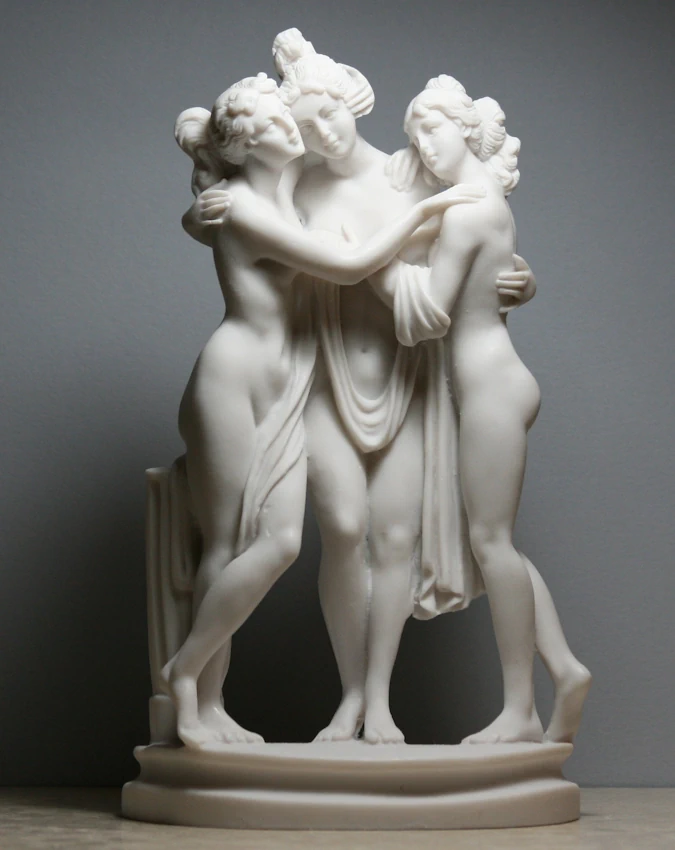
Allegory is an artistic form of expression that conveys an abstract concept, moral value, or philosophical idea through concrete figures, scenes, or symbols. It is not exclusive to literature it has been extensively used across many art forms, including sculpture, painting, architecture, and music. In an allegorical work, what is visible and what is meant differ from one another; the piece carries a deeper layer of meaning beneath the surface.
The Use of Allegory in Sculpture
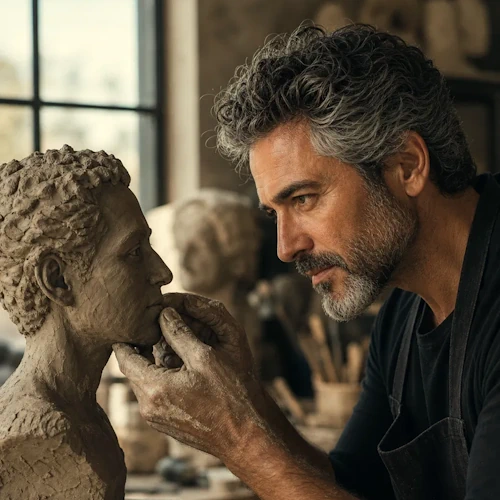
Allegory has been used as a powerful narrative tool in sculpture since antiquity. The concept of justice has been symbolized by a blindfolded female figure holding scales and a sword. Victory has been depicted as a winged, crowned figure. Liberty became a woman holding a torch. Allegorical sculpture represents one of the most successful attempts to render the abstract tangible. During the Renaissance and Baroque periods, the tradition of allegorical sculpture reached its peak, with palaces, churches, and public buildings adorned with such works.
The Historical Background of Allegory
The origins of allegory trace back to ancient Greece. Plato's Allegory of the Cave stands as one of the most influential examples of allegory in the history of philosophical thought. In ancient Rome, allegory became a tool of state propaganda — concepts such as victory, justice, and abundance were rendered through allegorical figures on coins, reliefs, and sculptures. In medieval Christian art, allegory became the primary means of conveying religious teachings visually. The concepts of virtue and sin were worked into cathedral doorways and stained glass windows through allegorical figures.
The Difference Between Allegory and Symbol
Allegory and symbol are closely related yet distinct concepts. A symbol is a brief reference pointing to a single meaning. Allegory, however, is a far more comprehensive and structured narrative it conveys a complex idea or moral message through an entire system of figures, scenes, and relationships. A dove is a symbol of peace; but an allegorical sculpture group exploring the theme of peace can simultaneously tell the story of war's defeat, the birth of reconciliation, and a promise made to future generations. This depth lends allegory a richness of meaning that goes beyond other forms of expression.
Allegorical Art Today
Allegory continues to hold its place in the contemporary art world. Modern and contemporary artists reinterpret allegorical expression to address current issues, social critiques, and philosophical questions. Allegorical monuments placed in public spaces continue to bring universal values such as peace, freedom, solidarity, and justice to broader audiences. With its unmatched power to transform the abstract into the concrete and the invisible into the visible, allegory remains one of art's indispensable means of expression.
Date Added: