What is an Acroterion?
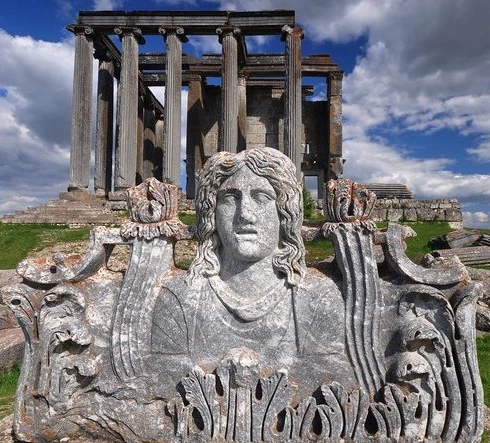
An acroterion is a decorative sculpture or ornamental element placed at the corners and the apex of a temple roof in ancient Greek and Roman architecture. Derived from the Greek word "akroterion," this term means "object at the extremity or summit." Acroteria do not serve a functional purpose; they undertake a purely aesthetic and symbolic role. While adding elegance and dynamism to the temple silhouette, they also emphasize the sacred nature of the structure.
Formal Characteristics of the Acroterion
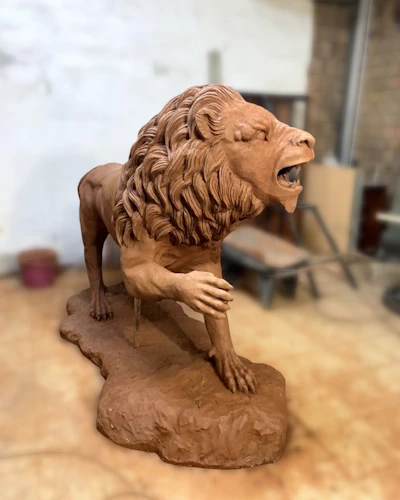
Acroteria are generally placed in three different positions: at the two lower corners of the roof and the apex. The apex acroterion is usually the largest and most elaborately crafted. Early period acroteria consisted of floral decorations such as palm leaves, lotus flowers, and spiral motifs. Over time, these floral motifs gave way to human and animal figures. Nike, the winged goddess of victory, Gorgon Medusa, and various mythological figures are among the most frequently depicted themes in acroterion sculptures. Acroterion sculptures were generally produced from marble or terracotta.
Historical Development of the Acroterion
The tradition of the acroterion emerged in Greece in the 7th century BC. The first examples consisted of quite simple floral motifs. During the Archaic period, figurative acroteria began to become widespread, and in the Classical period, this element became an inseparable part of the architectural composition. Roman architecture also adopted the Greek tradition and continued to use the acroterion in its own structures. Examples of acroteria are also encountered in various temple remains discovered in Anatolia; this situation reveals how wide a geography the tradition spread across.
The Relationship Between Acroterion and the Art of Sculpture
Acroteria are extremely valuable works in terms of the art of sculpture because they constitute one of the rare examples that present architecture and sculpture together. An acroterion sculpture functions both as an independent plastic work and as an architectural element in dialogue with the whole of the structure. This dual identity makes acroteria particularly interesting for art historians and sculptors. Mastering acroterion production was a significant sign of skill for ancient sculptors because these works had to possess both a powerful silhouette readable from a distance and fine details revealed upon close inspection.
The Acroterion Today
The acroterion motif is occasionally reinterpreted in today's world of architecture and sculpture. Decorative elements inspired by the acroterion are used in official buildings, museums, and monumental structures designed in the Neoclassical style. Acroterion figures also frequently appear in ancient period reproductions produced for collection purposes. Original acroterion pieces unearthed in archaeological excavations are exhibited among the most valuable works in museums.
Date Added: