What is an Acropolis?
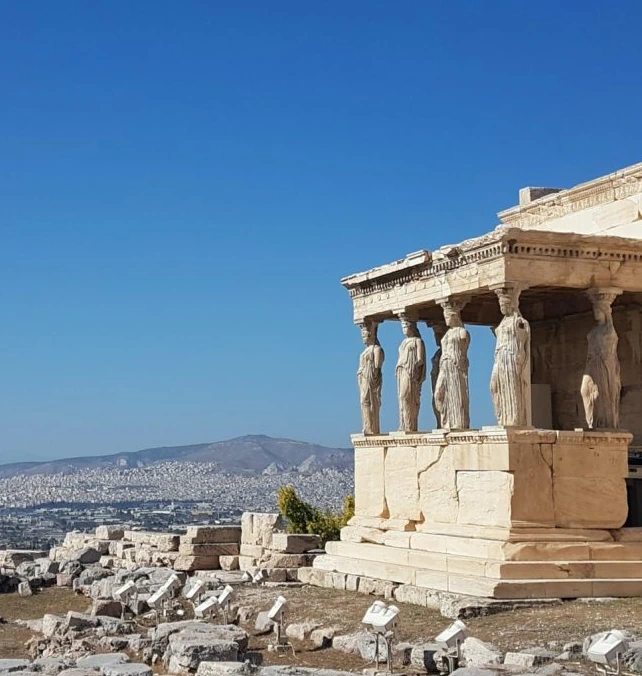
An acropolis is a walled sacred area and defense zone, usually built on the highest point of ancient Greek city-states. The word is formed by the combination of the Greek words "akra," meaning edge or summit, and "polis," meaning city. Directly translated as "upper city," the acropolis was not merely a residential area in ancient times but a religious and political center where temples, treasury buildings, and sacred structures were located together.
The Place of the Acropolis in History
In ancient Greece, every important city-state had its own acropolis. However, the most famous and well-preserved among these structures is arguably the Acropolis of Athens. Rebuilt in the 5th century BC during the era of Pericles, the Acropolis of Athens houses the Parthenon temple, the Erechtheion, and the Propylaia. The Acropolis of Athens maintains its status today as one of the most visited archaeological sites in the world. Included in the UNESCO World Heritage list, this site is considered one of the most important symbols of Western civilization.
Architectural Significance of the Acropolis
Acropolis architecture is among the examples that reflect ancient Greece's aesthetic understanding and engineering capacity at the highest level. Doric, Ionic, and Corinthian column orders were masterfully applied in these structures. The Parthenon temple was consciously built with slight curves to counteract optical illusions; this detail reveals the advanced technical knowledge possessed by ancient architects. Marble craftsmanship, relief decorations, and proportional perfection have placed acropolis structures among the masterpieces of architectural history.
The Acropolis and the Art of Sculpture
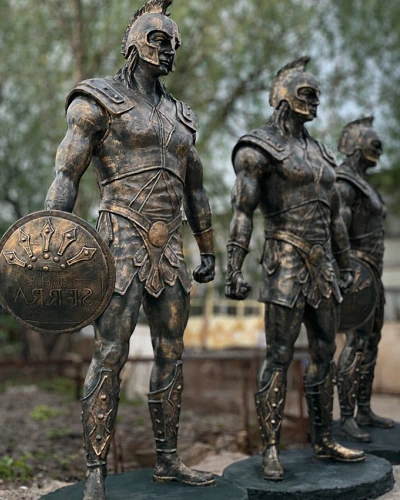
Acropolis sites also hosted the most valuable sculptural works of the ancient period. The sculpture groups decorating the pediments of the Parthenon, along with depictions of horse races and gods on the friezes, represent the pinnacle of the period's sculpture art. Most of these works are exhibited today in the Acropolis Museum in Athens and the British Museum in London. Acropolis sculptures have served as a source of inspiration for Renaissance and Baroque sculptors in later centuries in terms of technical perfection, figure dynamism, and narrative power.
The Current State of the Acropolis
The Acropolis of Athens is currently undergoing an intensive restoration process. Wars, earthquakes, and air pollution over the centuries have caused serious damage to the structures. Restoration work carried out in cooperation with the Greek government and international organizations aims to transfer the works to future generations. The Acropolis also continues to be the most powerful symbol of modern Greece's national identity and the common heritage of Western civilization.
Date Added: