What is Alabaster?
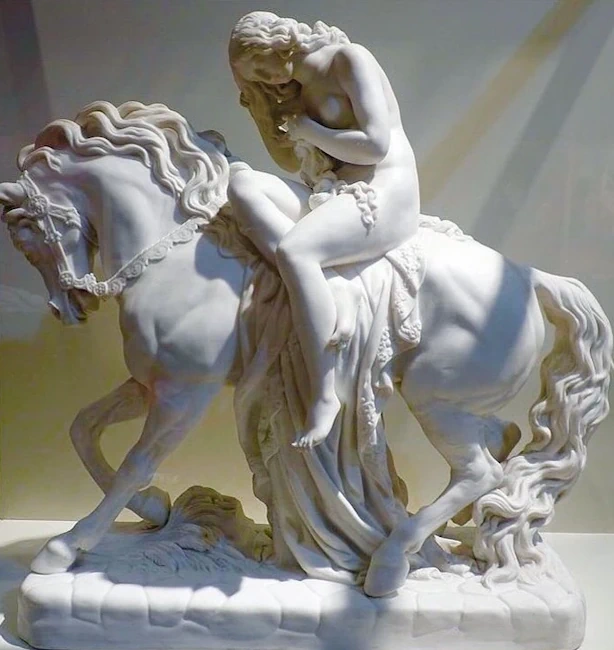
Alabaster is a prized stone that has been used in sculpture and decorative arts for centuries, recognized for its fine-grained texture and translucent appearance. Most commonly found in white or cream tones, alabaster has long been one of the preferred materials among sculptors and craftspeople from antiquity to the present day thanks to its workability and visual appeal. Its ability to allow light to pass through is the most defining characteristic that sets alabaster apart from other stones.
The Mineralogical Composition of Alabaster
Alabaster occurs in two distinct mineral forms. The first is gypsum alabaster, composed of calcium sulfate, which has a notably soft structure. With a Mohs hardness rating of just 2, gypsum alabaster can be scratched with a fingernail. The second type is calcite alabaster, composed of calcium carbonate, and it is far harder and more durable than its gypsum counterpart. Egyptian alabaster, as calcite alabaster is commonly known, was widely used in ancient Egypt in particular. Both varieties have historically been favored by artisans for their ease of carving and visual beauty.
The Historical Use of Alabaster
The history of alabaster in art and craft stretches back thousands of years. In ancient Egypt, it was heavily used for making vases, bowls, and figurines the alabaster vessels found in Tutankhamun's tomb stand among the most striking examples of this tradition. In Mesopotamian civilizations, alabaster relief panels were used to adorn the walls of palaces. In medieval Europe, English alabaster became the material of choice for religious figurines and tomb effigies. In Italy and Spain especially, alabaster religious sculptures became important works of art decorating churches throughout the region.
Alabaster vs. Marble: What's the Difference?
Although alabaster and marble are sometimes confused with one another, there are clear differences between them. Marble is significantly harder and more durable, making it the preferred choice for outdoor sculptures. Alabaster, on the other hand, is better suited for interior decoration and small-scale sculpture due to its softer nature. The greatest advantage of alabaster is its translucency when light filters through thinly cut alabaster, it creates a truly unique atmosphere. This quality makes alabaster particularly valuable in the production of lamps and lighting fixtures. Alabaster sculpture continues to be crafted today, and these works carry both artistic and collectible value.
Alabaster Today
Alabaster remains in active use today for sculpture and decorative object production. In Turkey, the Ankara region and its surroundings are well known for their alabaster deposits. Hand-crafted alabaster objects also hold an important place in the tourist souvenir market. Among art galleries and collectors, original alabaster sculptures are attracting growing interest. With proper care, alabaster pieces can last for centuries though its soft composition means it requires careful handling to avoid damage from impact.
Date Added: