Vasa Museum - Sweden, Stockholm
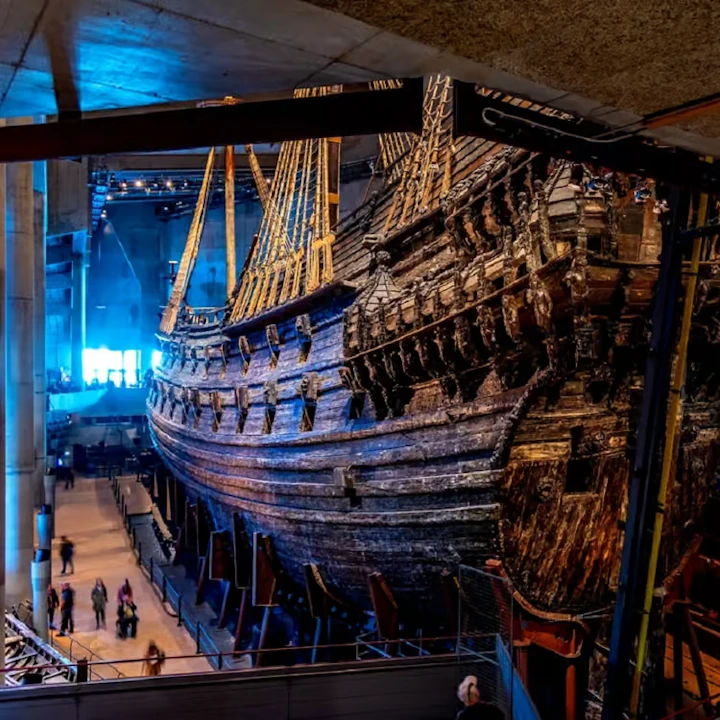
Yo, check it. In Djurgården, one of Stockholm, Sweden's coolest islands, where the breeze smells kinda salty from the sea, there's this one-of-a-kind maritime museum waiting for you: the Vasa Museum. This ain't just any museum, nah. It's got this massive warship that sank on its first trip back in 1628 and then just chilled at the bottom of the Baltic Sea for 333 years. It's like a crazy time capsule, bringing all that 17th-century glory, drama, and human stories right to today. By early 2025, over 45 million people had already checked it out, making the Vasa Museum easily the most visited spot in Scandinavia. No cap.
The Vasa Ship's Story and How It Went Down
The Vasa's story is a universal lesson, showing how being too greedy for greatness and messing up your calculations can lead to some seriously messed-up outcomes. The ship was built on King Gustav II Adolf of Sweden's orders, designed to be the baddest, most magnificent warship of its time. With 64 cannons, hundreds of sculpted decorations, and its massive size, the Vasa was supposed to show the world how powerful and awesome the Swedish Empire was at sea. But just a few minutes after it left Stockholm harbor on August 10, 1628, a light breeze hit, the ship lost its balance, took on water, and sank. This tragedy cost at least 30 people their lives and went down in history as one of Sweden's biggest maritime disasters.
The reason the Vasa is so well-preserved? It's all thanks to the Baltic Sea's unique chemistry. The low salt content in the Baltic waters isn't good for those wood-eating sea critters, so the ship stayed pretty much intact, chilling on the seabed for centuries. The salvage operation in 1961 was one of the toughest and most extensive underwater archaeology projects ever done. Today, ninety-eight percent of the ship is original material; that's a conservation success story unlike anything else in the world.
The Museum's Vibe and How They Show It Off
The Vasa Museum building is a custom-designed structure built right around the ship. Opened by King Carl XVI Gustaf of Sweden in 1990, the museum has six different levels, and each level gives visitors a different view and perspective of the ship. This journey, starting from the very bottom of the ship and going all the way up to the stern, is a super intense experience, both visually and emotionally. The hundreds of sculpted decorations on the ship really show off the artistic style of the era and the Swedish Empire's desire to flex its power.
The museum's exhibition style goes way beyond just technical stuff. Forensic studies, based on the skeletal remains of those who died on the ship, reveal their ages, health, and eating habits. This personalized storytelling takes history out of being just a bunch of abstract facts and brings it to a human level. The museum also features comprehensive exhibits about the ship's construction process, the period it was built, a cinema, and guided tours.
Visitor Experience and Practical Info
Located on Djurgården Island, the Vasa Museum is perfectly situated with other major Stockholm tourist spots. Skansen Open-Air Museum, the ABBA Museum, and the Nordiska Museet are all on the same island, making Djurgården an excellent choice for a day of cultural exploration. The museum is open all year, but it gets super crowded in the summer; visiting early in the morning offers a calmer experience and better photo ops. Guided tours are available in many languages, especially English, and offer some seriously valuable insights for visitors who want to dive deep into the subject.
Why It's a Big Deal for Tourism and Culture
The Vasa Museum is undeniably at the top of Sweden's cultural tourism game. Most tourists visiting Stockholm put this museum at the top of their list; this makes it not just a national but a global cultural heritage site. The ship having some of the rarest examples of 17th-century wood carving makes it super valuable for art history too. This unique collection, also recognized by UNESCO, continues to be one of the most important destinations in the world for anyone interested in human maritime history, woodworking, and historical conservation. For real.
Date Added: