Tupac Amaru II Statue - Peru Cusco

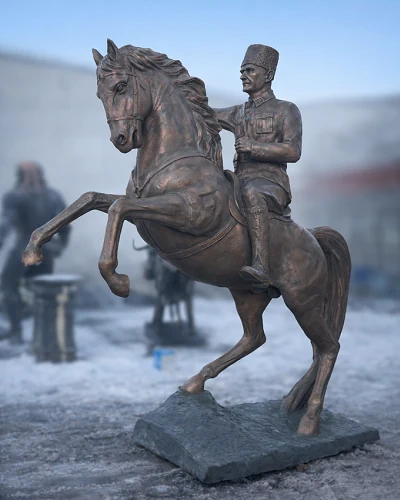
The Tupac Amaru II Statue is a bronze monument located in Cusco, Peru, immortalizing the powerful stance of the Inca leader. This sculpture, which has become a symbol of the struggle for independence against the colonial era, depicts a figure standing tall on a rearing horse with his fist raised toward the sky. Embedded in the historic fabric of Cusco, this work goes far beyond being a mere sculpture it is the concrete reflection of a collective memory and the spirit of resistance.
Who Is Tupac Amaru II?
Born José Gabriel Condorcanqui, Tupac Amaru II went down in history as an Inca leader who launched a major uprising against Spanish colonial rule in the 18th century. The revolt that broke out in 1780 is considered one of the most comprehensive indigenous uprisings in Latin American history. Tupac Amaru II claimed descent from the Inca emperor Tupac Amaru and succeeded in uniting his people for the struggle for freedom. Although he was executed by the Spanish in 1781, his struggle has continued to serve as a source of inspiration for independence movements.
The Design and Artistic Features of the Statue
The Tupac Amaru II Statue stands out as one of the most powerful examples of the equestrian sculpture tradition. The bronze-cast figure depicts a leader seated on a horse in motion, raising his fist to the sky as a sign of victory. When the billowing of his cape, the dynamic posture of the horse, and the determined gaze of the figure are considered together, it becomes clear that the sculpture represents not just one person, but the resistance and longing for freedom of an entire people. The sculpture base is composed of white stone blocks assembled together, adding a monumental weight to the statue.
Its Location and Significance in Cusco
Cusco served as the capital of the Inca Empire for centuries and still retains its status as the cultural heart of Peru today. It is no coincidence that a statue in honor of Tupac Amaru II was erected in this city. For the people of Cusco, this monument is a visible expression of deep respect for the past and of national identity. Attracting considerable interest from tourists, this work also serves as an important gathering and commemoration space for the local community. During ceremonies held each year, the statue becomes a focal point that keeps collective memory alive.
The Symbolic Language of Equestrian Sculptures
Equestrian sculptures are among the most deep-rooted monument forms used throughout world art history to honor leaders and heroes. The horse symbolizes power and freedom, while the rider represents will and leadership. In the Tupac Amaru II Statue, the horse's front legs raised in the air evokes the sense that the leader's struggle has not ended and that his spirit remains alive. This symbolic language leaves a powerful emotional impact on the viewer and elevates the sculpture far beyond a mere monument. Many revolutionaries and national heroes around the world have been honored with equestrian sculptures; Tupac Amaru II is one of the most meaningful representatives of this tradition.
A Stop in Cusco for Visitors
For visitors traveling to Peru and especially to Cusco, the Tupac Amaru II Statue is a historic stop not to be missed. In this city, home to a world-famous sculpture heritage like Machu Picchu, the area where the statue stands is one of the rare places that directly conveys the soul and historical layers of the city. The surrounding square offers a calm and contemplative atmosphere despite the heavy tourist traffic. Standing before the statue and gazing at it opens the door to a profound inner journey through colonialism, resistance, and identity.
Date Added: