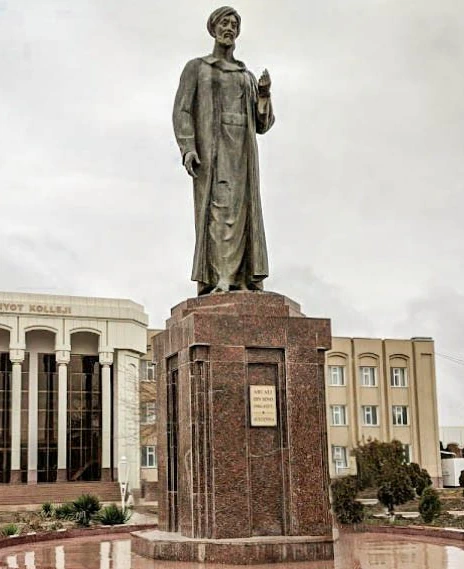
Statue of Ibn Sina - Bukhara, Uzbekistan
Bukhara is one of Uzbekistan's most deep-rooted and most enchanting cities. This ancient city, refined through the depths of history, served for centuries as one of the most important crossroads of the Silk Road a meeting point of trade, learning, and culture. It is still possible to feel the breath of the past on Bukhara's cobblestone streets, in its domed madrasas, and in its plane tree-shaded squares. The Statue of Ibn Sina, rising in this ancient city, is the most visible and most powerful symbol of Bukhara's intellectual heritage. The statue stands at the heart of the city as a silent yet enduring witness, carrying this extraordinary genius who shaped the history of medicine and philosophy forward to future generations.
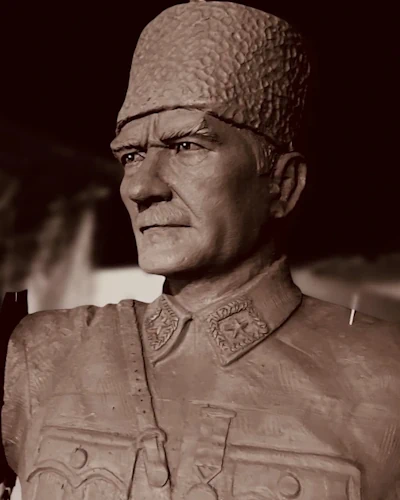
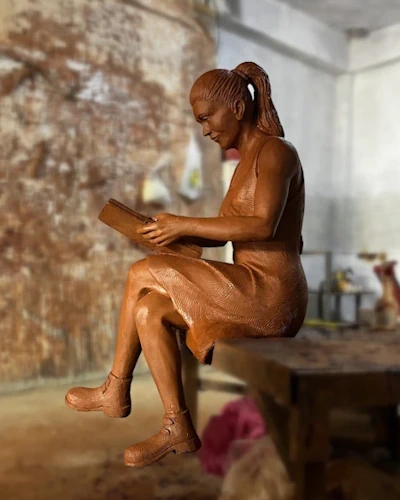
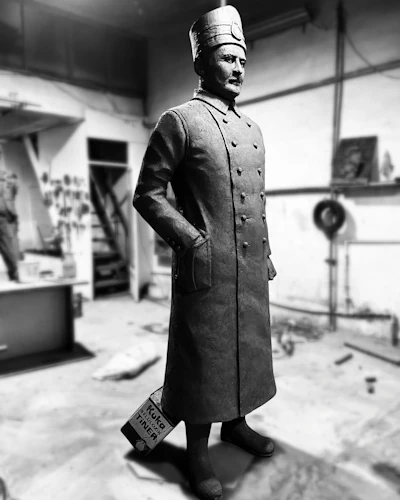
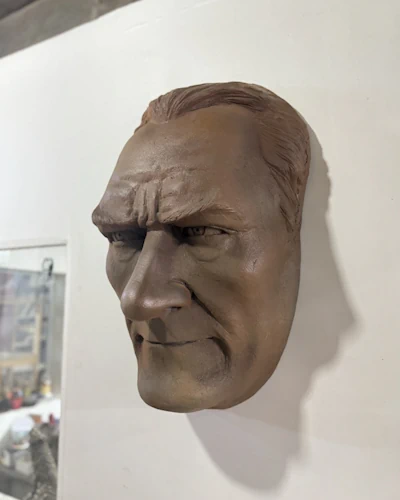
The statue of Ibn Sina is located in the historic city center of Bukhara, in one of its most tourist-dense districts. The statue depicts Ibn Sina in a dignified and contemplative posture, holding a book in his hand. This portrayal simultaneously reflects his identity as both physician and philosopher. The scale and craftsmanship of the statue leave a profound impression on visitors. Particularly when considered in harmony with Bukhara's historic fabric, the statue together with the surrounding madrasas and caravanserais creates a cohesive and compelling historical atmosphere. Inscriptions referencing Ibn Sina's works and thought appear on the statue's pedestal, lending the work both a literary and a scientific dimension.
The Location of the Statue and Its Historical Surroundings
The statue of Ibn Sina in Bukhara is situated near the city's historic center, which falls within the UNESCO World Heritage area. This location transforms the statue from a standalone monument into part of a much greater history. When considered alongside the nearby Kalon Minaret, the Mir-i Arab Madrasa, and other historic structures, the statue occupies the center of a visual and intellectual tableau belonging to the golden age of Islamic civilization. Bukhara lies very close to the city of Ibn Sina's birth, and this geographical connection lends the statue both historical authenticity and emotional depth.
The area where the statue stands draws intense interest from domestic and foreign visitors each year. Ceremonies held before the statue on Uzbekistan's independence day and other national holidays in particular demonstrate Ibn Sina's place within Uzbek national identity. For every tourist visiting Bukhara, this statue offers one of the most direct and most compelling ways of understanding the city's historical fabric. Rising in the shadow of historic bazaars and caravanserais, this monument is one of the rare works that gives tangible form to the wisdom and intellectual heritage of Silk Road civilization.
Ibn Sina: The Sultan of Medicine
The figure depicted by the statue is Abu Ali al-Husayn ibn Abd Allah ibn Sina, born in 980 in the village of Afshana within the borders of present-day Uzbekistan. Known in the Western world as Avicenna, Ibn Sina produced works in the fields of medicine, philosophy, astronomy, chemistry, and music that pushed the boundaries of his era. His work Al-Qanun fi al-Tibb the Canon of Medicine was taught as the foundational medical textbook at European universities until the 17th century. This alone is sufficient to demonstrate the magnitude of his contribution to human history. The statue in Bukhara is a unique work that brings this universal genius together with the city's historical identity and presents him anew to each generation.
Bukhara's Legacy of Learning and the Significance of the Statue
The statue of Ibn Sina makes a significant contribution to Bukhara's cultural recognition around the world. Thanks to this heritage, the city stands out on the international stage not merely as a historical destination, but as a living witness to one of humanity's greatest intellectual legacies. The Uzbek government carries out various cultural initiatives to preserve and perpetuate Ibn Sina's legacy. Annual commemoration ceremonies and scientific events reinforce the vitality of this heritage. For every traveler who visits Bukhara, the statue of Ibn Sina is far more than a tourist landmark of the city; it is one of the most powerful expressions of humanity's endless thirst for knowledge and its capacity to quench that thirst.
Date Added: