Statue of Darius the Great - Persepolis, Iran
Persepolis has gone down in history as one of the most magnificent architectural complexes of the ancient world and today ranks among Iran's most important archaeological sites. Located in Fars province, approximately 60 kilometers northeast of Shiraz, this ancient city was built in the 6th century BC as the ceremonial capital of the Persian Empire. With its massive columns, relief-covered walls, and imposing gates, Persepolis still captivates visitors to this day. The Statue of Darius the Great, rising within this magnificent site, is one of the most powerful symbols carrying the spirit of the ancient city into the modern age.
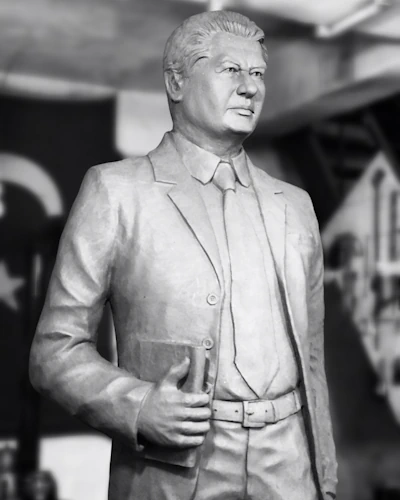
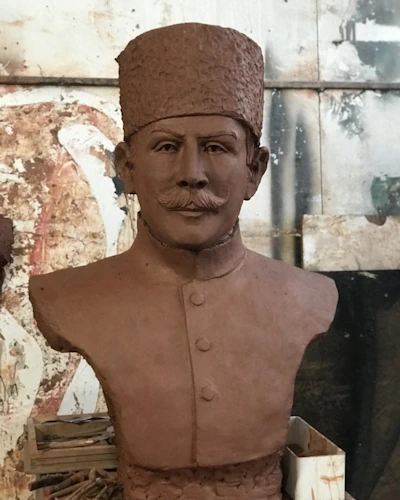
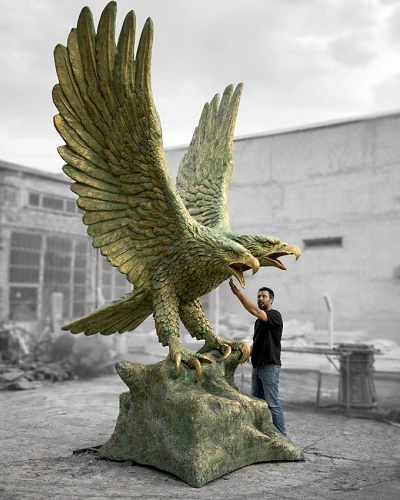
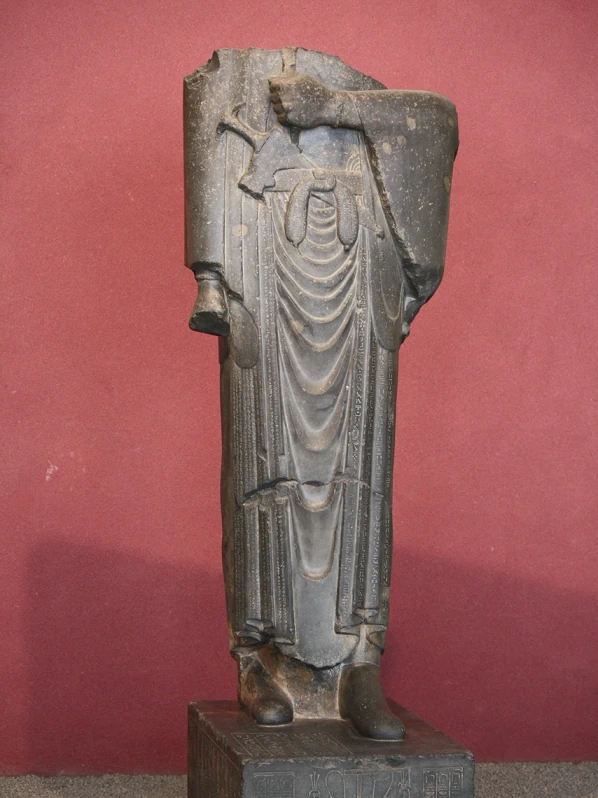
The statue of Darius occupies a remarkably impressive position within the vast archaeological site of Persepolis, standing among the ancient structures. The statue depicts Darius in imperial robes, wearing the Persian crown and holding a scepter. The posture is exceptionally dignified and authoritative; this appearance reflects both Darius's identity as a sovereign and the power and magnificence of the Persian Empire. The scale of the statue leaves a profound impression on visitors, and when considered alongside the enormous ancient ruins that surround one, it creates a sense of historical weight.
A Monument at the Heart of Persepolis
The area where the statue of Darius is positioned is one of the most heavily visited sections of Persepolis. Surrounding the statue are palace complexes, ceremonial staircases, and relief-covered walls dating to the 6th and 5th centuries BC. These reliefs depict delegations from across the empire bringing tribute to the Persian ruler, laying bare the political order of the era. The statue of Darius serves as both a physical and symbolic focal point among all these historical layers. Standing before the statue, visitors are looking not merely at a figure, but at the memory of one of the most powerful empires in human history.
Persepolis was added to the UNESCO World Heritage List in 1979 and attracts thousands of visitors from around the world each year. This international status of the site also contributes to the global recognition of the statue of Darius. The Iranian Cultural Heritage Organization carries out extensive work in preserving the site and presenting it to visitors. The area where the statue stands offers an extraordinary visual experience, particularly at sunset; the interplay of light created by the descending sun upon the ancient stones cloaks Persepolis and the statue of Darius in an almost magical atmosphere.
Darius the Great: The Emperor Carved in Stone
The figure depicted by the statue is Darius I. Having ascended to the Persian throne in 522 BC, Darius is recorded in history as the ruler who brought the empire to its peak both geographically and administratively. Darius, who personally initiated the construction of Persepolis, brought this magnificent complex to life with the aim of proclaiming the power and civilization of his empire to the world. With an empire stretching from the Indian subcontinent to the Balkans, Darius also established an effective system of governance; this system, known as the satrapy order, enabled the efficient administration of the empire's different regions. The statue at Persepolis is the most visible expression of this great emperor's legacy, both physical and symbolic.
Tourist and Cultural Value of the Statue
The statue of Darius at Persepolis is an indispensable part of one of Iran's most important cultural and tourist sites. Cultural events and commemorative ceremonies held each year continue to keep the legacy of Darius alive. For Iranians, Persepolis and the statue of Darius within it are not merely a historical site; they are among the most powerful symbols of national identity and ancient civilization. For every tourist visiting Shiraz, Persepolis is a mandatory stop, and the statue of Darius is one of the most impressive points of this vast open-air museum. That statue is the silent yet powerful witness — the spirit of an empire transformed into stone and metal — still standing thousands of years later.
Date Added: