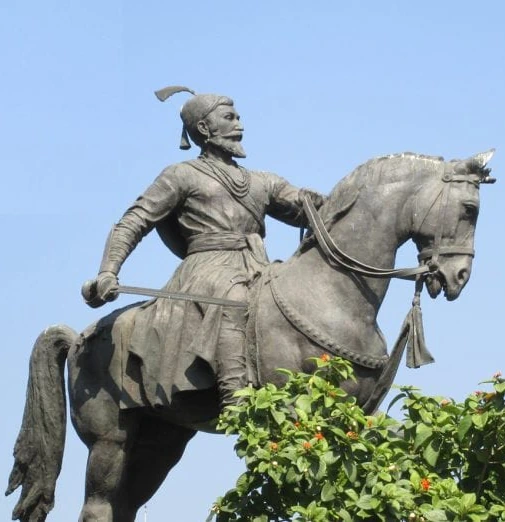
Shivaji Statue - Mumbai, India
Mumbai, India’s most populous and dynamic city, serves as a gateway to a powerful cultural heritage distilled through the depths of history. One of the most visible and striking icons of this legacy is the statue of Shivaji, dedicated to the legendary founder of the Maratha Empire, Chhatrapati Shivaji Maharaj. Located at one of Mumbai's most iconic landmarks, this monument does more than just honor the memory of a warrior king; it rises toward the sky as the most potent symbol of India's spirit of independence, Maratha pride, and national resistance. This historical presence, felt in every corner of the city, holds a deep and lasting significance for both the people of Mumbai and visitors from across the globe.
The most famous Shivaji monument in Mumbai stands near the Gateway of India, on the shores of the Arabian Sea, becoming an emblem of the city itself. Depicting Shivaji on horseback with his sword raised triumphantly, the figure commands a position that overlooks both the sea and the city simultaneously. This composition creates a powerful visual language; every eye, whether arriving by sea or land, inevitably encounters this majestic figure. The statue’s posture and expression reflect both Shivaji’s bravery on the battlefield and his visionary statesmanship.
Location and Surroundings of the Statue
The Shivaji statue is situated at a magnificent vantage point overlooking the Arabian Sea in South Mumbai, the city's most dense historical and touristic hub. Located on the same axis as the Gateway of India, the monument forms part of one of the most photographed and visited sites in the city. The area where the blue of the sea meets the noble appearance of bronze offers visitors an experience that is rich both aesthetically and historically. When considered alongside the surrounding historic architecture, waterfront promenades, and tourist attractions, the statue becomes one of the primary locations where the soul and identity of Mumbai are most intensely felt.
Despite Mumbai’s cosmopolitan structure and modern skyline, the Shivaji statue serves as a constant reference point, reminding all of the city’s deep-rooted historical identity. Thousands of Mumbai residents pass by this statue daily, and tourists view it as an indispensable part of their Mumbai itinerary. During the celebrations of Shivaji Jayanti—the anniversary of Shivaji’s birth—the crowds gathering around the monument showcase the profound and living significance of this figure in Indian society. The streets, bridges, and institutions bearing Shivaji’s name throughout Maharashtra and Mumbai clearly demonstrate how deeply this great leader is woven into daily life.
Who is Chhatrapati Shivaji Maharaj: Founder of the Maratha Empire
The figure depicted in the statue is Chhatrapati Shivaji Bhosale, born in 1630 at Shivneri Fort in Maharashtra. By laying the foundations of the Maratha Empire through his struggle against the Mughal Empire and the Deccan Sultanates—two of the greatest powers of his time—Shivaji proved himself to be not only a military genius but also a visionary far ahead of his era in administration, diplomacy, and naval warfare. He entered history as one of India's most original military strategists, repeatedly defeating much larger and better-equipped armies using swift and unexpected guerrilla-style hit-and-run tactics.
In 1674, Shivaji was officially proclaimed the ruler of the Maratha Kingdom, crowned with the title Chhatrapati—meaning "Lord of Sovereigns"—in a grand ceremony at Raigad Fort. During his reign, Shivaji approached his subjects with justice, regardless of religion, language, or culture, appointing people of various faiths to key positions in his army and administration. Known particularly for showing equal respect to Hindu temples and Islamic places of worship, Shivaji possessed a sense of tolerance and pluralism that was well ahead of his time. Passing away in 1680, Shivaji is remembered today with a reverence bordering on devotion as one of India’s national heroes.
Shivaji’s Naval Legacy and the Mumbai Connection
The placement of the Shivaji statue in Mumbai, particularly along the coast, is historically highly significant. Shivaji is recognized as one of the first Indian rulers to establish a powerful naval force in Indian history. By building forts and naval bases along the Arabian Sea coast, he created an effective line of defense against Portuguese and British naval powers, leaving a decisive mark on India’s maritime history. Therefore, positioning the statue at a point facing the sea is not merely an aesthetic choice; it is a conscious and meaningful tribute to Shivaji’s maritime legacy. It is possible to see the traces of the naval strategy established by Shivaji in the historical background of Mumbai’s modern cosmopolitan port.
Cultural Heritage and Touristic Value
The Shivaji statue is one of Mumbai’s and India’s most internationally recognized cultural and historical landmarks. Each year, millions of domestic and international tourists visit South Mumbai to see this statue, making the area around the Gateway of India one of the city's busiest tourism destinations. The Government of India and the state of Maharashtra undertake extensive cultural initiatives to keep Shivaji’s legacy alive. Shivaji Jayanti, celebrated every February, is observed with great enthusiasm throughout Maharashtra, with ceremonies and events around the statue bringing tens of thousands of people together.
For every traveler visiting Mumbai, the Shivaji statue is more than just a stop on a tourist route; it is a moment of deep contact with India’s spirit of independence, its sense of justice, and its tradition of historical resistance. That statue is a unique masterpiece that has cast a warrior’s courage, a ruler’s justice, and a people’s longing for freedom into bronze, continuing to live beyond the constraints of time.
Date Added: