Samori Touré Statue - Guinea - Conakry
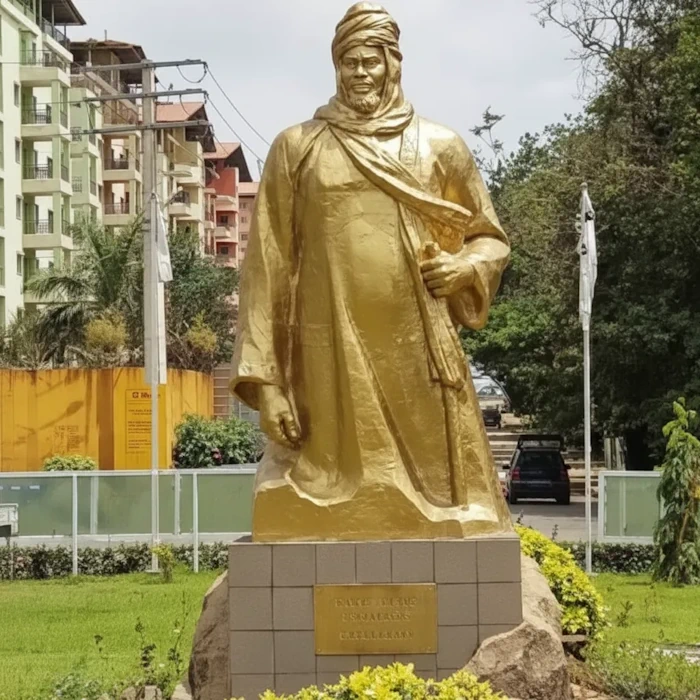
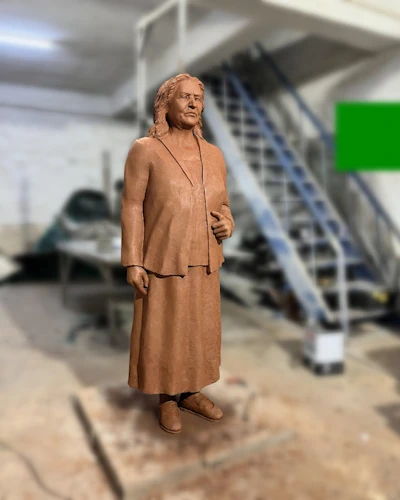
Conakry, the capital of Guinea, the green heart of West Africa, is not only a modern port city located on the shores of the Atlantic Ocean but also a living witness to the epic struggles against colonialism and the spirit of national independence. One of the most important figures of this struggle is Samori Toure, the founder and leader of the Wassoulou Empire, who resisted French colonialism for 16 years. In Conakry, a magnificent statue honoring this great resistance fighter rises as an integral part of the city's cultural and historical identity.
Samori Toure was a leader who stood out with his military and political genius, known for his struggle against French colonial forces in West Africa in the late 19th century. His leadership not only established an empire but also became a symbol of African peoples' resistance against colonialism. The Statue of Samori Toure in Conakry is a powerful expression of this spirit of resistance, the quest for freedom, and the will of African peoples to determine their own destiny. The Statue stands in the center of the city as a touchstone, reminding us of the challenging struggles of the past and inspiring future generations. For the people of Guinea, Samori Toure is not just a historical figure but also a living symbol of national pride and the spirit of independence.
Samori Toure: The Birth of an Empire and Military Genius
Samori Toure was born between approximately 1830 and 1835 in Sanankoro, located in present-day Guinea. The hardships he experienced at a young age and the enslavement of his family pushed him toward becoming a powerful warrior and leader. Thanks to his own military skills and charismatic personality, he quickly organized a small group of warriors and laid the foundations of the Wassoulou Empire. Officially established in 1878, the Wassoulou Empire expanded rapidly to cover a vast geography including parts of present-day Guinea, Mali, Ivory Coast, and Sierra Leone. While establishing this empire, Samori Toure used not only his military power but also his diplomatic skills and ability to ensure unity among local peoples.
Samori Toure's military genius was clearly demonstrated especially in his struggle against French colonial forces. Being called the "Black Napoleon" by the French is an indication of the respect felt for his military strategies and leadership qualities. He modernized his own army, established workshops to produce firearms, and even produced his own gunpowder. This was a rare situation among leaders resisting colonial forces in Africa at that time. Samori Toure also masterfully used the "scorched earth" tactic, slowing down the French advance and causing them great losses. This tactic involved destroying resources and evacuating settlements to prevent the enemy's progress. The Statue of Samori Toure in Conakry is a concrete expression of this military genius and the honorable struggle against colonialism.
Modernization and Strategy: Africa Producing Its Own Weapons
One of the most important features that distinguished Samori Toure's resistance from others was the importance he gave to modernization and strategic thinking. Realizing the technological superiority of the French, Samori made great efforts to train and equip his own army according to European standards. By establishing his own weapon workshops, he produced firearms such as rifles and cannons, and even started manufacturing gunpowder. This was a success rarely seen among leaders resisting colonial forces in Africa at that time. Samori also gave great importance to military intelligence and established an extensive network of spies to track the movements of the French.
His strategic genius showed itself not only in the military field but also in the political and economic fields. To prevent the French advance, he changed trade routes, found new markets, and tried to strengthen his own economy. Samori Toure also established a strong central administration, placing the Wassoulou Empire on solid foundations. This shows that he was not just a warrior, but also a statesman and a visionary leader. The Statue of Samori Toure in Conakry is a concrete symbol of this modernization effort, strategic thinking, and Africa's desire to determine its own destiny. The statue emphasizes Samori's foresight and leadership qualities.
His Legacy in Conakry: Equestrian Statue, Mausoleum, and Military Headquarters
Guinea preserves the legacy of Samori Toure with great care. In the capital, Conakry, there are various monuments and institutions honoring this great leader. The Statue of Samori Toure, located at a roundabout near the city center, is one of his best-known monuments. Made in 2000 by North Korean artists in memory of the 100th anniversary of Samori Toure's death, this statue depicts him on horseback, in traditional warrior clothes and with a turban on his head, holding a sword or spear in one hand. This magnificent statue strongly reflects Samori's military power, leadership qualities, and stance against colonialism.
Samori Toure's remains were later brought to Guinea from Gabon, where he was taken prisoner, and buried in the Camayanne Mausoleum in the garden of the Grand Mosque of Conakry. This mausoleum is the final resting place of Samori Toure as well as other national heroes of Guinea. The Camayanne Mausoleum is a place of respect and commemoration for the Guinean people. Additionally, the main military headquarters and the Ministry of Defense building in Conakry bear the name "Camp Samory Touré." This is an indication of Samori Toure's military legacy and his importance in national defense. These monuments and institutions in Conakry show that Samori Toure is more than just a historical figure; he is an important part of modern Guinean identity and national pride.
Date Added: