Saladin Statue - Jordan Amman
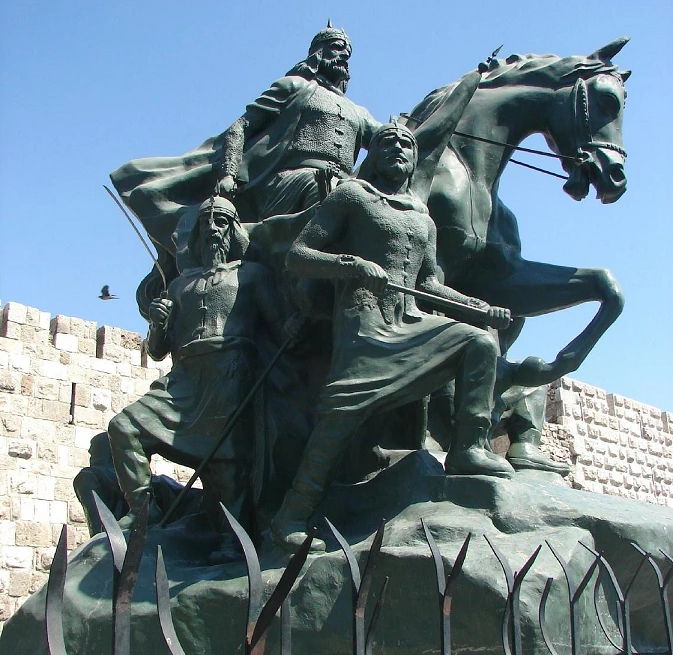
In Amman, the capital of Jordan an ancient city where Roman ruins coexist alongside modern skyscrapers the statue of one of history's greatest Muslim commanders stands tall: Saladin. Known in the pages of history as "the Liberator of Jerusalem," this legendary leader left his mark on world history not only as a military genius but also through his sense of justice, his understanding of compassion, and the respect he showed toward different faiths. The Saladin Statue in Amman stands firm at one of the city's busiest points as a powerful symbol that etches this multi-layered legacy into the heart of Jordan. Saladin, who left deep impressions on the collective memory of the Arab and Islamic world, continues to this day to be remembered with great reverence across a wide geography stretching from Jordan to Syria, from Egypt to Iraq. Through his statue, Amman keeps this legacy alive for both its own people and every visitor who comes to the city.
Saladin's Life and His Place in History
Saladin was born in 1137 in Tikrit, in present-day Iraq. Coming from a Kurdish family, Saladin completed his education and military training in Syria. Having built a brilliant career in the service of the Zengid dynasty, he gradually expanded his own sphere of power and founded the Ayyubid dynasty in Egypt in 1171. Bringing unity to a vast geography encompassing Egypt, Syria, and Mesopotamia, Saladin succeeded in uniting the Muslim world under one banner against the Crusader presence. This political and military unification formed the cornerstone of his historical mission.
Saladin's most glorious moment in history was the Battle of Hattin in 1187 and the subsequent conquest of Jerusalem. Having inflicted a devastating defeat on the Crusader army at Hattin, Saladin recaptured Jerusalem from the Crusaders that same year. The significance of this conquest in world history is beyond dispute; yet what set Saladin apart from other conquerors was not his military success alone. The mercy he showed to the Christian inhabitants of Jerusalem after its conquest, and the right to safe passage he granted them, caused his name to be remembered with respect for centuries in both the Eastern and Western worlds. This conduct praised even in Crusader chronicles went down in history as the most powerful testament to his moral greatness.
Amman's Historical Identity and the Location of the Statue
Amman is one of the Middle East's capitals with the richest historical layers. Roman-era theater and temple ruins, Ottoman heritage structures, and the dynamic fabric of the modern city all interweave in this city. Known for being built on seven hills, Amman is home to the Saladin Statue at one of the city's most visible and accessible points. The historic structures near the statue and the wide square surrounding it offer visitors both a historical and a contemporary experience.
Jordan, as one of the region's most stable and open societies, has throughout history stood at the crossroads of different civilizations. Within this cosmopolitan identity, the Saladin Statue represents not merely a Muslim commander but a universal figure embodying justice and dialogue between different faiths. This layer of meaning places the statue in deep harmony with Jordan's pluralistic and conciliatory national identity.
Artistic and Symbolic Features of the Statue
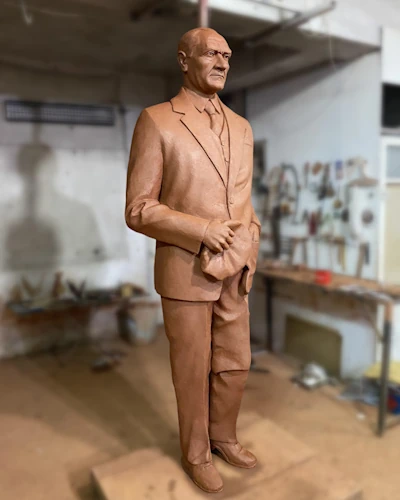
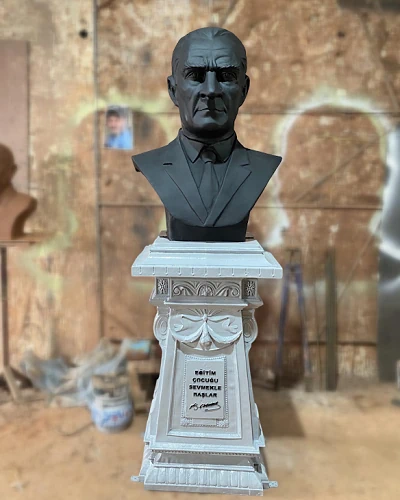
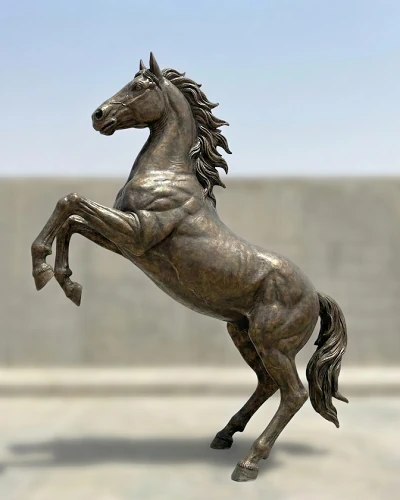
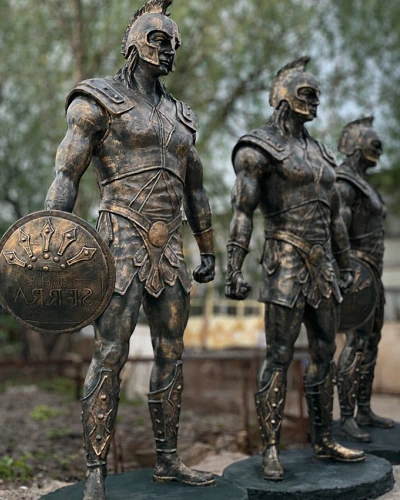
The Saladin Statue was designed with a powerful aesthetic sensibility drawing on the Arab and Islamic artistic traditions of the era. Depicted on horseback, Saladin surveys the horizon with a sword in hand and a resolute gaze, as if issuing a challenge. This posture powerfully conveys the message that he was not merely a warrior but a leader representing justice and honor. The inscriptions on the base provide information about the turning points of his life and the conquest of Jerusalem. The anatomical details and proportions of the figure, crafted in bronze, create an effect that is both realistic and monumental.
Its Value in Terms of Tourism and Cultural Heritage
Amman is one of the Middle East's most important tourist destinations, welcoming millions of visitors every year. As the starting point of world-famous routes such as Petra, Wadi Rum, and the Dead Sea, the Saladin Statue in Amman forms an important stop along the city's historical tourism trail. Particularly for visitors with an interest in Islamic history and the Crusades era, the statue offers an exceptionally meaningful and impressive experience.
Date Added: