Pablo Neruda Statue - Chile - Santiago
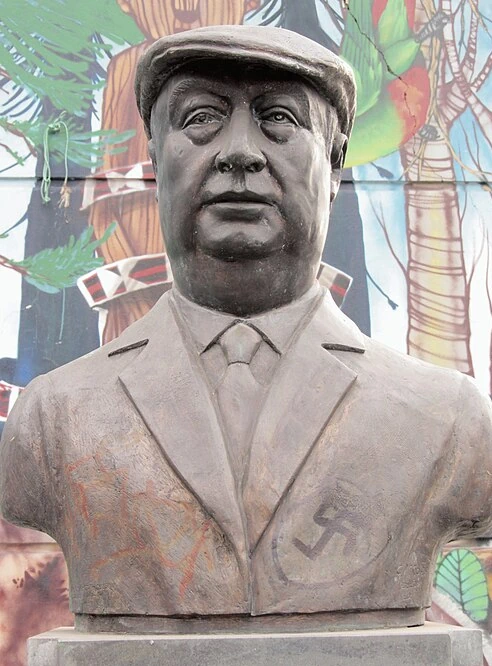
In Santiago, the capital of Chile—nestled under the shadow of the Andes' snow-capped peaks and woven into the cultural fabric of one of Latin America's most dynamic metropolises—stands the statue of one of the world's greatest poets: Pablo Neruda. A Nobel Laureate in Literature, this legendary figure was far more than a literary genius of verse; he was the voice of his people, a political activist, and the conscience of Latin America. The Statue of Pablo Neruda in Santiago etches this rich, multi-layered legacy into the heart of the city, serving as a landmark of profound significance for both Chileans and international visitors alike. Today, Neruda’s poems continue to be read across the globe, celebrated as some of the most beautiful lines ever written for a lover, and remain a powerful anthem for freedom struggles everywhere.
Who is Pablo Neruda: His Life
Pablo Neruda was born in 1904 in the town of Parral, Chile. Born Ricardo Eliécer Neftalí Reyes Basoalto, he adopted the pen name of the Czech writer Jan Neruda at a young age to hide his passion for poetry from his family. Having begun writing at the age of ten, Neruda emerged as one of the brightest stars of Latin American literature by the age of twenty with the publication of "Twenty Love Poems and a Song of Despair." This work remains one of the most widely read collections of poetry in world literature today.
Neruda’s literary journey extended far beyond love poems. During the years of the Spanish Civil War and World War II, the political poems he penned transformed him from a mere man of letters into a formidable political voice. His membership in the Communist Party and his deep friendship with Salvador Allende were pivotal in shaping his political identity. Awarded the Nobel Prize in Literature in 1971, Neruda used his acceptance speech to powerfully articulate the debt poetry owes to humanity and the social responsibility of the poet. Passing away shortly after the dark era triggered by Augusto Pinochet’s 1973 coup, Neruda’s death marked one of the most tragic chapters in Chilean history.
The Statue's Location and Santiago’s Cultural Fabric
The Pablo Neruda Statue is situated in one of Santiago’s most vibrant and culturally rich districts. In an area defined by art galleries, literary cafes, and historic architecture, the statue serves as a primary destination for locals and literature enthusiasts from around the world. The Bellavista neighborhood and its colorful urban tapestry provide a unique atmosphere for the monument. Since La Chascona—the house Neruda built for himself, now a museum—is also located in this district, the statue and the house together form the most powerful symbolic pillars of Neruda’s legacy in Santiago.
Santiago stands as one of Latin America’s most cosmopolitan and culturally diverse capitals. Framed by the magnificent silhouette of the Andes, the Pablo Neruda Statue pays homage not just to a poet, but to a universal heritage dedicated to freedom, love, and the deepest human emotions. In the evenings, the area surrounding the statue transforms into a lively public space hosting poetry readings, cultural events, and artistic gatherings.
Artistic and Symbolic Features of the Statue
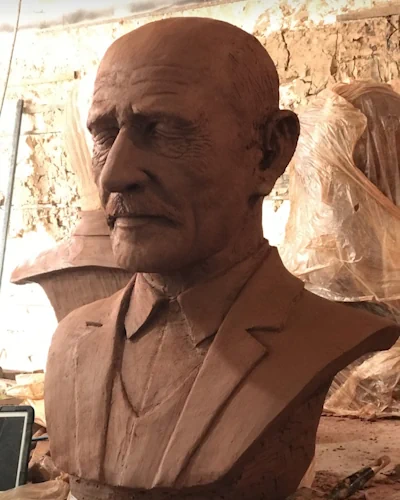
The Pablo Neruda Statue masterfully captures the poet’s iconic presence and personality. Depicted with a thoughtful and introspective expression, Neruda symbolizes both the profound intellectual and the warm, accessible voice of the people. The figure’s posture strikes a delicate yet powerful balance, conveying a sense of poetic serenity, intellectual depth, and an infinite curiosity about humanity. Inscriptions on the pedestal offer glimpses of his most beloved verses and the turning points of his life. The overall design commemorates Neruda not only as a literary giant but as a folk hero and a universal voice.
The symbolic power of the statue stems not just from its physical attributes, but from Neruda’s deep cultural and emotional resonance within Chilean society. His poetry lives on not only in literature books but in the daily lives of Chileans—in their weddings, their mourning, and their struggles. Standing before this statue means more than just honoring a poet; it is an opportunity to reconnect with that unique voice that articulated the most universal emotions of mankind.
Importance for Tourism and Cultural Heritage
Santiago is one of Latin America’s premier tourist destinations, welcoming millions of visitors each year. Along with his homes—La Chascona, Isla Negra, and La Sebastiana in Valparaíso—Neruda’s legacy forms one of Chile’s most significant cultural tourism routes. As a key stop on this trail, the Pablo Neruda Statue offers a deeply meaningful and moving experience, particularly for those interested in the world of literature and Latin American culture. Commemorative ceremonies held annually on the anniversaries of Neruda’s birth and death turn the statue into a living venue for cultural engagement. Blending Neruda’s universal poetic heritage with the unique cultural atmosphere of Santiago, this monument leaves a profound and lasting impression on every traveler who visits the city.
Date Added: