National Palace Museum - Taipei, Taiwan
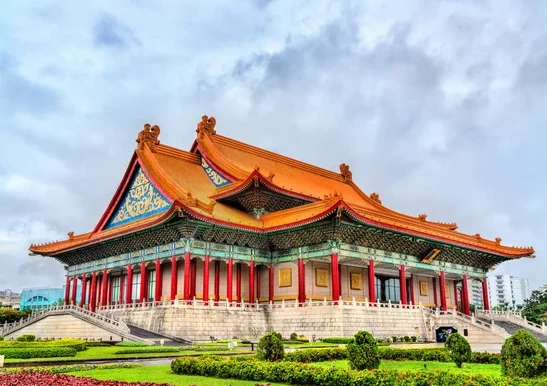
In the north of Taipei, the capital of Taiwan, leaning against the green hills of the Shilin district and housing the most magnificent artistic accumulation of the Chinese imperial tradition, a museum continues to enchant visitors from every corner of the world: the National Palace Museum. With a collection of over 700,000 artifacts, the museum houses one of the most comprehensive and valuable collections of Chinese art and cultural history. This extraordinary accumulation, stretching from the Neolithic period to the 20th century, consists of the surviving legacy of the imperial palace collections of multiple Chinese dynasties. In this quiet corner of Taipei, walking among centuries-old artifacts feels truly like stepping outside of time.
History of the Collection and How It Came to Taipei
The collection of the National Palace Museum consists of artworks, manuscripts, and historical documents accumulated by Chinese emperors over centuries. These artifacts, kept in the Forbidden City in Beijing during the Song, Yuan, Ming, and Qing dynasties, were first moved to Nanjing and then to various other locations during the political upheavals of the first half of the 20th century. In the final stage of the Chinese Civil War, the Nationalist government led by Chiang Kai-shek transferred a significant portion of this collection to Taiwan between 1948 and 1949. This historic movement deeply shaped both the fate of the collection and the museum's current political significance. The opening of the National Palace Museum in Taipei took place in 1965.
The fact that the collection is split with artifacts in mainland China remains a sensitive diplomatic and cultural topic today. The Palace Museum in Beijing and the National Palace Museum in Taipei house two separate parts of the same history preserved in two different geographies. This situation adds a distinct meaning to both museums; for one, it represents a loss, and for the other, a responsibility.
Highlighted Works of the Collection
Among the most famous works of the National Palace Museum, a few objects stand out as icons of Chinese art history. The Jadeite Cabbage, dating back to the Qing dynasty and renowned for its extraordinary craftsmanship, is the most photographed work in the museum. This small but incredibly detailed jade carving, along with the two insects perched upon it, represents the pinnacle of Chinese jade art. The piece known as the Meat-Shaped Stone, made of jasper, is another iconic object of the museum; this piece mimics the appearance of real braised meat so convincingly that most visitors mistake it for the real thing at first glance. These two works are just two among the museum's tens of thousands of artifacts; yet, on their own, they possess the magnetism to draw visitors from all over the world.
Architecture and Surroundings of the Museum
Located about 20 minutes away from Taipei city center, the museum sits in an extremely peaceful setting alongside the neighboring Zhishan Garden. The building, inspired by traditional Chinese palace architecture, is in visual harmony with the surrounding hills with its dark green roof and white facade. The Zhishan Garden near the museum offers a serene walking and relaxation area for both before and after the visit. The museum complex at the North Branch was designed to be integrated with this garden, offering visitors an open-air exhibition experience as well.
Importance in Terms of Tourism and Cultural Heritage
The National Palace Museum is arguably Taiwan's most important tourist destination. Along with Taiwan's iconic routes like Taipei 101, Jiufen, and Taroko Gorge, the museum is at the top of the list for almost every tourist visiting the country. For visitors interested in Chinese art, imperial history, and East Asian civilizations, this museum offers an experience of a quality and scale that cannot be found anywhere else in the world. Given the size of the collection, it is impossible to see it all in a single visit; many visitors return over the years, discovering different works each time. This inexhaustible richness truly makes the National Palace Museum one of the world's greatest cultural treasures.
Date Added: