Manuel Belgrano Statue - Argentina Buenos Aires
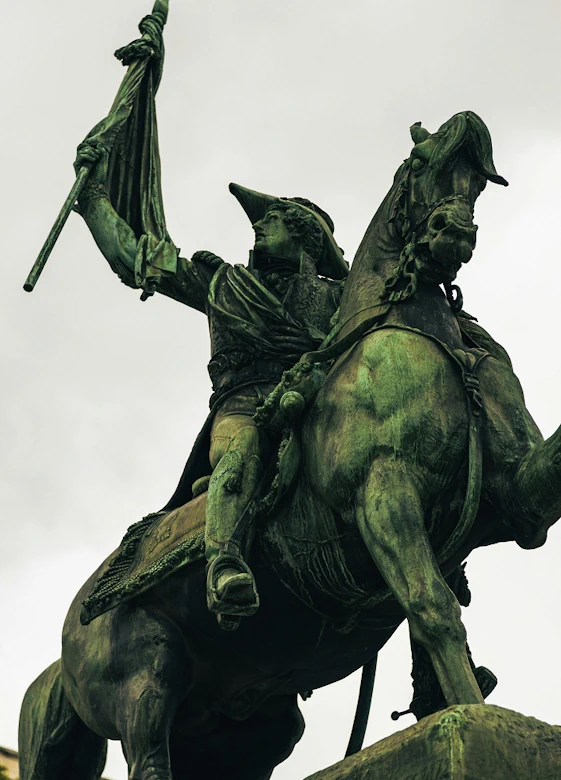
In Buenos Aires, the capital of Argentina—perched along the banks of the Río de la Plata and nestled within the beautiful landscape of one of Latin America's most cosmopolitan cities—stands the statue of one of the most significant symbols of Argentine national independence: Manuel Belgrano. The creator of the Argentine national flag and one of the most charismatic commanders of the wars of independence, Belgrano was not merely a military leader; he passed into history as an educator, an economist, and one of the most vital founding fathers of the modern Argentine state. The Statue of Manuel Belgrano in Buenos Aires etches this rich and multi-dimensional legacy into one of the city's most prestigious areas, serving as a symbolic landmark of profound meaning for both Argentines and international visitors alike. Today, Belgrano’s name and the flag he created continue to be among the most powerful national symbols of Argentina.
Who is Manuel Belgrano: A Brief Life Story
Manuel Belgrano was born in 1770 in Buenos Aires. Having received his legal education in Spain, Belgrano was deeply influenced by Enlightenment thought and ideas of independence during his years in Europe. The economic theories of Adam Smith and the physiocrats became primary sources that shaped his intellectual world. Upon returning to Buenos Aires, Belgrano took on important roles in commerce while also standing out for his reformist ideas in education and economics. With the onset of the independence movement against Spain in 1810, he demonstrated his military and political leadership.
Belgrano’s greatest military achievements in the struggle for independence were the Battles of Tucumán and Salta. These victories, won in 1812 and 1813, pushed Spanish forces back from Northern Argentina and permanently altered the course of the independence movement. However, Belgrano’s most enduring legacy, beyond his military triumphs, is the Argentine national flag he created in 1812. Composed of light blue and white, this flag still flies across the world today as the strongest symbol of Argentine national identity. Belgrano passed away in Buenos Aires in 1820; yet, the legacy he left behind continues to live in every corner of Argentina.
The Statue's Location and the Historical Fabric of Buenos Aires
The Statue of Manuel Belgrano rises in one of the most central and symbolic areas of Buenos Aires. With its location near Plaza de Mayo, the statue marks a point where Argentina’s political and historical memory is most intensely felt. Surrounded by iconic structures such as the Casa Rosada and the Buenos Aires Cathedral, this area is a unique public space that has set the stage for the most important events in Argentine history. This strategic positioning transforms the statue from a mere tourist attraction into an inseparable part of Buenos Aires’ historical and political narrative.
Buenos Aires stands out as one of Latin America's most cosmopolitan and culturally rich capitals. In this city, where European architecture blends with Latin American culture, the Statue of Manuel Belgrano shines as a symbolic landmark representing the spirit of independence and national identity. Plaza de Mayo, which surrounds the statue, has witnessed the most significant political and social events throughout history and remains one of the most vibrant spaces of the country’s collective memory today.
Artistic and Symbolic Features of the Statue
The Statue of Manuel Belgrano draws attention as one of the most impressive examples of Argentine sculptural art. Depicted in military uniform with the Argentine flag, Belgrano reflects both his military leadership and his role as the creator of national symbols. The figure's posture carries a powerful expression of determination, vision, and deep devotion to his people. Inscriptions on the pedestal provide insights into the turning points of his life and Argentina’s epic journey toward independence. The overall design creates a monumental impact while highlighting Belgrano’s dual identity as both a warrior and an intellectual.
The symbolic power of the statue stems not only from its physical attributes but also from Belgrano’s unique place in the collective memory of Argentine society. The sight of the flag he created waving in the sky for millions of Argentines every day is the strongest reflection of this symbolic weight in daily life. Standing before this statue means touching the very essence of Argentina’s struggle for independence and its national identity.
Importance for Tourism and Cultural Heritage
Buenos Aires is one of Latin America’s premier tourist destinations, hosting millions of visitors every year. Alongside iconic routes like Plaza de Mayo, Casa Rosada, and San Telmo, the Statue of Manuel Belgrano constitutes one of the most important stops on the city’s historical tourism trail. For visitors particularly interested in Latin American independence history and Argentine culture, the statue offers a deeply meaningful and moving experience. The ceremonies held in this area every year during the June 20th Flag Day celebrations transform the statue into a living venue for national events.
Date Added: